6 minutes ago
Sʹka reconciliation with Serbia without mutual recognition, apology

Periskopi(8 years ago)
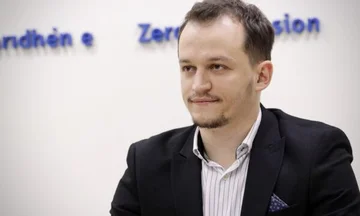
(8 years ago)Despite the outcome of talks in Brussels, Kosovo and Serbia will find it difficult to complete the reconciliation process between the two states. This is about the fact that both Kosovo and Serbia have failed to deal seriously with war crimes, as well as the dawning of the fate of missing persons. In addition, Bekim Blakaj [...]
This is about the fact that both Kosovo and Serbia have failed to deal seriously with war crimes, as well as the dawning of the fate of missing persons.
In addition, Bekim Blakaj from the Fund for Humanitarian Law in Kosovo says that one cannot talk about reconciliation, without apology and mutual recognition.
He says reconciliation is an extremely long process and does not conclude with a formal agreement or declaration.
“Dialog, the process of dialogue, would help the reconciliation process, because in the first place we cannot speak of possible reconciliation if the two sides -- Belgrade and Pristina -- do not communicate or know each other. So there can't be any reconciliation, says Blakaj for Radio Free Europe.
Kosovo's president, Hashim Thaci, long ago initiated the establishment of the Commission for Truth and Recipience.
Although the formation of this commission is seen as the possibility of opening the debate and contributing to the reconciliation process, the commission has not yet been functional.
President Hashim Thaci's “Nism may contribute to reconciliation between Kosovo and Serbia, but it is not enough. I think both sides, in terms of realising certain rights, especially the victims of war. More war crimes materials must be prosecuted, more reparation or compensation to victims of war and their families. There must be apology. All these can jointly contribute to the achievement of a reconciliation between Serbia and Kosovo”, Blakaj points out.
In both Kosovo and Serbia, according to Blakaj, little has been done in uncovering war crimes. Of the last war in Kosovo, about 1600 people remain missing.
University lawmaker Abbit Hoxha thinks reconciliation will be difficult even for the fact that the two countries have built conflicting narrativa.
For the practical reconciliation we are talking about, according to the ground, there must be much more action. First the political need and political opportunity will include all the stages of conflict, should include all consensuss of conflict. We're talking about economic reparations, we're talking about family dignity reparations that have been killed by members, are exposed to violence and others, we're talking about economic reparations of state resources, we're talking about finding people found so far. We're talking about all the problems that have resulted from the conflict with Serbia, which could take decades”, Hoxha estimates.
In the last war in Kosovo, more than 13 thousand people -- most of them civilians -- were killed, while hundreds of thousands of homes were destroyed.
Kosovo and Serbia for years have launched a process of talks in Brussels through which the parties are expected to normalise their reports.
But despite the fact that over the years, agreements were reached that were envisioned to facilitate the lives of citizens, Serbia and Kosovo have failed to fully implement the agreements.
Currently, Kosovo and Serbia have entered what is described as the final phase of the dialogue, where a final agreement is expected to mean normalising the reports between the two countries is expected.