8 minutes ago
The principal reasons for protesting

Periskopi(8 years ago)
(8 years ago)In the event of the student's energetic and creative protests in Albania, where it is evident that power is afraid and willing to negotiate its position, we in Kosovo, although we have the tradition of political motives, we hardly gather for social issues. But why is protest so fundamental for rights [...]
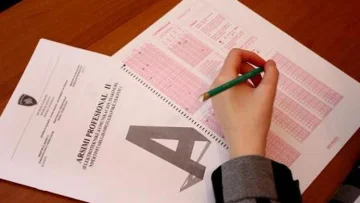
In the event of the student's energetic and creative protests in Albania, where it is evident that power is afraid and willing to negotiate its position, we in Kosovo, although we have the tradition of political motives, we hardly gather for social issues.
But why is the protest so fundamental to human rights and democratic society? The following are six basic reasons for protecting us, and we exercise the right to protest.
1. People Understand That They Are Not Alone
One way he keeps his power is by creating dysces and dominates the views of the dissidents expelled [Koment of translators: Think of catching someone who believes that Kosovo should not follow the Euro-Atlantic path. If people think differently, they may feel isolated, marginalized, and powerless. Public demonstrations and Marches empower people by telling them that there are thousands of others who think the same thing.
2. Protesting, we change the agenda and start the debate.
Those in power may try to ignore us and ignore us, but if there are enough protesters, then they will feel the need to explain why protesters are wrong. That's when the debate starts and the argument becomes crazy.
3. In an electoral/election democracy, protesters offer an essential voice to minority groups
Classical theorists of representative/resensant governments recognise the universal right to vote and the threat that majority voters impose <x0). The majority's <x0). Protesters are vital to correcting the majority leadership.
4. Sometimes protesters win!
If there are enough protesters, the policies of those in power could become dysfunctional. When the United Kingdom government [had] presented the 1990 flat tax survey, many people protested and refused to pay the tax. It became clear that the prosecution of those who were refusing to pay had become impossible, and therefore we had a threat to a chaotic situation, which led the government to withdraw the tax.
5. Sometimes protesters win in ways they have not even predicted or planned
Political events are unpredictable. The anti-sea rocket protests at Greenham Common in the UK in the '80s seemed to fail when the missiles were deployed, however, but protests forced the US and UK to deploy the missiles only because the Soviet Union was doing it. [ Footnote] BRSS. When Mikhail Gorbachev came to power in the USSR and said he was willing to make arrangements to withdraw the missiles, Western governments could not withdraw what they had said. Even their missiles withdrew, and today Greenham Common is a public park.
6. Sometimes protesters win, but this requires a generation or more than that
At times, it seems that the protest is going nowhere; that those in power are left in a fixed mind and cannot change their thinking. But then a new generation can come out, uncounted with this mind, and see things the same as protesters from the previous generation. See the sudden change in government attitudes toward gays throughout generations. /Opendemocrace/Periscope