15 hours ago
Children don't get cold but they get viruses

Periskopi(8 years ago)
(8 years ago)We think kids get sick, get cooled by low temperatures, but it's not. Children are not cold, but they are present in their environments. Not the cold, but the viruses are not the cold that causes the cold and most common seasonal diseases, such as the flu. In fact, [...]
We think kids get sick, get cooled by low temperatures, but it's not. Children are not cold, but they are present in their environments.
Not the cold, but the viruses
It is not the cold that causes the cold and most common seasonal diseases, such as the flu. In fact, in most cases it is a viral infection, or if an important thermal stress, such as the transition from a very hot environment to a very cold one without the adaptation of clothing, can be a favourable condition. This does not mean that the cold of the outside environment is the real cause of colding. Even playing out on cold days is not dangerous to your health. The transmission of viruses and bacteria is, in fact, harder abroad, while it is much easier in closed environments.
Hygiene Protects Children From Cold
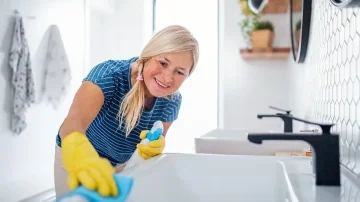
Hygiene is useful in preventing cooling. It is important for everyone to have the habit of washing his hands well, often with soap and water. It is also helpful to clean horizontal surfaces frequently. If your child is newborn, avoid contact with a person affected by the virosis.
Should we use antibiotics to treat colds?
In the vast majority of cases, cold passes itself and does not need therapy, except for proper hygiene and perhaps several days of rest. Medications, on the other hand, serve only to keep symptoms under control but have no action. Antibiotics have, above all, no use in viral infections, but abuse favors the growth of resistant bacteria. They are used only in the case of complications, such as bronze, medium otis, and sinus, of bacterial origin. However, they must be described by the pediatric, precise doses, and sufficient time.
Hump fluids
Taking fluids through your nose is far more effective than taking drugs. There are different methods of napping. The simplest is to use a syringe without a needle at five or ten feet [10 m / 20 m], depending on the child's age. The position may be extended on one side, for babies, with their heads bowed forward and a little backed up, for slightly older children, and for adults.
cold is normal
Within certain limits is normal and also beneficial for a child to become sick. The immune system must learn to recognize viruses and bacteria.