6 hours ago
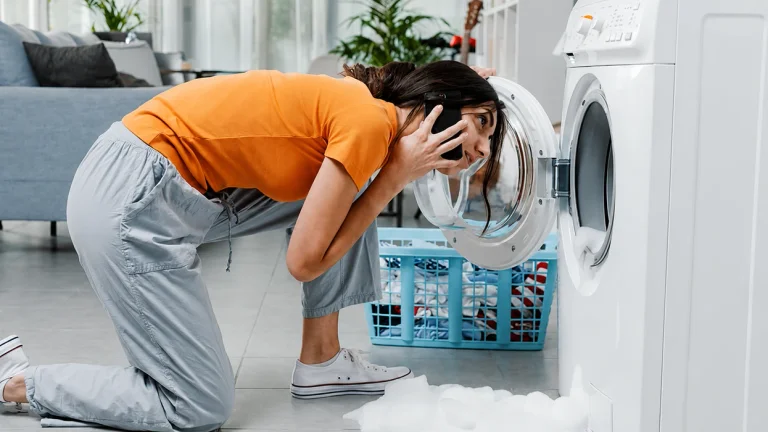
Open the laundry and smell it: If you feel that smell, it's time for deep cleansing
Periskopi(6 hours ago)
(6 hours ago)The heavy smell of wet towels or closed cellars may indicate that moisture has been collected inside the device, the remains of the detergent, mold, and bacteria
The unpleasant smell from the tailor is most often seen because of the remaining moisture, the residues of the detergent, and the development of mold and bacteria. With some simple customs, the laundry may remain clean, odorless, while after washing clothes are truly refreshing.
There are not many more disappointing things than when you extract freshly washed clothes and, instead of the smell of cleanliness, feel a heavy, standing odor. We often feel that the problem is in the detergent, or tamer, but the cause may be the very device to clean the clothes.
Clothing is often used, and water, steam, degenerators, tamers, and fine uncleanness from clothing pass through it. When these wastes are combined with moisture and closed space, suitable conditions for mold and bacteria are created.
Why does the laundry start to stink
According to mold and air quality expert Michael Rubino, the most frequent cause is moisture that remains trapped inside the device. In time, fisher, tamer, fat from clothing, stones, and other uncleanness are collected.
The smell of wet basements or fresh towels is often the first sign that microorganisms are developing inside the laundry.
In front - filled laundry, the problem is even more common because the tire holds water, fiber, and dirt, transmits Telegragraphy.
shutterstock
Habits That exacerbate the Problem
Many unconsciously make the same mistakes: Wet clothes remain in the pot for hours, the door closes immediately after the bath, and the explosive drawer remains wet.
Rubino warns that mold can begin to develop within 24 to 48 hours if there is enough moisture. Regular maintenance, therefore, is not just aesthetic matter but a hygienic.
What to Clean
If the unpleasant smell has already appeared, the superficial eraser is usually not enough. All laundry should be thoroughly cleaned by following the manufacturer's instructions.
Special attention is given to the filter of the water dump, the explosive drawer, the tire around the door, the interior of the pot, and the surfaces around the device, especially if the room is wet.
After cleaning, activate the self-cleaning program, if the device is available. Otherwise, release the longer program at the highest temperature, without clothing inside, with a maintenance product recommended by the manufacturer.
A Simple Custom Chooses Much
After each washing, the door of the laundry, and the degenerator's drawer must be left open so that the inside will be completely dried. So humidity does not remain blocked, and mold has less conditions to develop.
Also, get your wet clothes out right after the program ends instead of staying in the pot for hours.
shutterstock
The Tire Seeks Special Care
After washing, it is only seconds before a dry rag can wash the tire around the door. Water, detergents, and fine fibers from clothing often remain in its folds.
If you cannot do so after every bath, do it at least once a week. While the deepest cleaning of the entire laundry is recommended once a month or once a few months, depending on the use.
And the detector matters.
Using the wrong detector or amount greater than recommended may leave more remains on the device. So use a device that adapts to a laundry model.
If the device is located in the basement or in a high - damp area, it is wise to keep the moisture of the air between 35 and 50 percent to reduce the risk of mold.
The smell of clothing starts with the clean laundry
The unpleasant smell does not rise suddenly. It is usually the result of repeated customs - the closed door, wet clothes in the pot, or unaccomplished detector drawer.
The regular cleaning of the filter, the pot, and the gomine, along with the ventilation after each bath, is sufficient to keep the laundry fresh, and the clothing is produced with a clean aroma. /Telegraphy/