a day ago
10 Why Good Sleep Is Important

Periskopi(9 years ago)
(9 years ago)Good sleep at night is very important to your health! In fact, it is just as important as food and active exercise. Unfortunately, today we are suffering the consequences of bad habits during sleep. Today people are sleeping less [...]
Good sleep at night is very important to your health! In fact, it is just as important as food and active exercise. Unfortunately, today we are suffering the consequences of bad habits during sleep. Today, people are sleeping less than in the past and in inadequate environments.
Following are 10 reasons why good sleep is important to one's health:
0 Why Good Sleep Is Important
Good sleep at night is very important to your health!
In fact, it is just as important as food and active exercise.
Unfortunately, today we are suffering the consequences of bad habits during sleep.
Today, people are sleeping less than in the past and in inadequate environments.
Below are 10 reasons why good sleep is important to health.
1. Little sleep can cause you to gain weight
Low sleep is directly linked to weight gain.
People who sleep a little are more likely to gain weight than are those who get comfortable and regular sleep.
The fact is that sleep span is an important factor that causes obesity.
In a study conducted in adults and children, the results have shown that those who sleep little have the risk of becoming obese at 89% and 55% more than others respectively.
The health - weight effect of sleep is related to various factors, such as hormones and personal motivation to exercise physical activity.
If you are trying to lose weight, the quality of sleep is a very important factor.
2. Sleepers tend to consume fewer calories
Studies have shown that low sleep makes individuals more prone to consuming more calories.
To deprive yourself of sleep is to cause the bodies of correlate disorder and is believed to cause the body problems in feeding.
This includes the high level of ghrillin, also known as the famine range, which stimulates appetite and lowers the level of the hormone leptin, otherwise known as the caterer.
3. Good sleep improves concentration and productivity.
Sleep is important for various aspects of the function of the brain. That includes knowledge, focus, productivity and performance.
All of this is negatively related to sleep deprivation.
A medical study shows us a fine example.
The results showed that the members who participated in the study who slept less and slept well made 36% more mistakes than the regular and full-time sleepers.
Another study shows that low sleep affects our brain as well as the effects of alcohol incriminating.
On the other hand, good sleep has shown that it improves memory and ability to solve timely issues, both in children and adults.
4. Good sleep maximizes athletic performance
Sleep has shown that it affects increasing athletic skills. In a study done with basketball players, the longest sleepers showed visible improvements in speed, rapid response, higher precision and better mental health.
Sleep at reduced times is linked and to low functioning and multiple limits in older women.
A study of some 2,800 women showed that those sleeping a little slower, less control over individual strength, and severe difficulties in exercising personal activity.
5. Sleepless ones increase the risk of contracting disease and heart attacks
We know that length and good sleep can have great effects on many different factors.
These factors are believed to lead to chronic illness, including heart disease.
A look at 15 different sleep studies showed that those who sleep a little increase the likelihood of touching heart disease and heart attack, unlike those who sleep 7 hours each night.
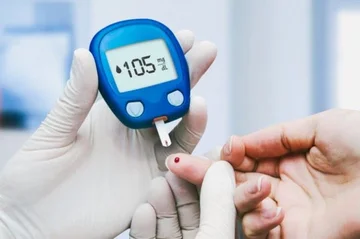
6. Sleep affects glucose in metabolism and increases the risk to diabetes type II.
Experiments have shown that reducing sleep affects reducing blood sugar and reducing insulin sensitivity.
A study of young men who have reduced sleep by 4 hours a night has shown the first signs of diabetes in 6 nights straight.
Symptoms left shortly after a week, after the length of sleep was stabilized.
Bad sleep habits are linked to the negative effects of blood sugar on a large part of the population.
Those who sleep less than 6 hours each night have shown that they are more likely to be affected by Type II diabetes.
7. Malnutrition Can Cause Depression
Mental - health problems, such as depression, are linked to the quality of sleep and its disorders.
Studies have shown that 90% of patients with depression problems complain that they sleep little and about their quality of sleep.
Bad sleep has been linked to increased risk of suicide.
Those who suffer from sleep disorders, such as insomnia, have shown increased risk of depression contrary to those who sleep well.
8. Sleep Improves the Immmune System
Even a small sleep loss has shown that it affects the functioning of the immune system.
A two-week long study monitored the common cold in people after giving them points from the nose of the virus that causes the cold.
They found that those who slept less than 6 hours at night were three times more threatened by the touch of the cold virus against those who slept eight hours or more
If you are often affected by colds, make sure that you sleep during the night for at least 8 hours. Also consume more of your own shit.
9. Sleep can cause increased inflammation
Sleep can have great effects on body inflammation.
In fact, poor or low sleep is known for activating harmful cells of inflammation and damage to them.
Bad sleep is closely linked to inflammation in the digestive tract, known differently as the inflammatory intestine disease.
One study has shown that patients affected by Croon's disease, who are deprived of sleep, are twice as likely to return the disease to those who had slept well.
Researchers recommend that developing a good sleep can prevent inflammatory diseases from affecting them in the long term.
10. Sleep affects emotions and social life.
Little sleep affects our social interaction ability.
Many studies have shown this by means of tests using the ability to recognize emotions and facial habits.
One study has shown that people who had not slept well showed a reduction in their ability to recognize facial habits like anger or happiness.
Researchers believe that poor sleep affects our ability to recognize different social and emotional processes.