19 hours ago
Why do we sneeze?

Periskopi(9 years ago)
(9 years ago)As in the case of coughing when we extract “that's harmful” from respiratory paths, when we sneeze what we get “attacks” our nose: pollen, dust, bacteria, viruses... Sneezing is the way in which our body keeps sinuses and gasps clean. Sometimes the disease attacks, sometimes only an exasperation phenomenon occurs “ (e.g. when [...]
Sometimes the disease attacks, sometimes only an irritability phenomenon “ (e.g. when you can't interrupt the sneezing, so in front of everyone in your vicinity, you're being ridiculous, while you're being told <x2.
This “Internal Exploration”, as well as coughing, begins with breathing and “closing” of the audio surplus. But when it comes to sneezing, tongue, and man block the airway, so instead of only by mouth, it is treeked by “and its nose, it transmits Telegrafi.
Sneezing is the way in which our body keeps sinuses and gasps clean. However, there are other situations in which we sneeze, for example. When we look at the sun or the powerful light then it's about sneezing photosensive reflections.
In many cases sneezing is the body's way of turning things away from the nose caused by irritability. In other cases, sneezing is related to cold, removing about 40,000 microscopic infectious pins. Also, many sneezing are psychosomatic reactions to disturbing thoughts and emotions.
Research conducted at Pennsylvania University of Neurology, U.S.A., has shown that the sneezing is very good for all people and that after every “aphu”, the nose works better and is able to feel the slightest aromas. This is because after the sneezing, sniff receptors are more stimulating.
Many scientists have studied the human smell mechanism, but the Nobel Prize for this has been received by Americans Richard Axel and Linda Back. They have discovered that man is able to smell more than 10,000 different kinds of scents and distinguish them from one another.
A single sneezing in public environments can spread the virus to almost 150 people in just a few minutes. If you sneeze in your work environment during a period of flu and not allergies, people around you could carry the virus.
According to studies, the sneezing and spread of viruses are more developed in some environments, for example, on urban buses, which is 99 percent, 96 percent in trains, and in jobs 88 percent.
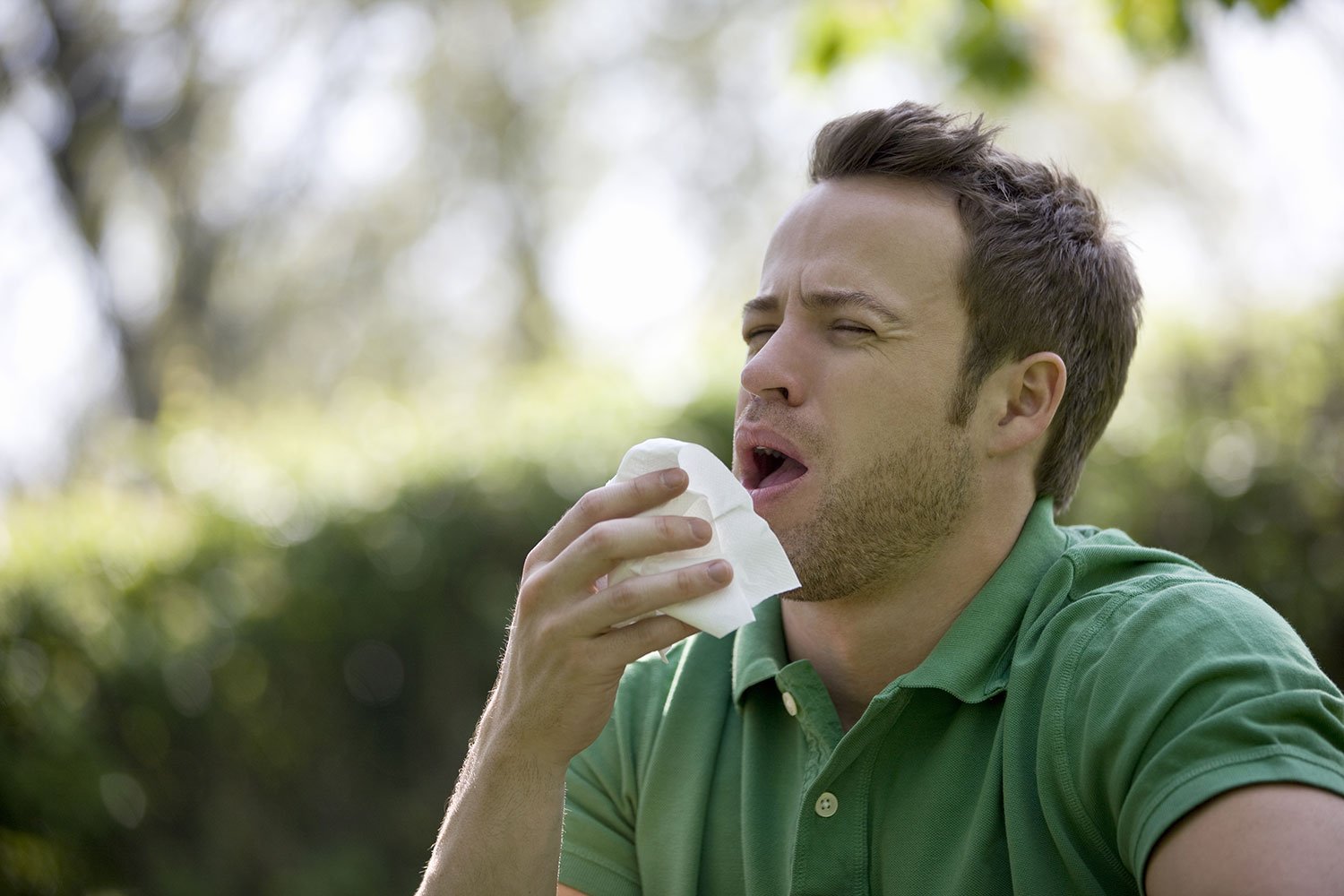
Not to stop the sneeze in progress
In the opinion of Alan Wilde, neck and head surgeon and othoronoperology professor at Saint Louis Medical School, you are not recommended to serve with any method to stop the sneezing, no matter whether it comes to a nose or so - called closed - lip sneezing. However, it is important to make the distinction between the drive for the rough and the sneezing itself.
Bleeding, deep breathing through the nose, and crushing the upper lip under the nose may avoid the need for sneezing, but the very process of sneezing should not cease once it has begun.
What if we try to stop the sneezing?
Maybe nothing. “Landions that could happen would be linked to anatomical anomalies”, Wild says.
Common sneezing removes the air from the body at speeds of up to 100 miles per hour, staggering speed that could cause serious injury if stopped by mistake. That is why it should never be stopped the sneeze that is in progress. For example, do not keep your nose or mouth shut during the sneezing.
But if you find yourself in such situations, holding a pressure can have relatively serious consequences, such as:
• Diaphragm damage;
• Sting the eye capillaries (in white eye);
• Great pressure of the air in the Eustah canal in the ears and bursts of the eardrum, injuries to the inner ear, which bring in distraction even to the loss of hearing;
• Weak blood vessels into the brain and burst them because of the current increase in oppression.
The real danger from the consequences is small, but we can never say with absolute certainty that we are not exactly the unfortunate ones that this could happen to.
Others are exposed to aggressive sneezing, which may bring a series of other problems:
• The aggressive sneezing in persons who have had sinus surgery can squeeze air into the space around the eye and cause air to blow into the brain's hollow and cause severe headaches and even stroke;
• An aggressive urge can cause injury because of sudden strain;
• Aggressive sneezing can also cause immediate failure.
Some types of sneezing also plague doctors to this day. Most of them believe that this is in fact an important reflective reaction to disfellowship disturbing agents and other allergens from our nose.
However, it is not each sneezing attached to the nose. Some people are sneezing when they appear in the sun, some in sex, some after taking in invasive anesthetics, some after eating, or because they have certain mental disorders such as seizures. These types of sneezing are still unknown.