a day ago
Barnets and Food Affect Blood Tests

Periskopi(9 years ago)
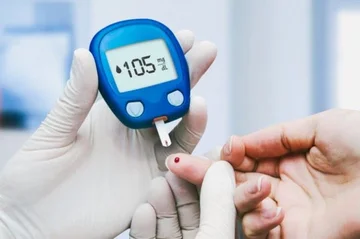
(9 years ago)Most laboratory tests allow the patient to eat nothing six to twelve hours before giving blood. Only a morning coffee with sugar before giving blood can be cause for false “ ”, above all, glucose. For this reason, preblood preparation [...]
Only a morning coffee with sugar before giving blood can be cause for false “ ”, above all, glucose. For this reason, preblood preparations should be taken seriously and maintained by the doctor's instructions.
For most laboratory tests, it is desirable for the patient to eat nothing six to twelve hours. The rich dinner, with fatty food, can enhance the value of triglycerides and cholesterol in blood:
Patients are recommended that before going for tests, they do not eat products from milk, eggs, fried foods, meat, or white bread. The same is true of vitamin - rich fluids.
A day before tests should be eaten light food, for example, boiled vegetables but only by not overindulgating. Even if only one small bite “is used directly before blood can increase fat value.
The rule of not taking food specifically applies to patients who want to see fat levels in their blood. In order to get the full correct results of fat, patients do not eat anything 12 hours before blood is delivered.
For all other tests, it is possible not to eat 6 hours before the blood is delivered, and it transmitsgraphy.
Morning champions
The daily pace of taking samples for analysis is very important. The reference values for some morning - hour tests are not the same as the values of the evening hours, so it is important to observe procedures that the doctor describes.
The value of some laboratory tests vary during the day, yet it is best to test in the morning.
If samples are taken in the evening hours (due to emergency cases), the doctor, in case of communication results, makes it clear that some drugs can affect certain parameters, especially if it comes to finding iron in the blood.
Patients who are in iron therapy do not receive therapy four days before blood is delivered, while those who receive vitamin B12, such as anemia therapy, do not take medication ten days before blood tests.
Common therapy for chronically ill people, for those with hypertension, diabetes, or for those with a sick heart can produce wrong results.
One day before blood is given, regular therapy and drinking should be passed after the samples are given for analysis.
Taking some drugs is conditioned by tajis of liver enzymes, so results can be shown from laboratory tests that are obviously far from those referenced values or are not the result of liver disease.
Intensive physical fatigue and exposure to extreme conditions such as low temperatures and high temperatures can also affect the value of some laboratory tests.
Hence, the enzyme of Creatine kinasis, which is an important indication of the diagnosis of myocard heart attack and muscle disease, for example, may be higher for ten times after physical fatigue.