a day ago
How the Body Changes When We Fall in Love

Periskopi(9 years ago)
(9 years ago)The phenomenon is not just imaginary - at the beginning of a relationship, a series of truly interesting chemical reactions involves the entire nervous system and hormones. Here's how the beginning of a love in our organism can affect a drug study published in the Journal of Neurophysiology has described love as being [...]
It's like a drug.
A study published in the Journal of Neurophysiology has described love as a drug: According to researchers, falling in love is very similar to the feeling of narcotic addiction, a high euphoria because of brain chemicals involved (such as dopamine, oxytocin, adrenaline, and vases). As with drugs, the more time you spend with your boyfriend, the more you become <x0-vart”. Before an important meeting, you noticed your heartbeat and your hands are also sweating. It's not just a ticking tick that causes anxiety to grow, it's the combined effect of adrenaline and jorenephrine.
I LIVING
AK SIDENT KTHEY IN LOVE!
Feeling Sick
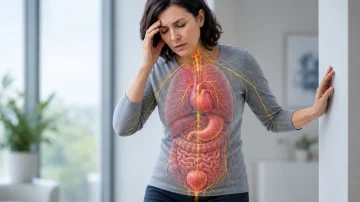
It is normal to lose your appetite or feel a little bad when a relationship begins. This feeling may be due to cortisol, the stress hormone, which causes the contraction of stomach vessels, causing us to feel bad. This effect usually disappears over time, but it explains how many couples are not eaten at their wedding.
It's like you have super powers.
Have you ever heard stories of desperate mothers setting up a car by force to release their trapped children? It may sound crazy, but the combination of love and fear can give a sudden superhuman force in case of emergency (the phenomenon is called “hysterical force”). This force is also perceived by lovers: oxytocin released in the nervous system can increase tolerance for physical pain. The desire to see the partner's face comes from the release of dopamine in the brain: it's a mechanism that stimulates the desire for/reward to pleasure.
Voice can take a more acute tone
In a study published in the Journal of Evolutionary Psychology, researchers found that when women spoke to men to whom they had physical attraction, the voice tended to be higher and more feminine.
Falling in love will sustain hormonal balance
During the first phase of falling into love, hormones “go into the air”. According to a study published in psychoneuandrocrinology, cortisol (compressor of stress) grows as in men as in women. And during that time, testosterone, male sex hormone, is reduced to men and grows in women.
More experimentors and adventurers (sexually)
The Sociologists of Penn State University who interviewed women in Pennsylvania, New Jersey, and New York have found that when they are in a relationship, women are more eager to try something new, even in the bedroom. And after marriage? They will have even more. We often hear it said that people “let themselves go” when they are part of a happy relationship and there is no explanation for that. In an article published in the Journal of Obsity, researchers have found that people tend to get fat when they get married. Another study has shown that women tend to eat more high - fat and sugar foods when they continue living with a man and that newlywed youths gained about 20 pounds [10 kg] in the first five years after their marriage.
Married couples have a healthier, longer life
True, a married couple have a healthier life than those that are single and therefore longer. According to a study by Duke University Medical Center, 40-year-old married people were less at risk of premature death than those who were divorced or never married. Another study by NYU Langone Medical Center in New York, has found that both (men and married women) had a more intense “ “ ” compared to those who are single. In particular, the profit fell on men, with a 5% lower probability of any vascular disease.
And when does it end?
Love can easily break our heart “You can die from the <x2nd of the heart breaking”: it's a scientific fact, according to the American Heart Association. The correct term is “cardiomyopathy driven by stress” and can affect even the healthiest person when stress hormones increase during a dramatic emotional event, such as the death of a mate, divorce, or a relationship. Symptoms often mimic heart attacks and include respiratory shortages, irregular heartbeat, and chest pain. The so-called “heart vision” can cause permanent damage and in rare cases even death. The good news is that most cases are curable and can be completely resolved within a few weeks.