20 hours ago
The Consequences of Short Sleep and Too Much

Periskopi(9 years ago)
(9 years ago)Health for qualitative athletes, adequate sleep is listed as one of the most important factors to achieve the desired results. But even for normal people, sleeplessness can have serious consequences. The same is true when you overstep your sleep. For quality athletes, adequate sleep is listed among the most [...] factors
For quality athletes, adequate sleep is listed as one of the most important factors to achieve the desired results. But even for normal people and intellectuals, his absence can have serious consequences.
Regular and deep sleep for the learning process of the human brain is an extremely important element.
The blood is for a man like a zebra for “, German famous philosopher Arthur Schopenhower once said. One who sleeps less than enough reduces its energy and productivity for a long time.
Sleep deprivation causes concentration deformities, produces a bad mood, and in long - term terms can even lead to an increased risk to cancer.
Contrary to the long - standing view of sleep, it is much more than just a passive phenomenon - not important.
Sleep is a very intensive process
During sleep, many organs and biosystems, which during the day work <x0 full-time”, regenerate and restore rhythm in general. In sleep, the immune system is activated, infections are fought, and disease causes fall into hibernation. And no less are processed during sleep the experiences of the previous day, stored information and memories reinforced.
The Aftermath of Sleep
Under the biological process of sleep, it becomes understandable why sleep deprivation can have such serious consequences for our physical and mental state. Sleep deprivation first leads to loss of thinking speed and then to a reduction or reduction in concentration. In the end, gaps or lack of thought and memory are followed by physical weakness.
Sleep Lack Sick
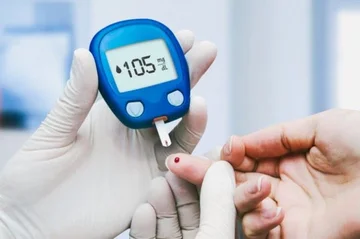
It is only with such basic knowledge that sleep deprivation makes it clear why reducing our ability to regeneration physically and mentally and why we are seriously in danger of getting sick. Sleep deprivation affects our immune system, leading to an increased risk of flu - related diseases. A little more complex, however, seems to be when we talk about the birth of an added risk to blood flow diseases, whether it's change of minerals or psychics. In various studies it has been found that in cases of sleep deprivation, change in carbs increases in blood sugar levels and loses balance and the production of thyroids all of these, classic messages of close access to heart disease and diabetes.
How many hours of sleep do we need?
If the effects of sleep deprivation were seen so far, what could we say otherwise? Various studies have shown that to live a healthy, balanced life, a person needs 4-10 hours of sleep, depending on genetic factors. This time for adults is 6-8 hours. On the other hand, there are studies that claim that 8 hours of sleep are not necessary, but 6, 5 or 4 hours of sleep can be sufficient. However, as <x0-line red” is considered October.
Too much sleep, like the one he lacked
Those who sleep more or less than the average will, sooner or later, deal ironically with health problems compared with those who sleep sufficiently and regularly. In a long-term study, more than 71,000 women were taken into observation over 10 years and two important points were noted. First, excessive sleep increased the risk of heart disease; second, many sleeping faced the same health problems as those who slept a little. Oversleep can cause obesity, diabetes, increased blood pressure, reduced muscle volume, weakened immune system, and depression.