10 minutes ago
US sets 25 per cent rate for imports from Brazil
Periskopi(2 hours ago)
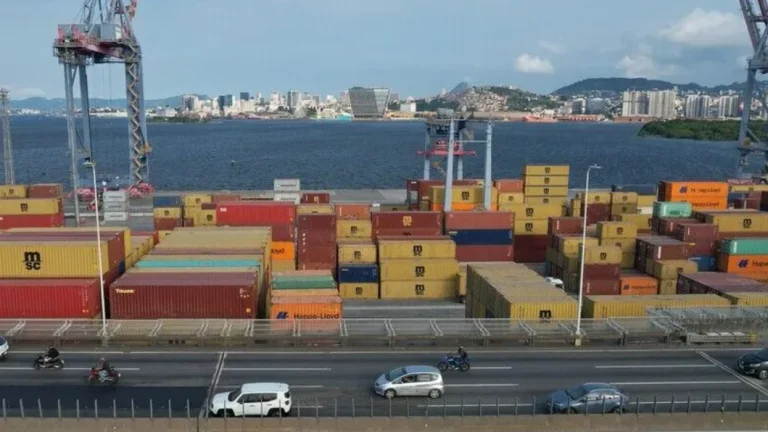
(2 hours ago)The US has set 25 percent tariffs for some imports from Brazil, following an investigation that concluded that the South American country was involved in unfair"trade practices"in the field of digital trade, electronic payments and other sectors.
US Trade Representative (USTR)'s office said the move was undertaken after a 1-year investigation by Article 301 of the 1974 Trade Act, which gives the US the right to investigate and respond to the practices of foreign governments considered unreasonable, unwarranted or discriminatory"and that harm American trade.
The broad negotiations with Brazil over the past year have not resolved these issues, but we remain open to continue talks with Brazil, so that the changes necessary for the problems identified in this probe have been achieved", said US Trade Representative Jamieson Greer.
A senior administration official told reporters under the condition of anonymity that the investigation found that Brazilian courts had taken steps against American technology companies that make an unfair trade obstacle".
For example, Brazilian courts have issued secret orders urging American technology companies to remove certain political content, suspend their citizens' account, and stop platforms from making public those commands", the official said, reports AA, broadcast Periscope.
He added that the investigation also found that"Brazili has unfairly discriminated against American electronic payment services providers, favouring the payment system 'Pix' operated by Brazil's central bank".
The official also accused Brazil of providing preferential treatment to India and Mexico, while not offering similar approaches to American exporters. As part of the measure, the administration ruled out certain products, including oranges and orange juice, some energy products as well as parts and components of the aviation industry.
The investigation under Article 301, launched last year at US President Donald Trump's order, also examined Brazil's policies regarding the implementation of anti-corruption measures, protection of intellectual property, access to the ethanol market and illegal deforestation. /Periscope/