5 hours ago
Eight tonnes of cocaine seized in Germany, worth 500m euros
Periskopi(22 days ago)
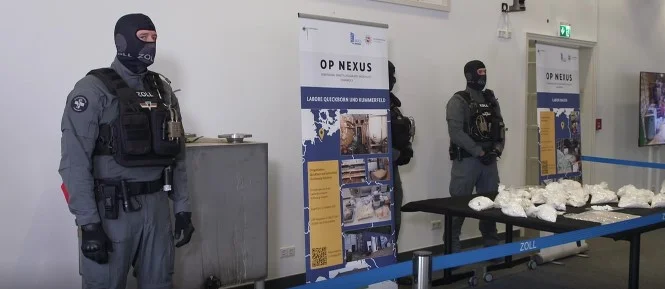
(22 days ago)German customs authorities have conducted one of the largest anti-drug operations in recent years, sequencing more than 8 tonnes of cocaine at the port of Jade-Weeser in Wilhelmshaven. The value of drugs in the illegal market is estimated to reach around 500m euros.
According to Aurich's Public Prosecutor and the General Directorate of Customs at Koln, the narcotics was discovered on February 9th in a shipping container that had arrived from West Africa.
The discovery was made during a routine X-ray search by the inspection unit of the Oldburg Customs Office. During the scan, officers noticed cargo irregularities, which led to a detailed inspection of the container, writes German media.
More than 400 packages wrapped in black sheets were found inside. According to investigators, each package contained about 20 hard - packed cocaine blocks, bringing the total amount seized to over 8 tonnes.
Authorities also found that trafficking organisers had placed GPS broadcasters in the package, with the aim of continuing monitoring the cargo location during transport, broadcast Klankosova.tv.
To avoid any possible attempts by criminal groups to recover drugs, the entire amount of seized has been destroyed in Germany under strict security.
For tactical and investigative reasons, the case was kept secret for several months. Investigations and international co-operation led to the arrest of two people suspected of leading the criminal network. They were arrested by Spanish authorities in mid-May during an operation organised in the province of Almeria, where a controlled container had been installed. One of those arrested is the head of an import company.
German Finance Minister Lars Klingbeil hailed the operation as a significant blow to international drug trafficking.
“The selection of eight tonnes of cocaine in a single operation constitutes a major blow to international criminal networks”, he said.
Klingbeil also announced that he will soon present the government cabinet with the Customs Financial Justice Law, which aims to strengthen the competencies and technological means of customs in the fight against organised crime.