8 hours ago
Prosecutor's Police: There are attempts from outside to intervene in elections, arrested several in Gracanica, gathering information.
Periskopi(19 days ago)
(19 days ago)Kosovo police and the State Chief Prosecutor's Office through a communique for the media have said law enforcement institutions have accepted and addressed numerous information that is linked with doubts about external intervention and illegal activities aimed at influencing the free will of citizens during the election process.
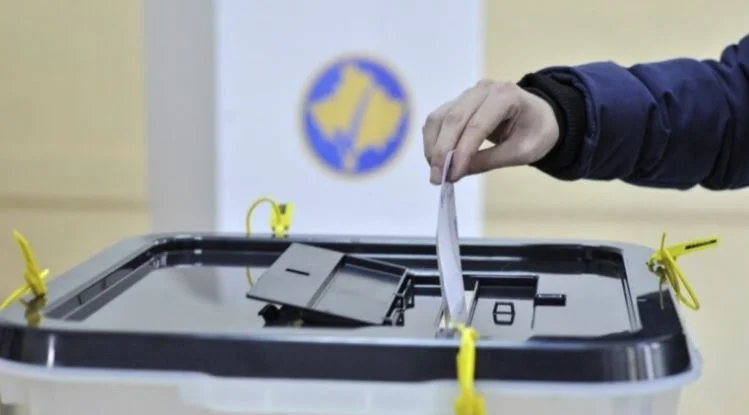
The communique says that external interventions in elections pose a serious threat to democracy, independence and the free will of citizens.
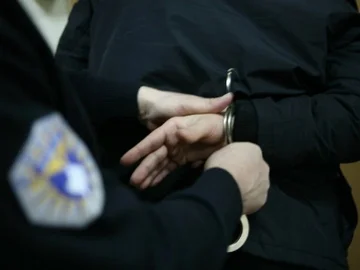
The two institutions have announced that only in the Gracanica municipality have seven people suspected of criminal acts linked to the violation of the free voter definition.
“As a result of investigative and operational actions, seven persons suspected of criminal acts linked to violating the free definition of voters and exercising political pressure in the municipality of Gracanica have been arrested on May 19, 2026. Also, on June 4th 2026, in the same municipality, another person has been arrested under suspicion of accepting and bribery about voting”, the report said.
The prosecution and police say these actions “testify to active attempts at election intervention, as well as the determination of the institutions of the Republic of Kosovo to protect the integrity of the election process and fight any attempt to illegally influence the free will of voters”.
The relevant “Institutions are continuing to address other information, as well as the close monitoring of any activity that could affect the integrity of the June 7th 2026 early parliamentary elections.
We call on all citizens of the Republic of Kosovo, regardless of ethnicity, language, political affiliation or personal obedience, to exercise their right to vote freely, without pressure, without fear, without outside influence, and to report every suspected case of pressure, threat or any other form of illegal intervention in the election process”, the communique concludes.
Full communication: