6 hours ago
The meeting of EU and Western Balkan ministers on 11 May: Focus on Kosovo- Serbia
Periskopi(2 months ago)
(2 months ago)The foreign affairs ministers of European Union member states (BE) will hold a joint meeting with their counterparts from the Western Balkans on May 11th.
Discussion between 27 chiefs of European diplomacy and six foreign ministers of the countries of the region will serve as a boost to continuing discussions on the situation in the region, which will be held the same day, only at the level of European ministers.
EU and Western Balkan foreign ministers are expected to, among other things, discuss preparations for the Western Balkans summit, which will be held in Tivat in Montenegro in June.
European diplomats involved in meeting preparations have warned that the focus of the discussion between European ministers and their counterparts from the region will be strengthening co-operation between the EU and the countries of the region, increasing the stability of Western Balkan states towards negative external influences, harmonisation with EU foreign policy, including sanctions, as well as relations between the countries of the region themselves.
In this direction, officials familiar with meeting preparations have stressed that among the topics Brussels wants to keep in focus will be the dialogue on normalising relations between Kosovo and Serbia. These sources warn that Brussels officials are not satisfied with the dynamics of the process.
“Although there have been some results in recent months, dialogue between Belgrade and Pristina still does not have the dynamic we would like to see. We expect that an additional incentive to advance the process will be given during the discussion, said a European diplomat who wanted to remain anonymous.
This official confirmed the EU's high representative readiness for foreign policy and security, Kaya Kallas, who, as he said, “plays its” role in the process.
However, diplomats in Brussels warn that, despite its readiness to call a new round of dialogue at the level of leaders, the internal situation in Kosovo is difficult to realise this goal because of the ongoing election cycles in the country, which is reflected directly even in the dialogue process itself.
The leaders of Kosovo and Serbia have last met under dialogue in September 2023. Kaya Kallas took over the post of senior EU representative in December 2024, and so far there has been no chance to be economical of dialogue at the highest political level.
During 2025, the reasoning about the lack of meetings under dialogue has been the unfavourable domestic political circumstances, both in Serbia and Kosovo, though of different natures.
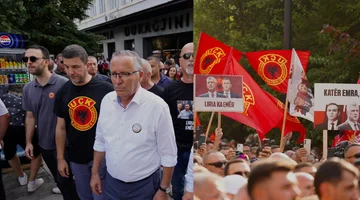
In Serbia, protests have been held since November 2024 following the collapse of the shelter on the entrance of the railway station in Novi Sad, where 16 citizens died.
Kosovo, on the other hand, has faced an institutional crisis throughout the past year due to the lack of political agreement on forming institutions after the elections.
In Kosovo, parliamentary elections are held in February and December 2025, while new elections are scheduled for June 7th.