2 hours ago
KSF in Gaza, Ambassador Ziv: We'll see what each country's mandate is and how Hamas will react.
Periskopi(3 months ago)
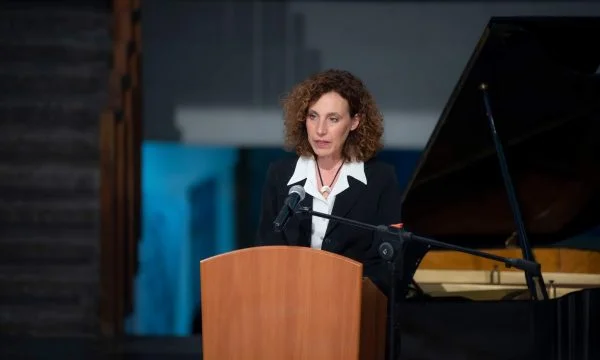
(3 months ago)Israeli Ambassador to Kosovo Tamara Ziv said they are happy that Kosovo is involved in the Peace Board and the peacekeeping mission in Gaza. “Initially, we are very happy that President Trump has included Kosovo in the Peace Board, the peacekeeping force. I think this is very important and I think [...]
“Initially, we are very happy that President Trump has included Kosovo in the Peace Board, the peacekeeping force. I think this is very important and I think it shows a belief in Kosovo's ability to be a partner in this process at this time to build peace in the Middle East. Again, much depends on Hamas and how Hamas will react to various countries that will send forces to the Gaza Strip. Kosovo is among the five countries that will send troops inside and we need to see exactly what will be the mandate of each of these five countries within the Gaza Strip. We have welcomed the Government's decision that has shown the will for this mission and in the hope that a better Middle East will eventually be created.”, she said, in an interview for the “Click” show in RTV21, Transaction Periscope.
Ziv also answered questions about how much they believe the KSF is capable of doing work at the Gaza Strip, saying it depends on how Hamas reacts,
Okay, sir, much depends on Hamas. And how Hamas will react to the various forces that will enter the Gaza Strip. It is too early to say how the situation will develop.”, Ziv said.
Ziv also spoke of reports between Kosovo and Israel six years after the recognition of Kosovo by this state, saying they will work even harder on deepening reports after the war.
We, of course, were very happy to establish relations with Kosovo. Since establishing relations in 2021, we created room for this relationship, we invested a lot in trying to reach different important agreements between the two countries. Among the first agreements was the one of the visa-free movement that enabled Kosovo citizens to come to Israel, without visas, and this was obviously very important for trade, cultural relations, academic relations, tourism and others. We've worked to create vast spaces of our relationship in many areas. We've been working with the academy, the culture, the relationship between people, we've worked in tourism and much has been done. Unfortunately, these last two and a half years have been very difficult for us and we were absorbed in other things and we were forced to fight. But I'm sure even though the war is still working on the relationship between us, we will strengthen them and there will be more, of course, after the war when things calm down.”, she said. /Periscope