6 hours ago
Europe in energy uncertainty: Nobody knows how much fuel there really is
Periskopi(2 months ago)
(2 months ago)Europe is facing a serious problem in fuel supply, while simultaneously facing the consequences of war in Iran and rising energy prices. Although officials warn of possible shortages, the main problem is that the European Union does not have an accurate picture of how much fuel is available, writes Politico. And [...]
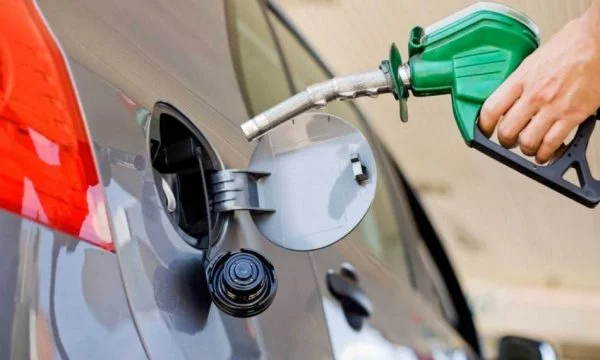
Europe is facing a serious problem in fuel supply, while simultaneously facing the consequences of war in Iran and rising energy prices. Although officials warn of possible shortages, the main problem is that the European Union does not have an accurate picture of how much fuel is available, writes Politico.
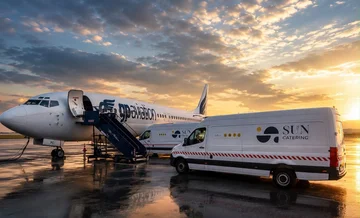
As airlines lower the planes on land and authorities urge citizens to reduce travel, concerns about market disorders are increasing. The Iran war has already increased energy prices and threatened supply stability through the Strait of Hormuz. European Commission President Ursula von der Leyen said the conflict is costing the EU about 500m euros a day because of rising energy prices, while the US is considering long-term measures against Iran that further impact the global market.
Although the EU has knowledge of state oil and gas reserves, the situation with commercial reserves remains unclear. This blind “pecker” makes it difficult to assess the current situation and could lead to delays in response to possible shortages.
Senior officials from several European countries have warned that a real-time inventory monitoring system is missing. Even high - speed communication channels between countries have been proposed so that information can be exchanged faster.
The biggest problem is with fuels refined like oil and oil, which are stored in private warehouses and are not required to be declared. Because of this, neither European institutions nor international agencies have a full market view.
The commission recognised this weakness and announced the creation of a “Carbservator” that should monitor production, imports and reserves, modelled according to American energy systems.
The gas situation is somewhat clearer because of the obligation to fill the deposit, but with oil, data comes slowly and incomplete. Experts warn that Europe formally knows how much fuel there should be, but not how much there really is at any given time.
An additional complication brings war to Iran, which changes the global flow of distribution, diverts the direction of tankers and further destabilises the market. The supplies move through complex storage networks, tankers, and private systems, making accurate tracking difficult.
While satellite and analytical data systems exist that help with assessments, experts warn that this is limited and not always reliable information. Thus, Europe is entering a period of energy uncertainty, where decisions increasingly depend on estimates and less on accurate data.