4 minutes ago
Where do the prices rise if Hormuz Strait closes?
Periskopi(4 months ago)
(4 months ago)Oil prices have increased since US-Israel attacks on Iran prompted Tehran to effectively block Hormuz's vital Strait. The increase has already led to the rise of gas prices in the US, they are now at the highest level since October 2023, writes CNN. And the conflict is not giving signs [...]
Oil prices have increased since US-Israel attacks on Iran prompted Tehran to effectively block Hormuz's vital Strait. The increase has already led to the rise of gas prices in the US, they are now at the highest level since October 2023, writes CNN.
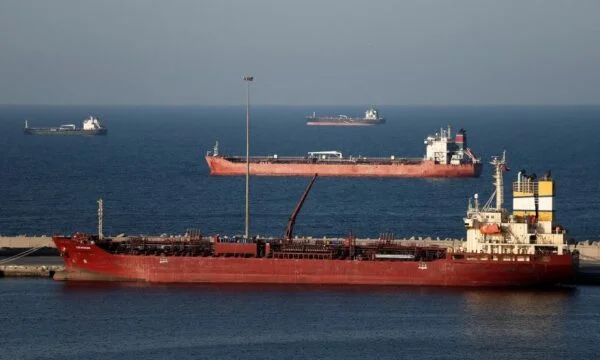
And the conflict is not giving signs of softness. A senior figure of the Iranian regime suggested on Tuesday that the Hormuz Strait, through which exceeds 20% of the world's oil, will not be made sure of ships soon, attacks on energy infrastructure across the Middle East have continued, and Israel has claimed to have killed Iran's security chief, Ali Larijani.
Even if the war was to end today, it may take one to three months for the Hormuz Strait to become functional again, according to Homayoun Falakshahi, a senior oil analyst at the commercial data and analysis company Kpler.
It will take time to clean hundreds of ships waiting for safe passage and for large oil producers to repair damaged objects, increase production, and restore oil to circulation. Wartime is what really matters: the longer the war, the higher the prices, writes CNN.
Consider what else is making the conflict more expensive or may soon do:
Air tickets: As oil prices rise, so do fuel costs for airlines. Delta Executive Director Ed Bastian said on Tuesday that fuel prices for aircraft have doubled since the beginning of the war and that the company has already increased ticket prices several times over the past two weeks. In an interview for CNBC, he also said he expects the airline industry to continue to increase ticket prices as the war extends. Travel experts told him CNNs that customers should reserve travel as soon as they can, avoiding basic economic tickets to this uncertain climate, as they have more restrictions on remuneration and rereservation.
Food: Food stores especially food sections of fresh products, meat and milk products are among the first countries where consumers will see the effects of higher fuel prices. The cost of transporting goods has increased and is expected to continue to increase as long as the war continues. The less stable on the shelf is a product, the less companies can store and the more sensitive they are to price hikes.
Residence: The US mortgage rates had steadily declined over the past nine months, with great help from three reductions of interest rates by Fed last year. But investors are now demanding higher returns for treasury bonds due to fears of higher inflation as a result of the war. The mortgage rates, closely related to the productivity of US 10-year-old US treasury bonds, have increased over the past two weeks, having again exceeded 6%.