3 minutes ago
Iran again lays missiles towards Israel and Kuwait, despite reports of diplomatic efforts
Periskopi(4 months ago)
(4 months ago)Iran has carried out attacks against Israel and Kuwait on Tuesday, about a day after United States President Donald Trump announced very good and productive “talks towards an agreement to end the war with Tehran, which has already entered the fourth week. At least six people have been injured like [...]
Iran has carried out attacks against Israel and Kuwait on Tuesday, about a day after United States President Donald Trump announced very good and productive “talks towards an agreement to end the war with Tehran, which has already entered the fourth week.
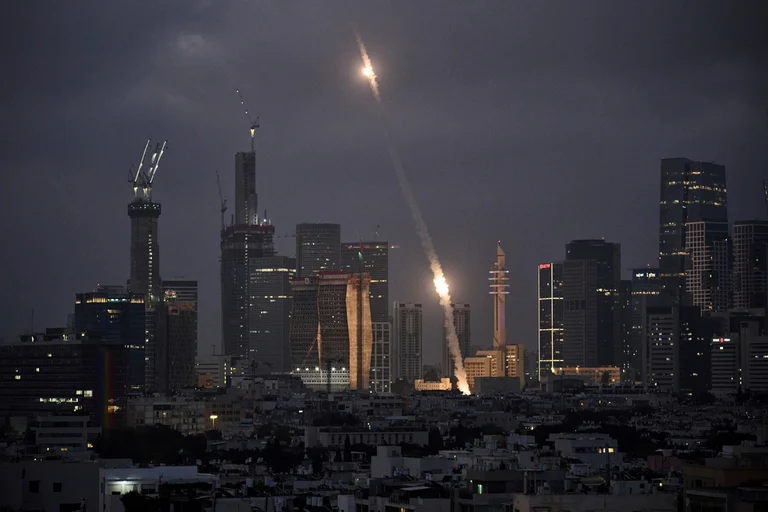
At least six people have been injured as a result of attacks on four locations in the town of Tel Aviv on Tuesday. Local officials said damage has been caused by the remains of Iranian missiles and drones crash into the air.
Meanwhile, Kuwait said the air defence responded to “missile attacks and fears” and that the noises of the reported explosions were caused by the intervention and neutralisation of these threats.
Tehran launched missiles and fears towards targets across the Middle East, amid conflicting reports of whether talks were under way to reach a ceasefire in fighting that began with US and Israeli attacks on Iran on February 28th.
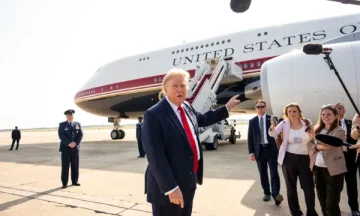
Trump said Monday that weekend talks with a top “official” Iranian was significant enough to postpone for five days the possibility of attacks on Iran's power plants unless it reopens the Hormuz Strait.
Iran has repeatedly denied there has been direct talks, although some media reports, citing anonymous sources, said the mediator had been involved in conveying messages between the two sides.
Kenneth Pollack, former White House and CIAanalyst, now at the Institute for the Middle East (MEI), said there is little evidence supporting claims for close diplomatic progress, despite some countries' efforts to mediate talks.
“Sic I understand, Iranians have responded with very strong precautionary conditions: that the US pay off compensation and withdraw all forces from the region, which are unacceptable to Trump”, Pollack told Radio Free Europe in Washington.
The Trump Declarations seem to have more to do with calming markets than with real and close progress”, he stressed.
The outbreak of conflict has caused oil prices to rise significantly, especially since transport has almost completely stopped at the Hormuz Strait, the key point for shipping through which it passes about a fifth of the world's oil and gas.
The conflict has shaken energy and financial markets, increased fuel costs, sparked fears of global inflation, and destabilised the Middle East and the West, adding concerns that fighting could spread and involve the entire region.
The threat of attacks on electrical networks in the Persian Gulf has sparked fears of massive disruptions of drinking water and has further shaken oil markets.
Trump's comments about the talks helped to reduce Brant's oil price by about 10 percent on Monday, although attacks across the Middle East on Tuesday raised it by about 3 percent to more than $1 102.84 per barrel. / REL