5 hours ago
Ali Larian's death deepens Iran's leadership crisis
Periskopi(4 months ago)
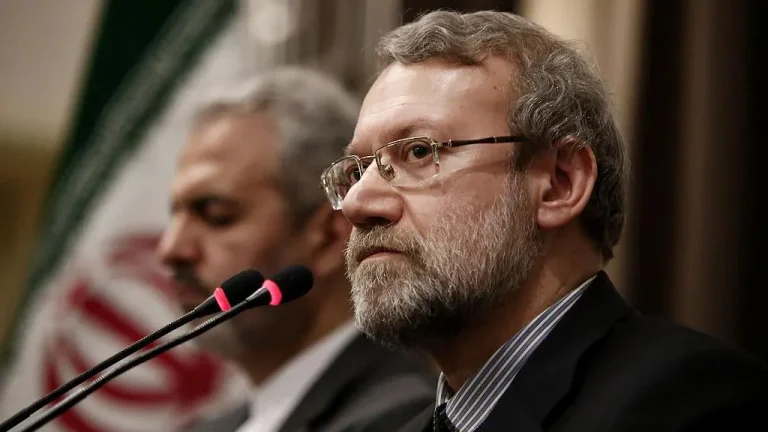
(4 months ago)The Israeli air strike killed Iran's security chief, Ali Larijani, has fired one of the most experienced and influential policymakers of the Islamic Republic at a critical moment. Larijan was not a military commander, but he was a central figure in shaping Iran's strategic decisions, reports the BBC, broadcast Periscopi. He was [...]
Larijan was not military commander, but he was a central figure in shaping Iran's strategic decisions, reports BBC, broadcast Periscope.
He was secretary of the Supreme National Security Council.
His voice was all over the system, especially in managing Iran's confrontation with the United States and Israel.
Following the assassination of Supreme Leader Ali Khamenei on 28 February, Larijani used a challenging tone, signaling that Iran was prepared for a long conflict.
His death, now confirmed by state media, comes amid a broader campaign in which several senior Iranian officials and commanders have been killed within weeks. This model suggests a continuing effort to weaken Iran's wartime governing structure.
Despite his harsh stand against the West, Larijan was often described within Iran as a pragmatist. He combined ideological loyalty with a technocratic approach, favouring the calculated strategy on rhetoric.
He remained deeply skeptical of engagement with Western powers, but was also involved in major diplomatic efforts, including the envoy's role in Iran's long-term co-operation agreement with China.
At the time of his death, Larian was responsible for managing three major crises.
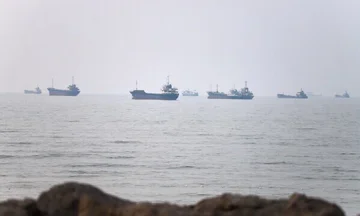
The first was war itself. He argued Iran should prepare for an extended war and expand conflict throughout the region and beyond, including closing the Hormuz Strait.
The second was a wave of internal unrest, which began with economic complaints, but soon turned into wider protests demanding the collapse of the Islamic Republic. These faced pressure that killed thousands of protesters throughout the country.
The third was Iran's nuclear programme and the deadlock of indirect negotiations with Washington, both of which had already been interrupted by military attacks.
His departure leaves these unresolved issues and transfers them to a still unknown descendant facing an extremely fragile situation. While Iran has shown stability, partly by cutting off global energy markets, its airspace remains open to continued attacks. Any new top figure will face the immediate risk of targeting.
This could further shift power to the military. Recent remarks by President Masoud Puseskian suggest that armed forces units have been effectively given broad authority to act if the top leadership is incapacitated. In practice, this may mean making decisions faster but with less central coordination.
There are also signs that the leadership is trying to manage the legacy. Iran has delayed public reports and kept several figures, including the new Supreme Leader, Moitaba Khamenei, mainly out of focus. Whether this is for security reasons or because of internal uncertainty is unclear.
In the short term, the possible outcome is a more unstable situation: a more severe military position in war and the most severe oppression in the country.
Iranian Army chief Amir Hatami has also threatened to launch a <x0-seat revenge” for Larian's death.
In time, however, a system that continues to lose high images may find it increasingly difficult to function effectively, especially in a country of more than 90 million people.
The effect of Larian's death, then, is not just the loss of a single official. This deepens a leadership crisis that can affect both the course of war and the stability of the Iranian state itself. /Periscope