6 minutes ago
Trump: regime change, best thing that could happen in Iran
Periskopi(5 months ago)
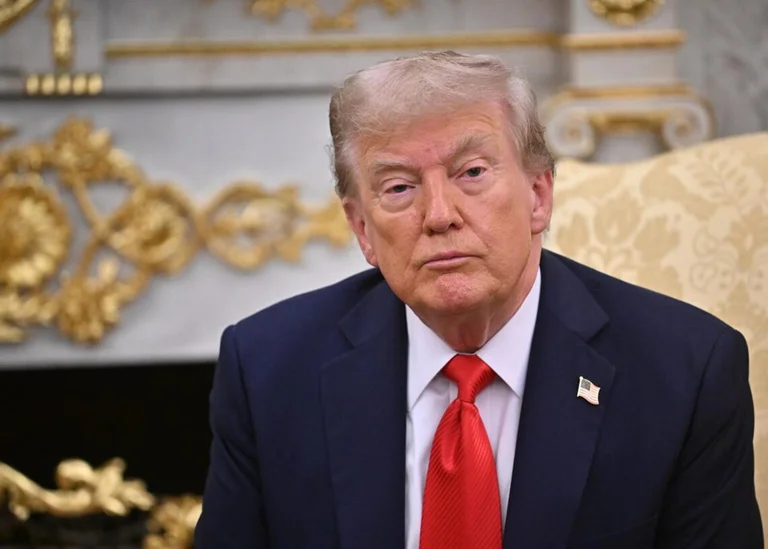
(5 months ago)US President Donald Trump said the regime's change is the best thing that could happen to “in Iran, while confirming that a second aircraft carrier will soon join the U.S. “x3> in the Arab Sea, amid high tensions between the two rivals. “Thinking this would be the most [...]
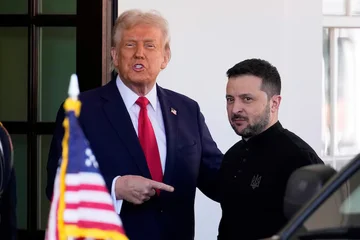
“Having this would be the best thing that could happen”, Trump told reporters on February 13th as he was standing on a military base in North Carolina when he was asked if he targeted “the change of the” regime in Tehran.
For 47 years, they have spoken and spoken and spoken. In the meantime, we have lost many human lives at the time they spoke”, he added. This is Trump's most direct call for the collapse of Iran's clerical regime.
Trump did not say who wants to take over the government if the regime falls, but said only that “there are people”.
Reza Pahlavi, the exiled son of Iran's last chess, is one of many figures intended to gain influence within the fragmented Iranian opposition in exile.
Iran's theocratic regime has been in power since 1979, when the Islamic Revolution led to the U.S.-backed chess collapse, Mohammad Reza Pahlavi, by religious clerics loyal to Ajatolah Rholah Khomenini. Both sells have had no diplomatic relations since 1980.
Washington and Tehran are involved in indirect talks on Iran's nuclear programme. Western countries suspect Iran is trying to develop a nuclear weapon, while Tehran insists its programme is only for civilian purposes.
Trump has also threatened a new military attack on the Iranian government if any of the protesters arrested during the recent antigovernmental protests.
Difficult “talks<x1 nuclear>”
Trump told US troops on the basis Tehran has been the difficult “in nuclear talks and suggested pressure should be increased on Iranians.
“They have made it difficult to reach a” agreement, he said. You have to be scared sometimes. That's the only thing that will solve this”.
Trump also extolled the 12-day war held June of last year, when Israel and the US carried out bombings campaigning to target Iran's nuclear and military facilities.
The recent statements of the American leader come at a time when Washington has a mass military gathering in the Persian Gulf region.
Experts say the loss of forces aims to give Trump the military option if he chooses to act on his threats to attack Iran because he has not reached a nuclear agreement and has violently oppressed protesters.
Iranian security forces killed thousands of demonstrators in January, following protests that erupted in late December 2025, initially on economic issues, but later turned into general outrage against the regime. More than 53,000 people were arrested, according to human rights groups.
Presequently, the U.S. has deployed the aircraft carrier Abraham Lincoln in the Persian Gulf region under what Trump calls the massive “massive float” deployed near Iran.
On February 13th, Trump confirmed that another aircraft carrier, Gerald R. Ford, along with accompanying ships, was sailing from the Caribbean and would soon join American forces in the region, most likely in about seven days.
Gerald R. Ford is considered to be the largest battleship in the world, measuring 337m and capable of carrying some of the most advanced military technologies.
When asked why he was sending the second battleship, Trump said: “If we don't reach an agreement, we'll need... If we need it, we'll have it ready”.
Negotiators met last week in Muskas in talks mediated by the Oman Government, and the subsequent round is unclear, though Reuters is calling to sources said a new round of talks is scheduled to be held in Geneva on February 17th.
Iran has been hit hard by Western financial sanctions, which have contributed to the collapse of the state economy.
In 2015, Iran agreed to nuclear agreement with world powers. The pact was intended to prevent Tehran from developing nuclear weapons in exchange for easing economic sanctions.
However, Iran began to withdraw from its commitments after Trump, during his first presidential mandate, withdrew the United States from the agreement in 2018 and restored sanctions on Tehran. / REL