19 minutes ago
European Commission proposes 20th sanctions package against Russia
Periskopi(6 months ago)
(6 months ago)The European Commission has proposed a 20th package of sanctions against Russia aimed at energy, financial services and trade, aimed at adopting it before the fourth anniversary of the war on 22 February. The commission is proposing a new package of sanctions, the 20th since the beginning of Russian aggression against Ukraine”, Commission President Ursula said. [...]
The European Commission has proposed a 20th package of sanctions against Russia aimed at energy, financial services and trade, aimed at adopting it before the fourth anniversary of the war on 22 February.
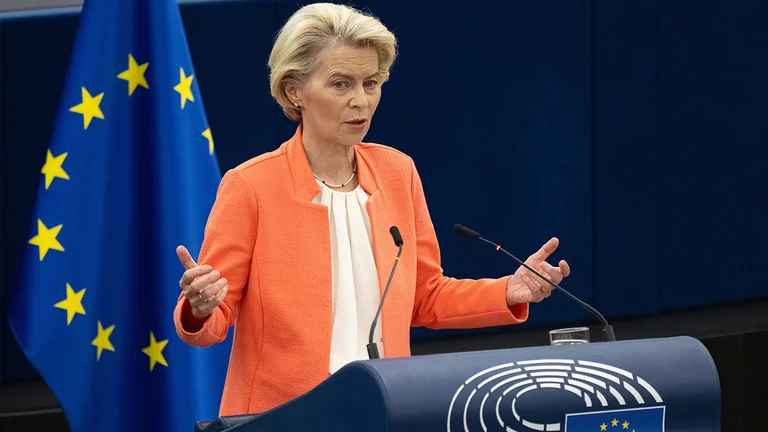
The “Commission is proposing a new package of sanctions, the 20th since the beginning of Russian aggression against Ukraine”, said Commission President Ursula von der Leyen, broadcast Clankosova. tv
Limitations in Russia's oil and energy sector
The new package proposes a complete ban on maritime services to transport Russian crude oil, aimed at further reducing revenues from the sale of energy products and making it difficult for buyers to find Russian oil.
“Since shipping is a global business, we propose that this complete ban be adopted in co-ordination with countries with the same opinions following the decision of G7”, the Commission's president said.
The new package includes the addition of 43 other ships from Russia's so-called shadow fleet to the sanctioned shipping list. The total number of such vessels, which Russia uses to bypass sanctions, now rises to 640. It also proposes measures to make it more difficult for Russia to provide tankers for the fleet in the shadow, and an inclusive ban on providing maintenance and other services to the LNG tankers and icebreakers.
Limitations on Russian Financial System
The second part of sanctions concerns measures to limit the Russian banking system and its ability to create alternative payment channels to finance economic activity. Another 20 Russian regional banks are added to the sanctioned list, as well as to several banks in third countries involved in facilitating illegal trade in sanctioned goods.
Also proposed are measures against cryptovatolus, companies that trade them, and platforms that enable the trade in cryptova peaces to make it more difficult to pass sanctions.
Import and Export Limitations
The third part of the new package of sanctions refers to measures that tighten restrictions on export of goods and services to Russia from tires to tractors and cyber security services.
Also proposed is a new ban on importing metals, chemicals, and critical minerals, which are not yet under sanctions, as well as further restrictions on exporting items and technologies used for Russia's battle efforts, such as materials used for producing explosives.
The Commission's president calls on member states to approve this package of sanctions as soon as possible “in order to send a strong signal on the eve of the fourth grim anniversary of this war”.
Von der Leyen says Russia's fiscal revenues from oil and gas fell by 24 per cent in 2025 compared to last year, the lowest level since 2020.
The “revenues from oil and gas in January will be the lowest since the start of the war. This confirms what we already knew, that our sanctions are functioning and we will continue to use them until Russia starts serious negotiations with Ukraine for a just and lasting peace”, von der Leyeen said.