a minute ago
EU: status of Serbian educational and health institutions in Kosovo to be resolved in Brussels dialogue
Periskopi(5 months ago)
(5 months ago)The status of health and educational services Serbia supports in Kosovo will be resolved under the dialogue between Pristina and Belgrade, in line with the agreements reached and Kosovo's ruling laws, a European Union spokesman for Radio Free Europe said in response. Kosovo Prime Minister Albin Kurti, [...]
The status of health and educational services Serbia supports in Kosovo will be resolved under the dialogue between Pristina and Belgrade, in line with the agreements reached and Kosovo's ruling laws, a European Union spokesman for Radio Free Europe said in response.
Kosovo's “Prime Minister Albin Kurti has pledged to tackle the integration of health and educational facilities supported by Serbia, in consultation with Kosovo Serbs and the EU, especially with the EU special representative for dialogue between Belgrade and Pristina”, the spokesman said.
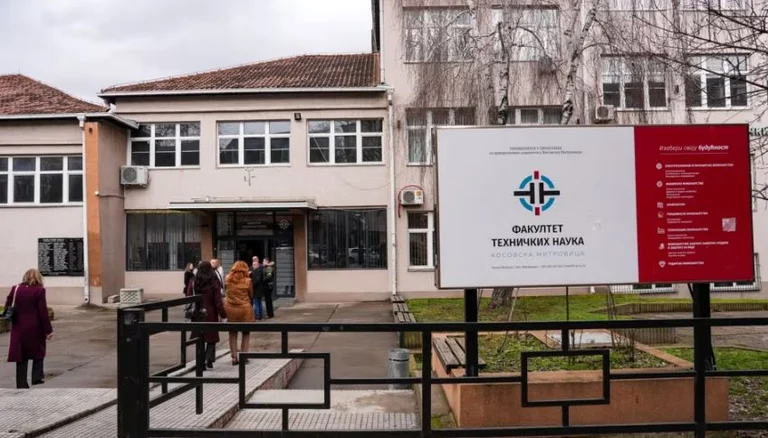
Health and educational institutions in the majority Serb environments in Kosovo operate on the basis of Serbia's system and are almost the only ones Kosovo authorities have not closed down. Since the beginning of this year, the issue of integration of these institutions into the Kosovo system has been actualised.
Kosovo Prime Minister Albin Kurti announced on 16 January that the process of Serbian health integration and education will be carried out in co-ordination with the European Union, stressing that the concerns of non-US communities will also be taken into account.
However, which integration models are being considered and whether this process will be conducted within the Serbian majority municipalities' association, as Belgrade insists. Free Europe Radio has turned to the Government of Kosovo with questions concerning the issue and is awaiting the answer.
The sides agreed to the Association in 2013 and it is also mentioned in the Agreement on the road to normalisation of relations, which Kosovo and Serbia have accepted in 2023. Under a draft state that the European Union drafted, association would also have to regulate the income issue, financing from Serbia's budget, respectively.
Meanwhile, the announcement of the start of integration of educational and health institutions coincides with the start of implementing the first phase for full implementation of the Foreign Law, which will last until 15 March and envision a period of information.
Full implementation of this law could affect the functioning of Serbian health and educational institutions, as those who do not possess Kosovo documents should have work permits or licenses for the exercise of the event, for which request is presented at the Kosovo Employment Agency.
In practice, obtaining work permit or education license can be problematic, as Kosovo does not recognise Serbia's institutions, which it considers parallel and illegal./Periscopi/