23 minutes ago
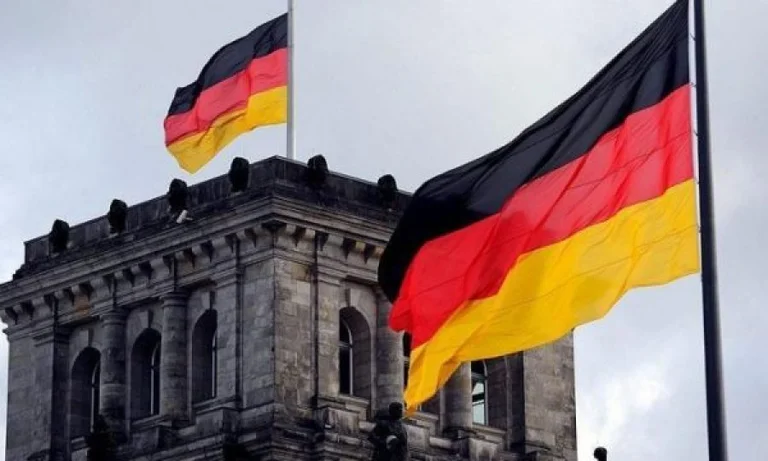
Germany tells teachers to prepare children for war
Periskopi(a year ago)
(a year ago)Schools are required to devote greater concentration to civil protection after the EU told citizens to prepare 72-hour survival sets amid the growing threat of World War III, Germany's Interior Ministry has called for civil protection training in schools and is urging citizens to collect food, water and [...]
Schools are required to devote greater concentration to civil protection after the EU told citizens to prepare 72-hour survival sets amid the growing threat of World War III
Germany's Interior Ministry has called for civil protection training in schools and is urging citizens to collect food, water and essential things in response to the worsening security situation in Europe and a growing threat to World War III.
The unprecedented movement, confirmed in a statement to the Handelsblat newspaper, would have German students learn how to respond to war-like unstable scenarios.
A ministry spokesman said civil protection should be dedicated to greater focus, including schools, given the recent alarming geopolitical developments and expert evidence that Russia may be ready to hit NATO territory within a few years.
Defence spokesman Roderich Kissewter for the conservative CDU party said it was absolutely necessary for schoolchildren to train for emergencies, calling them particularly vulnerable and especially vulnerable in emergency cases.
He is calling for mandatory basic disaster response training modelled according to systems in Finland, which has prepared citizens for the possibility of a war with Vladimir Putin's Russia for years, broadcasts Periscope.
Berlin says it's even willing to provide all the schools and teachers of the national crisis through the Federal Civil Protection Office and the Relief Office for Disasters (BBK), and that's why technically education issues are something that is independently established by any federal state.
The ministry also approved a new EU Commission readiness initiative during the war and recommended that all German citizens prepare emergency supplies to last at least 72 hours according to recommendations from the European Union.