a few seconds ago
Video-connected course part of the panel where Lajcak was also accused of using Kosovo and Bosnia to secure West concessions
Periskopi(2 years ago)
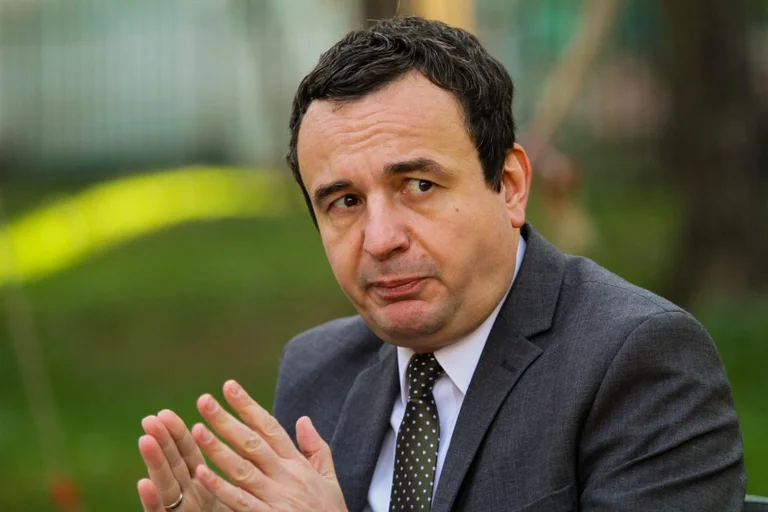
(2 years ago)During the morning of September 13th, Kosovo Prime Minister Albin Kurti participated in the discussion panel “Western Balkans and the global crisis ʹ new Storms or suns? ”, under the Forum for Balkan Integration 2024. Part of the panel were Montenegrin Deputy Prime Minister and Minister of Foreign and European Affairs [...]
During the morning of September 13th, Kosovo Prime Minister Albin Kurti participated in the discussion panel “Western Balkans and the global crisis ʹ new Storms or suns? ”, under the Forum for Balkan Integration 2024.
Part of the panel were Montenegrin Deputy Prime Minister and Minister of Foreign and European Affairs Filip Ivanovic, Bosnia and Herzegovina Presidency member Zeljko Komsic, EU Special Representative for Kosovo-Serbia Dialogue and Western Balkan Affairs Miroslav Lajcak, European Parliament MP Tonino Picula, and Slovenia's Foreign Affairs Minister Tanja Fajon.
During its address, Kurti expressed that the challenges facing the region are combined with the wider context of global change in various political and geopolitical aspects.
He added that Russia's aggression against Ukraine has revealed the risks stemming from authoritarian regimes. In the Western Balkans, Serbia today also reflects Russia's authoritarian style. Its strategy is to create tensions in Kosovo, and to seek Bosnia's division, using them as a negotiation tool with the West to ensure concessions and avoid necessary reforms”, the report said.
Kurti stressed that what is needed is Serbia's normalisation, which must be reconciled with the fact that the era of territorial enlargement and ethnic divisions has ended.
The prime minister stressed that Kosovo is committed to good neighbourly relations and regional co-operation and that it continues to work consistently towards NATO and EU membership as strategic goals.
Kurti added that Kosovo in the past three years has marked the fastest growth of democratic indicators in the region and high economic growth, indicating that democracy and economic development move side by side.