9 minutes ago
MEPs “debled” lacked 525 times in 29 sessions, KDI requires more commitment from the Parliament
Periskopi(2 years ago)
(2 years ago)The Kosovo Assembly during this session has marked a decline in its activity, where for a total of 13 weeks no sessions have been organised. From January to the end of July, the Assembly held 29 sessions, 10 of which were plenary sessions, and because of a lack of quorum, there were 7 follow-up [...]
There it was said that despite the KDI's continued recommendations for better and rational work planning, the agenda for all regular sessions was overloaded and never managed to tackle the whole.
As a result, the agenda provisions have continued to be delivered from session to session. The main cause for nonrealisation of the agenda remains the lack of needed quorum. Only at this session did MPs miss 525 times, or on average for every session, 24.3% of MPs were missing.
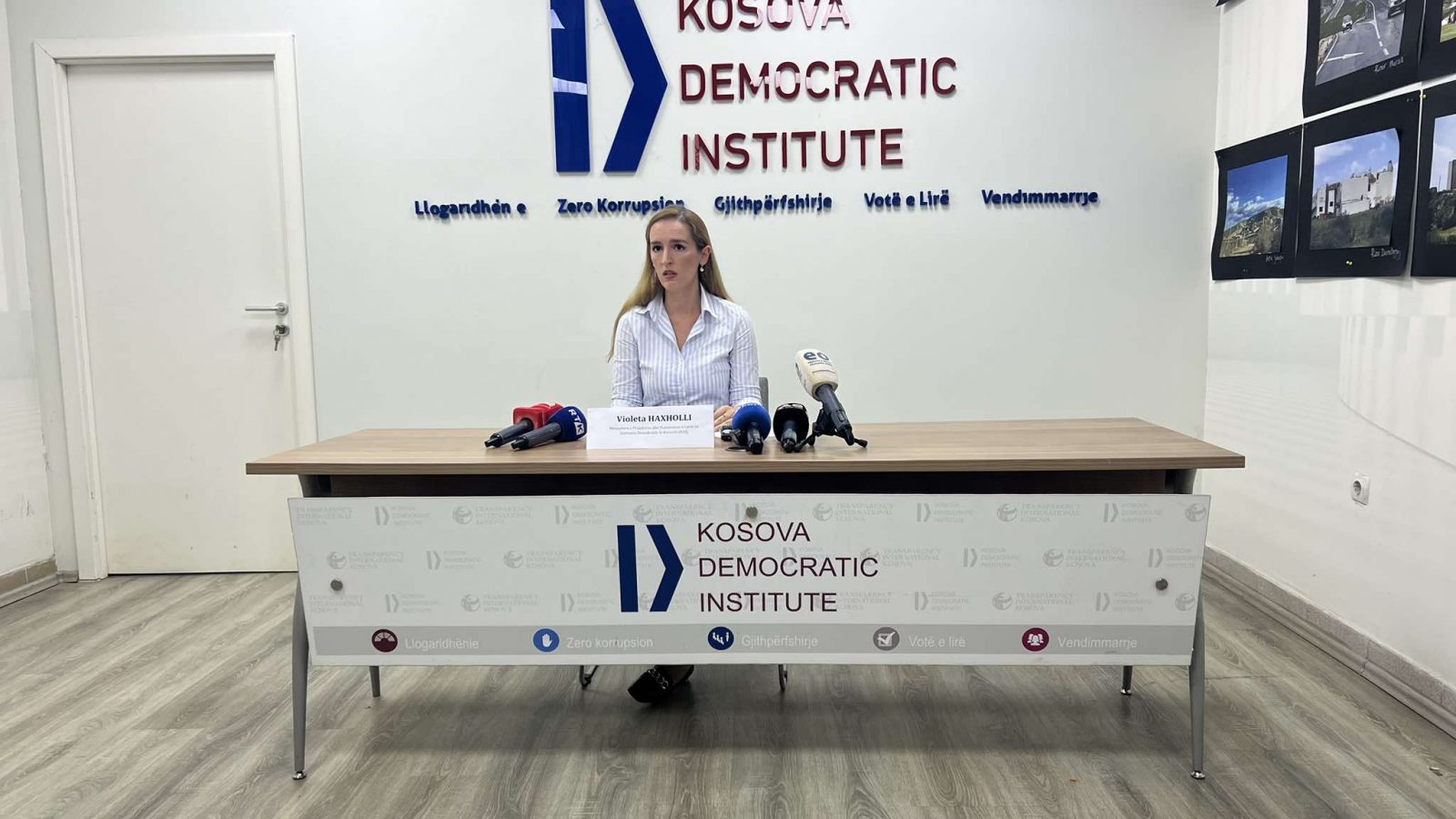
The senior researcher in KDI, Violet Hajoll, said that the Assembly during this session has marked a decline in its activity, stressing that 13 weeks of work have not been organised at all.
“During this session the assembly has shown common shortcomings, sessions which have been held or concluded many times in the absence of quorum, MPs who have been absent from the outcome of sessions, low supervision and few laws compared to past sessions. During this session, the assembly held a total of 29 sessions, 10 of them were plenary, 6 extraordinary and 6 solemn sessions”.
“The concern has been that in 13 weeks, the Assembly has not held a session at all due to the lack of MPs most of the hearings have not been completed, and this has continued to follow sessions and the collection of agenda points, so every session has had a huge agent and has failed to complete”.
36 bills have been adopted during the session, 35 of them bills and a draft. The number, which is lower than at a similar 2023 spring session when 44 bills, expressed in percentages, have fulfilled the agenda to 28 percent but which included bills that have accumulated over the years. Only three bills adopted by the spring session are of the government's 2024 agenda, which means that only one percent of the government's legislative agenda has been completed, and 99 percent of this agenda remains for treatment during the autumn session”, she said.
As far as parliamentary supervision is concerned, Hajoll added that during this session, no one was invited to the prime minister's report, and the intervention was not organised.
“However, MPs posed 110 questions for the Government, though the number of questions compared to last year's spring session was lower. The questions were repeated several times due to lack of responses from ministers, leading to an increase in the number of questions posed. The government in general offered only 33 answers, while responses have not been offered by Prime Minister Kurti, whose questions have been posed 36 times and some of the cabinet ministers, such as Minister Jelal Svecla, Minister Arberie Nagavci and Minister Roseta Hajdari. Minister Iron Murati has offered only two answers, though questions have been asked 28 times”, she said.
Hajoll also spoke of the main topics during this session, while they set aside discussions on the Bill for the Independent Media Commission, the new Bill for the Kosovo Prosecutorial Council after the Constitutional Court's act and the completion of the drafting of the Code of Conduct by the Commission for Legislation, but still awaiting final approval at the session.
The work of 14 parliamentary commissions during the spring session was concerted in a total of 193 meetings, including public hearings and supervisory hearings. While the investigative commissions held 36 meetings. Commissions invited executive representatives, on average, to report 15 times a commission report. Work on restoring the electronic voting system has continued during the session after a total of three years since it was out of office. This has led even at this session to vote “hand-to-hand”, which in some cases has questioned the exact number of votes. On the other hand, some of the commissions continued to fail to publish the processes and transcripts from committee meetings, as the Parliament's Encension predicts. While the Assembly continued to publish no information concerning the meetings of ad-hoc and investigative commissions. In the week of the start of the year session, KDI urges the Parliament to avoid shortcomings that have characterised the spring session and previous sessions, with actual planning of hearings and organisation of sessions every week, regular participation of MPs in the work of the Parliament, increased supervision of the executive, the more active role of the Parliament's chairman in implementing the Order, and ensuring the transparency of the Assembly towards the Serbian public<13>, Hajoli said.
In the end, KDI asked the Assembly to approve it during the autumn session, as well as the Deputies Code, which for several months is awaiting final approval.