8 minutes ago
Kupchan: Manufacturers in the North Serve Kurti, Not Kosovo
Periskopi(2 years ago)
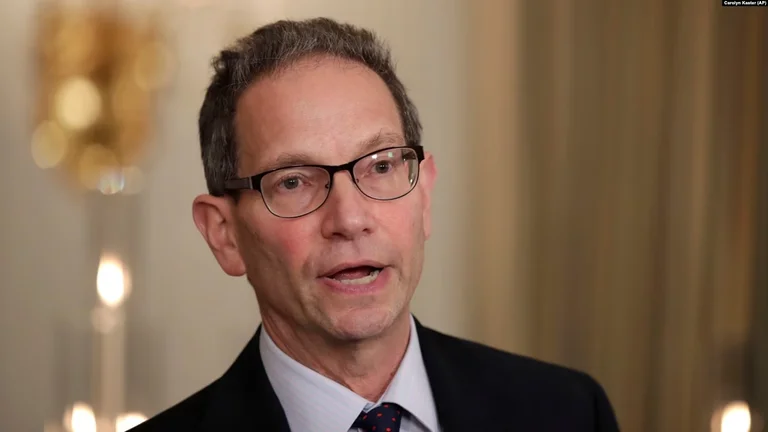
(2 years ago)Charles Kupchan, former director of European affairs at the US National Security Council, believes that the actions of the Government of Kosovo in the north of the country are motivated by domestic politics ahead of the February elections, but stresses they are dangerous for Kosovo. Last Friday, the government led by Albin Kurti closed [...]
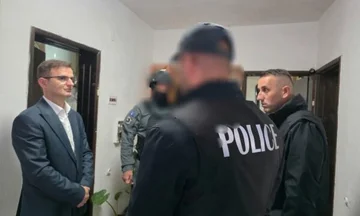
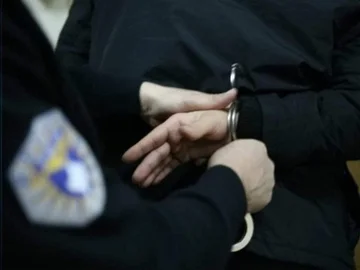
Last Friday, the government led by Albin Kurti closed down several parallel Serb institutions in the country's north.
The event prompted NATO, the European Union, the United States and other Western countries' response, which they described as the packaged “ ” with Western allies and security risk.
For me, these are internal policy-level gestures and maneuvers, which could be good for the political fate of [Prime Minister Albin] Kurti, but not good for Kosovo”, Kupchan says about Free Europe Radio.
According to him, Kosovo must balance its exercise of sovereignty with the aim of normalising relations with Serbia and becoming a member of the EU and NATO.
Radio Free Europe: Kosovo faced some of the fiercest international criticism against it at the weekend, following the closure of several Serb parallel institutions in the north. The US said the move reflects “the deterioration of our relations”. NATO said, too, disappointed. How serious do you think the situation is?
Charles Kupchan: I think it's particularly disturbing, because it comes after a series of steps the Kurti Government has taken since it came to power and which have hampered dialogue with Serbia and jeopardised relations with the United States and the European Union.
Whether the ban on the use of the dinar or the obligation to change the license plates, the attempt to open the Ibër Bridge, the unilateral attempt to install the mayors in the north, even though they were elected by a small minority of voters, or now the closure of these parallel institutions... these are no useful steps.
But now that elections in Kosovo have been announced for February, I think Kurt is positioning himself to do well in that process.
We know that everywhere in the world, but especially in the Balkans, nationalism works well.
I think Kurt's doing just that. But, according to my assessment, it is short-lived, because it undermines Kosovo's support in the international community and does not help advance dialogue with Serbia on the contrary, brings it back.
For me, these are internal policy-level gestures and maneuvers, which may be good for Kurt's political fate, but are not good for Kosovo.
Radio Free Europe: But how much does this pressure on Kosovo make sense when it is known that there is an agreement reached in Brussels to eliminate parallel structures?
Charles Kupchan: I think it makes sense because [of the Ohrid Agreement] frames that were then created by the EU, and for which Kurti and [Serbia's president, Aleksandar] Vuciq has agreed, even though they haven't signed it, based on reciprocity, on moving forward together rather than separately.
Criticals are necessary. Kosovo and Serbia have difficult elections to make. Their leaders face internal incentives to do exactly what Kurt is doing. And, criticising Pristina from abroad, the international community creates incentives for Kurti, for Vuciqi, for others to move in a more constructive direction. So it's not just a simple criticism, it's a criticism that aims to regulate the policies that the parties follow.
Radio Free Europe: How bad can things go?
Charles Kupchan: We've already seen outbreaks of violence. I don't think we're going into a major violence, but it's not disfellowshipped. We have seen that KFOR has also increased the level of force. In the last few days, I've seen pictures of bodies standing between Ibër Bridge. I suppose they may have been worried about the possible passage of activists who would try to stir up trouble.
It's a tense moment, and for me this is one of the reasons why the international community has raised the level of vigilance.
Radio Free Europe: Could the US or NATO turn their backs on Kosovo?
Charles Kupchan: I don't believe this is a turning point in supporting the West for Kosovo. But it is important that Kosovo citizens take into account the fact that if it were not for the United States' efforts, the efforts of NATO and European partners of America, Kosovo would probably not enjoy independence today.
As a result, you do not want to risk external support, which in many respects is essential to your security and stability as an independent country.
Radio Free Europe: Do you think the Government of Kosovo can find any among them to extend legitimacy and sovereignty, even preserve good relations with the international community?
Charles KupchanThe reality is that the steps Kurt is taking are not unreasonable from the standpoint of the exercise of sovereign power. What Pristina is doing would make any sovereign government.
If in Texas, for example, Mexico opened parallel institutions and offered health care, security, and other types of municipal service, the United States would not be happy and, in fact, shut down those parallel institutions.
So, from the prospect of political and legal authority, what Kurt is doing makes sense. But the problem is that Kosovo is not found in a quiet environment.
It lies in a tense environment, in a difficult region, amid very difficult negotiations with Serbia for its recognition, for its entry into the international community of nations as a country that would be accepted by all.
Under such circumstances, I think it is up to the leader whoever he is to balance the exercise of sovereignty, political and legal rights with the aim of normalising relations with Serbia and becoming a member of the EU and NATO.
Radio Free Europe: But, Kosovo also feels that it is not treated equally by the international community. That criticism of the European Union has reiterated President Vjosa Osmani on Saturday when she said Kosovo has no equality in the dialogue process with Serbia. How would you comment on these claims?
Charles Kupchan: I think we should always consider the end. At any given front, whether for the dinar, license plates or for parallel institutions, Kosovo has the right to say that you are not treating us with justice, that we want to be a country like any other country.
But, on the other hand, if Kosovo's behaviour is judged by the prospect of whether it helps it, leads to the finish line, as well as brings the Balkan Peninsula closer to pluralism, multiethnicity, stability and integration into the Atlantic institutions, then there is another answer to those steps that are not useful.
Given the fact that the international community has its eye on the ultimate goal, I think criticism of the government in Pristina is justified.
Radio Free Europe: You mentioned the bridge before. The international community has warned Kosovo against opening its vehicle circulation at this moment. In view of recent events, is it real to expect that Kosovo can make such an action these days?
Charles Kupchan: I think recent events make the bridge's unilateral opening even more dangerous. Because, the closure of parallel institutions will certainly mobilise the majority Serb population in the north to be vigilant, to say you are doing things that threaten our quality of life and our ties with Serbia. So it is not time to take steps that, potentially, could lead to clashes between ethnic Albanians and ethnic Serbs.
Radio Free Europe: The EU's envoy for Kosovo-Serbia dialogue, Miroslav Lajcak, has warned on Sunday of new efforts to renew Kosovo dialogue, Serbia. Do you think there might be any results?
Charles KupchanSooner or later, yes. Probably later. For now, it does not seem that we are in a situation where there is constructive efforts by Pristina and Belgrade. The last round of negotiations in which Kurti and Vuciq had to meet has never been held. That's not a good sign.
With the approach of elections in Kosovo, I doubt we will see any approach differently from Pristina. Consequently, I think progress in dialogue will probably have to wait for the February elections.