5 minutes ago
Hezbollah confirms the leader's death until Lebanon cabinet meets at an emergency session
Periskopi(2 years ago)
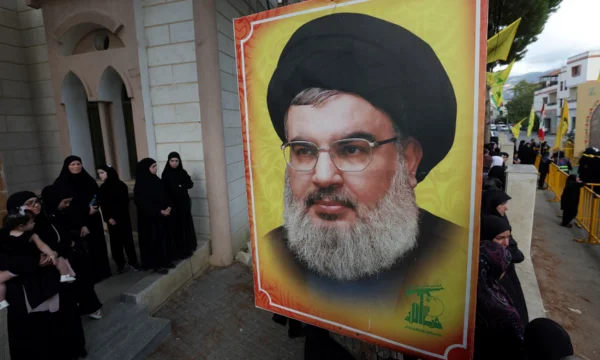
(2 years ago)Hezbollah has issued a statement confirming the death of its secretary-general, Hassan Nasrallah, who was killed in an Israeli air strike in the southern suburbs of Beirut on Friday, ending his 32-year mandate as leader of the group. The group said in a statement: its “Eminence, the master of resistance, [...]
Hezbollah has issued a statement confirming the death of its secretary-general, Hassan Nasrallah, who was killed in an Israeli air strike in the southern suburbs of Beirut on Friday, ending his 32-year mandate as leader of the group.
The group said in a statement: its “Eminence, the master of endurance, the righteous servant, has passed away to be with his God who is pleased with him as a great witness. Hezbollah's leadership vows ... to continue its jihad in confronting the enemy [Israel], supporting Gaza and Palestine and protecting Lebanon and its steadfast and honourable people”.
The statement did not mention who would succeed Nasralah, or how the group would respond to the murder of its leader, who led many years, writes The Guardian, broadcast the Express newspaper.
Hezbollah added that he will continue his fight against Israel.
The Lebanese Army was deployed throughout Beirut on Saturday afternoon, making guards at major intersections across the city, likely pending popular reactions to the Nasrallah assassination.
The lines were established at the Beirut supermarkets as people rushed to buy basic goods such as water and dry food, while people waited in line outside ATMs. The sound of Israelite drones with low flight patrolled Beirut's skies was a constant sound throughout the day.
Lebanon's cabinet announced that they would meet for an extraordinary session at 7:30, local time, in response to the events of the two last days.
Lebanon's cabinet refers to the Lebanon Council of Ministers is the executive body of the Republic of Lebanon. Its president is the prime minister of Lebanon and is appointed by Lebanon's president and Lebanon's prime minister. The appointed government must also pass a vote of confidence in the Lebanon Parliament.