4 minutes ago
Chief on the run NATO urges allies “to pay the price for peace”
Periskopi(2 years ago)
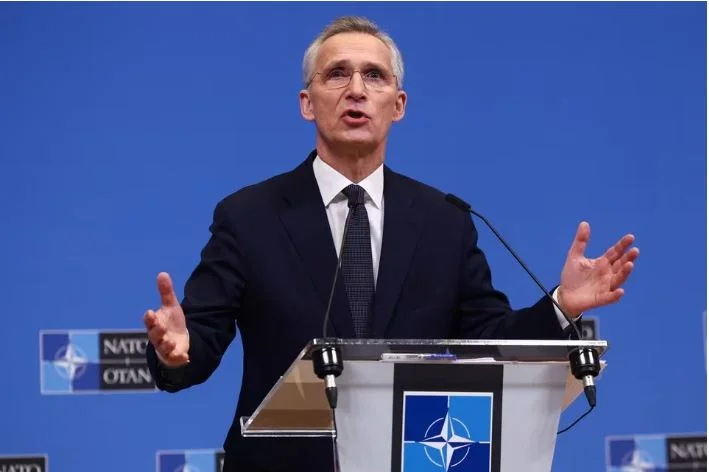
(2 years ago)In his farewell word after leading NATO for a decade, Jens Stoltenberg warned NATO member states to be united and said they must certainly be “to pay the price for peace” in front of a bold Russia. Speaking at NATO headquarters in Brussels on 19 [...]
Speaking at NATO headquarters in Brussels on 19 September, Stoltenberg unveiled the results since taking over the alliance in 2014, as well as current challenges.
The good news is that we have fulfilled the pledge made 10 years ago [that member states spend 2 percent of their GDP on defence], but the bad news is that this is not enough in”, Stoltenberg said, implying that the cost limit of 2 percent will not be enough to protect the alliance against Russia.
We should be willing to pay the price for peace. More money, stronger protection, the more efficient our defence, the greater our security”, he said.
The 65-year-old Norwegian warned member states not to exchange short-term economic interests for long-term security needs”, saying “proposed against allies does not protect our security”.
Speaking of Russia's fight against Ukraine, which has caused disagreement among some members who have questioned NATO's strong support for Kiev, Stoltenberg said “Ukraine must face Russia from a powerful” position.
Any future peace agreement between Ukraine and Russia, he said, “should be backed by strong and sustainable military support, not merely by letters”.
He also warned that the “military power has its borders,”, saying that “the purpose of any future military operation outside NATO territory should be clearly defined”.
“We need to be honest about what we can and cannot reach”, he said.
Stoltenberg, former prime minister of Norway who will return home to become governor of the Central Bank, will hand over former Dutch Prime Minister Mark Rutte's post on October 1st.
In his recent months in office, Stoltenberg has tried to bring NATO members together, as Hungary has presented obstacles to the alliance's support for Ukraine, while Prime Minister Viktor Orban has said it will not provide funds or military equipment to help Kiev. / REL/