7 minutes ago
How will Bektasan's “Vatican” work in Albania?
Periskopi(2 years ago)
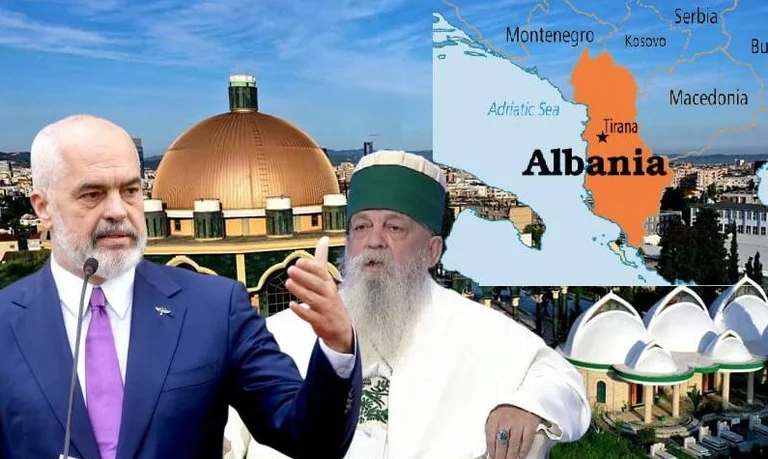
(2 years ago)An unusual initiative is taking shape in Albania, where Prime Minister Edi Rama has recently announced that the creation of a Vatican-style state for the Bektash community is being planned. According to a recent New York Times article, this project aims to promote religious tolerance and offer a sovereign enclave [...]
According to a recent New York Times article, this project aims to promote religious tolerance and offer a sovereign enclave to members of this belief, making it the smallest state in the world, within Albanian territory.
Father Monday, the leader of the Bektas, will play a key role in this microstate. He is an influential figure not only in Albania but also throughout the Bektasian world. His plan to manage a 27-acre territory in Tirana aims to create a free and tolerant environment, where each individual can express his faith without fear of punishment. God stops nothing; that's why he gave us the mind,” he expresses, stressing his liberal approach to religion.
Father Monday has expressed the desire to create a community that promotes interreligious coexistence and harmony. Prime Minister Rama emphasises that this entity will send an important message to challenge stereotypes on Islam, providing a moderate model that promotes co-existence and harmony. This is not a property issue, but a spiritual issue,” he declares, underlining the importance of spiritual values on material interests.
Comparison With the Vatican
Similar to the Holy See, which the government from the pope as an absolute monarch, the Bektashi state will have its authority and manage the territory with specific rules reflecting its values. Unlike the Vatican, which is known for its rigid traditions and hierarchical structure, Father Monday expresses a more liberal approach. He plans to allow alcohol, support the lifestyle, and encourage women to put on whatever they want, granting them freedom to express their identity.
This open approach is in stark contrast to some of the strongest interpretations of Islam, and Baba Monday says he is committed to coping with extremism. “Muslim extremists who place bombs and use violence to spread their version of the faith are simply cowboys,” he says.
However, unlike the Vatican, which has a long history of international recognition, the new Bektas state may face challenges in establishing legitimacy and global recognition.
A country that is very unlikely to recognise him is Iran, which has many largely secretive followers of Sufi Islam, including several Bektasinists, but sees itself as the keeper of Shiite Islam, reports the New York Times.
“Iranians are truly my last opinion,” says Rama, despite this, stressing that Albania has severed diplomatic relations with Iran in 2022 following the cyber attack on the Albanian government.
Establishing this microstate will take time and effort to realise, including possible property negotiations and support from international allies. Rama admits that “maybe everyone will say: This is crazy”, but he is determined to move forward with this initiative, hoping to offer a new pattern of coexistence. He says disputes over property ownership would only undermine the state's purpose as a “co-existence model”.