8 minutes ago
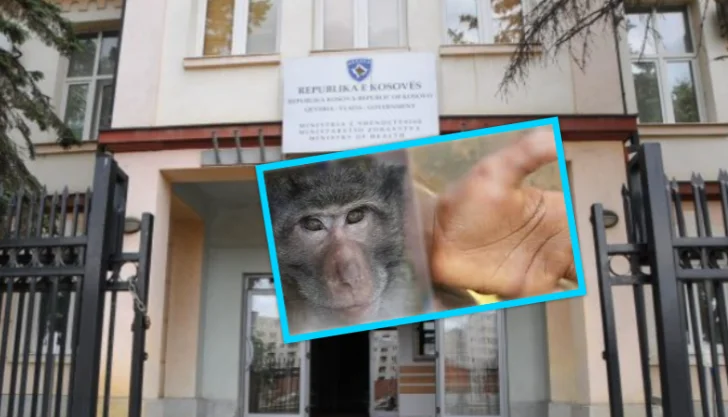
Monkey Lee, I KSHP gives advice to citizens travelling to African countries
Periskopi(2 years ago)
(2 years ago)IK The KPS has come up with reports of how to protect ourselves from Monkey Lee, especially citizens traveling to countries of Africa affected by Moses. According to IKSHP, the recommendations below help protect health during travel. Full announcement: Council for Travelers from Kosovo to African countries affected by MPox i BAR In [...]
IK The KPS has come up with reports of how to protect ourselves from Monkey Lee, especially citizens traveling to countries of Africa affected by Moses.
According to IKSHP, the recommendations below help protect health during travel.
Full announcement:
Council for Travelers from Kosovo to Maples of Africa
in the new risk assessment of MPox (also known as Monkey Lee), the European Center for Prevention and Control of Diseases (ECDC) has estimated that it is most likely that in EU countries there are more imported cases of mporx caused by the I virus, which currently circulates in Africa and one of which has been recorded in Sweden. However, the likelihood of continued transmission to Europe, according to E The CDC is much lower on condition that imported cases are quickly diagnosed and control measures implemented.
iBAR: Although travel links between Kosovo and African countries, affected by MPox, are rare, given recommendations the ECDC has given to EU states, The IKSHPK gives travel councils to citizens from Kosovo, which for whatever reason falls to travel or stay in African countries affected by Opox.
)
1. Be informed about the situation about MPox in countries affected by infection: The OBS and ECDC provide up-to-date guidelines for the epidemiological situation in the affected states.
2. Practice the hygiene of your hands during your journey and attitude: Wash your hands often with water and soap for at least 20 seconds, or use hand disinfectant with at least 60% alcohol.
3. Avoid contact with animals and infected people: Do not contact wild animals such as monkeys, rodents, and others.
4. Stay away from infected materials used by sick people: Like. Clothes, beds, towels, or materials used in health care facilities.
5. Avoid sexual contact if you or your partner have symptoms until you have a negative test result.
6. Prevent infection: Use masks, especially in closed or crowded spaces, and avoid direct contact with infected body fluids or wounds.
7. Vaccination: If vaccination is possible in the country where you travel, then get vaccinated, since some smallpox vaccines can offer protection against mpotx.
8. Take care of food and water: Drink only well - cooked water and eat well - cooked food to reduce the risk of other infections that can make your health worse.
9. Isolation in case of symptoms: If you develop symptoms similar to that of mpox (here, fatigue, muscle pain, rash...), isolate yourself immediately and seek medical help.
10. Check your health after your trip: After returning, monitor your health for 21 days. If you develop any symptoms, seek medical assistance immediately, inform your doctor of your travel history, and test yourself!
These recommendations are intended to minimize the risk of infection and to help protect your health during your trip.