3 minutes ago
CIA chief's visit to Kosovo, how this service had informed the White House of Serb troops at the border
Periskopi(2 years ago)
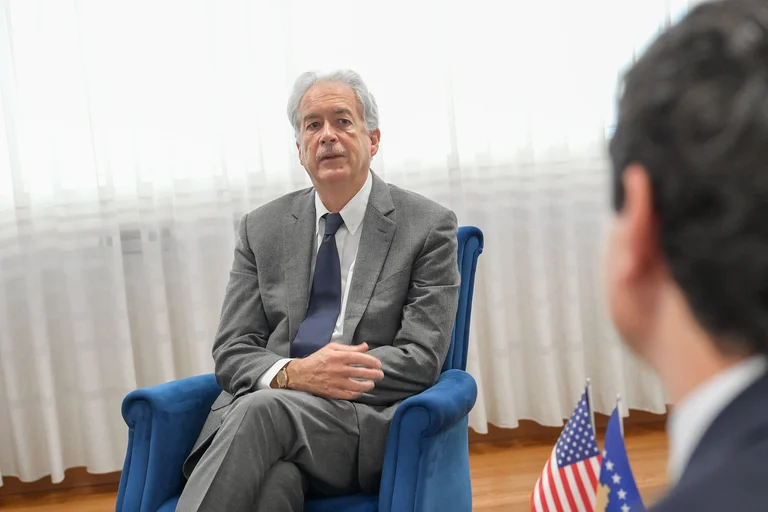
(2 years ago)U.S. Intelligence Central Agency chief William Burns completed a two-day visit to Kosovo on an unprecedented trip to the region. After going to Bosnia and Herzegovina and then to Serbia, Burns also came to Kosovo, where he held meetings with Kosovo state leaders and intelligence leader. The visit was considered historic, [...]
After going to Bosnia and Herzegovina and then to Serbia, Burns also came to Kosovo, where he held meetings with Kosovo state leaders and intelligence leader.
The visit was considered historic, while Kosovo security, intelligence and Government were told they are committed to advancing co-operation with the CIA.
“Brend the White House Programme to share America's secrets” was the title of a “Time “> article in February, when this medium described events on September 27th, when Serbian forces had gathered near the border with Kosovo.
As such time, the United States of America had been alarmed, asking Belgrade to step back.
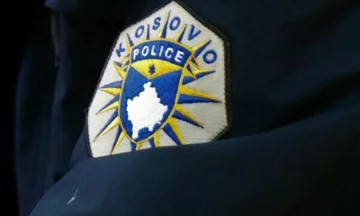
The Serbian movement had come only three days after the terrorist attack in Banjska, where a group of Serbs armed in charge of Milan Radociq, then vice president of the Serbian List, attacked the Kosovo Police, killing police African Bulnjak, later declared hero by President Vjosa Osmani.
But prior to the American reaction, the institutions were alarmed by the CIA. Time magazine quotes an official of the American National Security Council (NSC).
Below the rest of the description from “Time”:
The question was what to do. Months of mounting tensions in a remote corner of Southeast Europe had not received much attention in the media. The diplomatic efforts of the United Kingdom, Italy and other troops in the field in Kosovo had failed to calm the situation. In Washington, attention was focused on chaos in Congress; for most of Europe, the main priority was the sharing of continued support for Ukraine. Thus, as part of an effort to pressure Serbia to step down, US National Security Adviser Jake Sullivan approved a request by his team in Europe to declassify the elements of the Serbian gathering for publication.
Intelligence Directorate The NSC edited classified collection details to obscure sources and methods after intelligence. Then he submitted the request to the National Intelligence Director's office (ODNI) in Northern Virginia through classified email. On September 29, after a two - day jumble to clean up the declassification, the spokesman NSC John Kirby made an unplanned Zoom with members of the White House press body. Kirby provided new information on the September 24th attack on Kosovo police officer and delivered news of the recent Serbian dislocation, revealing that it included advanced artillery, tanks and mechanised infantry units. As coverage increased, European countries joined the US in exercising new diplomatic pressure on Serbs, and the United Kingdom announced an additional deployment of troops in Kosovo. Within days, Serbian troops were withdrawing.
Declaration and the release of Serbian troops' movements is an example of a new White House approach to the use of intelligence that has been increased by the US response to the war in Ukraine. Starting in autumn 2021, as American spies became convinced that Russia was preparing to invade, Sullivan worked with the Director of National Intelligence, Avril Haines and CIA Director William Burns to lower the profile of classified Moscow movement details. “We were sitting on this disturbing information,” says Maher Bitar, the co-ordinator of the NSC for intelligence and defence policy, “and we had to come out before what the Russians would do”.