5 minutes ago
BBC writes about Kosovo with British citizenship that Serbia is keeping in prison, lawyer: Invented Cases
Periskopi(2 years ago)
(2 years ago)The family of a British man held in a Serbian prison is calling for more help from the United Kingdom government, claiming the charges against him are groundless and politically motivated. So begins the BBC with a writing today for the Albanian, with English citizenship being held in detention in Belgrade. [...]
The family of a British man held in a Serbian prison is calling for more help from the United Kingdom government, claiming the charges against him are groundless and politically motivated. That's how you start it. BBC a letter of it today to the Albanian state-owned Albanian who is being held pre-prisoned in Belgrade.
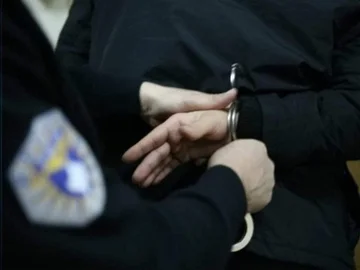
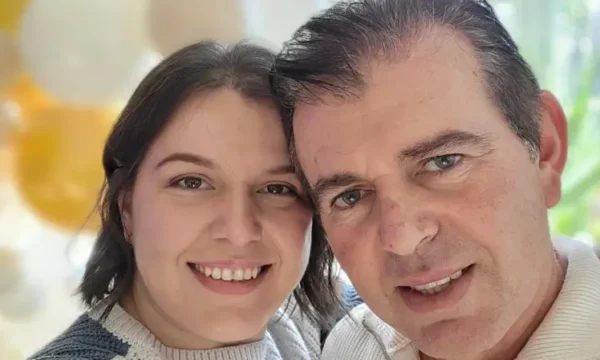
Sadik Duraku, 54-year-old father of three children from Brighton, was arrested on April 17th 2024 while traveling to visit relatives in Kosovo.
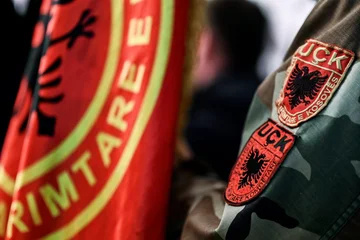
He is currently being held in a Belgrade prison, accused of committing war crimes as a member of the Kosovo Liberation Army (UÇK) in the 1990s é accusations his family and legal team deny.
The Foreign Office, Commonwealth and Development of the United Kingdom (FCDO) said: “We are supporting a British arrested in Serbia and we are in contact with local authorities”.
Mr. Duraku was born in Kosovo, which was then part of Yugoslavia.
In 1998 he and his family were given asylum in the United Kingdom while the war was raging in his country.
He became a British citizen in 2002 and built a life running an auto-free business before retirement due to poor health.
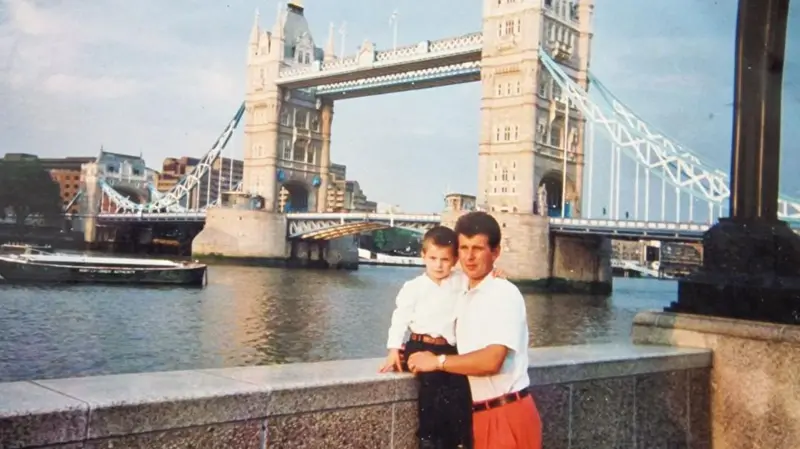
Arrest
In April, Mr. Duraku was arrested while crossing the Serb-Hungarian border a trip he had made many times before.
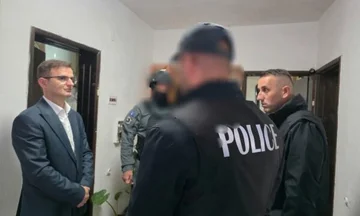
This time around, he was detained by Serbian border police and charged with war crimes allegedly committed when he was in the KLA.
That same day, more than 1,000 were detained by Serbian authorities, but only a small number were eventually charged.
Initial charges against Mr. Duraku accused him of participating in war crimes against the local population in 1999.
His family is convinced that these charges are unfounded and say he was not involved in war at all, not a member of the war. The KLA and has not participated in any violence.
We were cursed “, said Zana Duraku, his daughter.
The family has gathered extensive documentation to prove that it was in the United Kingdom and did not possess the necessary documents to leave the country from December 1998 until obtaining citizenship in 2002.
Paper
United Kingdom-based Durak's lawyer, Michael Pollak from Justice Abroad, said the whole issue rests mainly on a letter.
Apparently by a Serbian individual “who is supposed to live in Germany”, that letter is attributed to someone who “does not seem to be a real person”, said Mr. Polish.
He said the letter does not appear to be from a real address and contains calls for them “tured” Mr. Duraku until “comes the truth out of him”.
Polack claims that “is too unusual to base a case for a crime as serious as war crimes in this type of document”.
War crimes cases usually “have files and files and evidence files on moves and operations”, he said.
The lawyer claims that the letter or “was coined for these procedures or was made by someone in anger against Mr. Duraku.
“This is a war crimes charge based on this really weak testimony of this letter”, he added.
This is somebody with health problems, someone who needs to be released on condition that he returns to the United Kingdom”.
Regional Tensions
Polack said it's hard to say “what the motives were in this case.
Tensions between Kosovo and Serbia remain high, regardless of the end of the war in 1999.
Serbian President Aleksandar Vuciq has repeatedly pledged that Serbia will never recognise Kosovo as an independent state.
The Kosovo government wants to exercise authority over all of Kosovo, but ethnic Serbs living in the northern region, on the border with Serbia, are resisting this movement, demanding greater autonomy.
The Public Prosecutor's Office for War Crimes in Serbia did not respond to the BBC's request for comment.
In its National Strategy for Combating War Crimes, the Serbian government stresses that Serbia “effectively provides adequate investigation into the accusations and equal treatment of suspects” and that “efficient war crimes regimes” are an integral “part of rule of law and a feature of democratic societies”.
Stefan Jovanovic from the Centre for International Relations and Sustainable Development, a Belgrade-based think-tank, defended the Serbian treatment of war crimes cases, saying the country has “a great experience” and he expected Mr. Duraku have a fair trial.
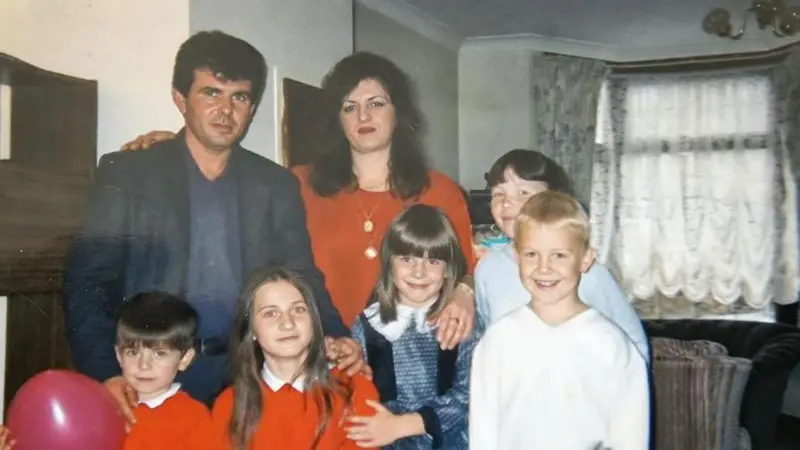
Under Serbian law, a defendant in Mr. Duraku can be held for six months until the prosecution builds her case and decides whether to proceed with a trial.
Family fears and concerns are further exacerbated by Mr. Duraku.
Recently, he has suffered a heart attack and requires therapy that his family has handed over during visits to the prison in Belgrade.
Mrs. Duraku says the stress of detention is making him very difficult. He's getting very, very weak and very scared”, she said.
She added: “is breaking us up because we're all so destroyed. There's no moment of the day where you're not stressed out for this”
The family feels that the United Kingdom government has not done enough to intervene.
He is British and so we thought that our government would protect his rights and take care of him, but he didn't, and we are forever disappointed at each step”, said Mrs. Duraku.
FCDO told the BBC that it was offering assistance to Mr. Duraku was in contact with his family.
He also said FCDO officials had visited Mr. Durac in custody.