2 days ago
Don't use Wi-Fi public networks in Paris
Periskopi(2 years ago)
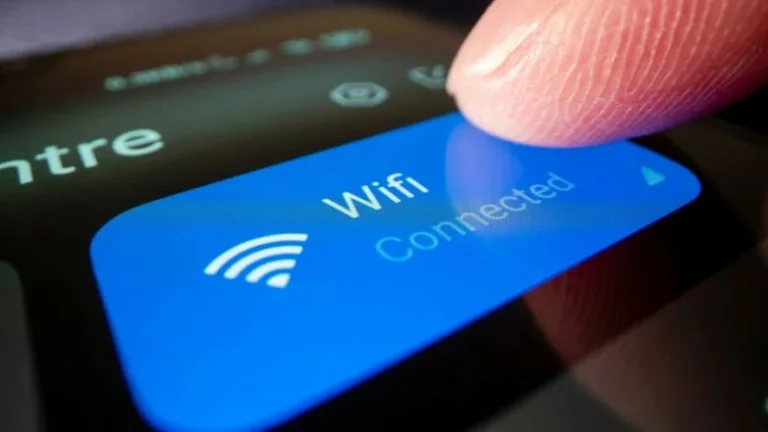
(2 years ago)Ahead of the Summer and Paralympic Olympics, Caspian experts analyzed about 25 thousand free Wi-Fi hot spots in Paris. The analysis revealed that nearly 25 percent of these networks have poor or no encryption, making all related ones vulnerable to stealing personal and banking information. [...]
The analysis revealed that nearly 25 percent of these networks have poor or no encryption, making all related ones vulnerable to stealing personal and banking information. Only six percent of these networks use the latest security protocol WPA3.
The upcoming Paris Olympic Games, the first summer games since the removal of restrictions on visitors due to pandemic, are expected to attract thousands of tourists. Before the event, researchers from the GrAT team Caspersky's Global Research and Analysis Team drafted and praised the safety of the Wi-Fi open networks available to visitors.
Researchers analyzed 47,891 signals at the city's well-known sites and Olympic venues in Paris, identifying 24,766 unique Wi-Fi access points. Tests have shown that one quarter (25 percent) of these networks have serious security weaknesses, such as poor or nonexistence encryption, which makes them vulnerable to attacks by cyber criminals or hackers, who can simply take control of them and endanger the safety of all related devices.
Moreover, nearly one in five networks (20 percent) uses the WPS defence system, an outdated algorithm whose security is easily compromised, making them very vulnerable to the WPS attacks that could lead to loss of data. Only six percent of the networks analyzed use the latest security protocol WPA3.
Using a virtual private network (VPN) provides an additional level of security for those entering the Wi-Fi open networks. A VPN codes your Internet connection, creating a secure tunnel between your device and the internet. This encryption prevents cybercriminals from tracking data, even on unsafe networks. masking your IP address and encryption all transmitted data, a VPN ensures that personal and financial information remains protected during the use of the Wi-Fi public.
These are the recommendations of cyber security experts:
Avoid sensitive transactions: Stick to access to bank accounts or other sensitive ones when you're in the Wi-Fi public.
Confirm network: Make sure the network is legitimate by confirming the location or organization that offers it.
Activate Firewall: Make sure the fire wall of your device is active to block unauthorized access.
Use strong passwords: Always use strong, unique passwords, and activate two - factor confirmation for additional security.
Update your software: Regularly update your operating system, antivirus applications and programs to protect against recent threats.
Disable file sharing: Disable file sharing and AirDrop in your device to prevent unauthorized access. /Telegraphy/