5 minutes ago
Sharks in Brazil “have” for narcotics, come up positive, scientists redeem the phenomenon
Periskopi(2 years ago)
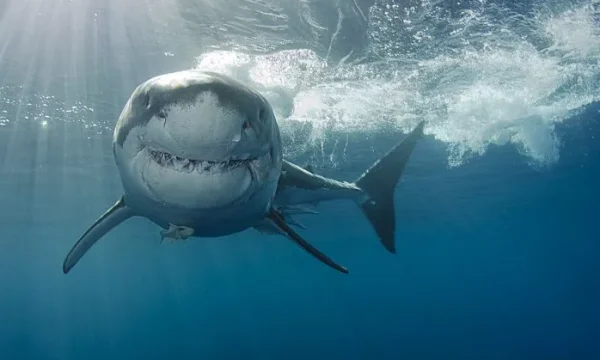
(2 years ago)Marine biologists tested 13 Brazilian sharks off the coast near Rio de Janeiro and discovered that they had high levels of cocaine in their muscles and liver. Focuss were up to 100 times higher than previously reported. The study conducted by the Oswaldo Cruz Foundation is the first to reveal [...]
Focuss were up to 100 times higher than previously reported. Research conducted by the Oswaldo Cruz Foundation is the first to reveal the presence of cocaine in sharks.
Experts believe cocaine is entering the waters through illegal drug - producing labs or through other remains.
Pacot of lost or thrown by traffickers at sea may also be a source, though this is less likely, researchers say.
According to them, additional observations are said to be necessary to see if cocaine is changing shark behavior, since it has been found that drugs have the same effect on humans.
Last year, chemical compounds such as bezoylecgonine, produced by liver after cocaine, were found in sea samples collected on the southern coast of England.