5 minutes ago
UN: Russia aims to destabilise Western Balkans, United States concerned tensions in north and Bosnia can become serious
Periskopi(2 years ago)
(2 years ago)The United States said Russia is seeking to exploit interethnic tensions in the Western Balkan region, in order to create <x0-cystability and prevent the region's integration into Euro-Atlantic institutions”. It is clear that Russia does not support the same European future for the states of the Western Balkans region that they themselves have [...]
The United States said Russia is seeking to exploit interethnic tensions in the Western Balkan region, in order to create <x0-cystability and prevent the region's integration into Euro-Atlantic institutions”.
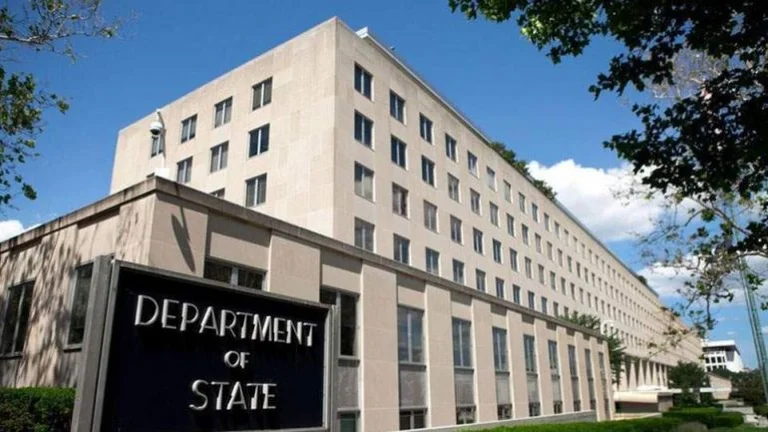
It is clear that Russia does not support the same European future for the states of the Western Balkans region that they themselves have chosen and that people in the region deserve”, said an American State Department spokesman for Radio Free Europe.
The UN said that due to Russia's goal, Washington is working with Western Balkan states to strengthen regional co-operation and advance reforms “that would reduce the possibility of Russian mountain influence and bring peace, stability and prosperity to the region”.
Russia's alleged aggression against Ukraine highlights the urgency and importance of these priorities”, the UN said.
In Kosovo political leaders have recently intensified their warnings that Serbia is preparing for an attack or provocation against Kosovo. But whenever Kosovo authorities speak of such a threat, they do not overlook Belgrade's ally Russia, which they say is interested in destabilising the north of Kosovo and the region.
Knowing of developments in the Balkans, told earlier this week REL that Belgrade ally Moscow is aiming to distract the attention of the West from its war in Ukraine, and major powers must send Serbia a clear message that if it acts in northern Kosovo, NATO will react.
Also, US Assistant Secretary of State for Europe and Asia James O'Brien named Kosovo's inhabited north by Serb majority and threats to secession of a part of Bosnia and Herzegovina as the main security risks in the Western Balkans.
In the north, tensions have been mounting since last year, meanwhile in Bosnia and Herzegovina, authorities in the entity of Republika Srpska have been threatening secession.
spokesman The UN said the US continues to be concerned that local tensions could escalate into serious political tensions in the region.
“We remain concerned about the danger of local tensions becoming serious political tensions that can scan the countries of the region, such as in northern Kosovo, and given the threats of secession in Bosnia and Herzegovina. We are continuing to work with all sides to minimize these risks”, the UN spokesman said.
Reports of developments in the Balkans have said that there can be no exception for the possibility of tension in northern Kosovo as tensions culminated in this part of Kosovo last year after a group of armed Serbs attacked the Kosovo Police, killing a sergeant.
Ivana Stradner, senior researcher at the Washington-based Foundation for the Protection of Democracy, told the REL that the threat of a possible escalation in northern Kosovo “is large and true”, because Russia, which does not recognise Kosovo's independence, is seeking to distract attention from the war in Ukraine.
But, Stradner said he does not believe that there will be a wide-scale conflict in the Western Balkans, like the one in Ukraine. However, it claims that there are activities in the Balkans that can be considered “hybrid war”.2