11 minutes ago
Kurti: Threats to Kosovo security are on the rise
Periskopi(2 years ago)
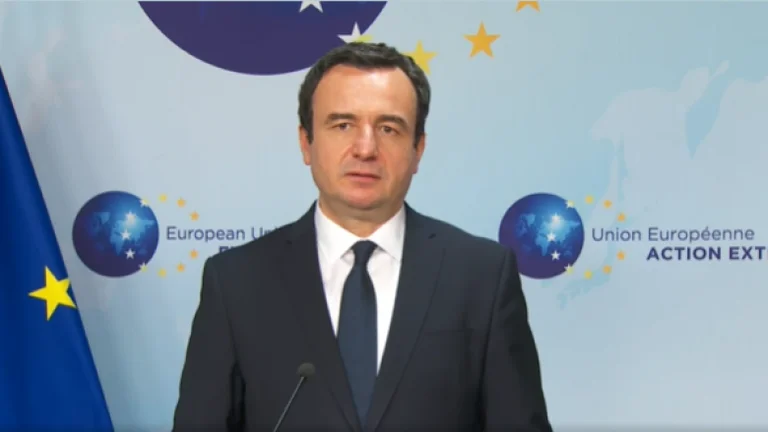
(2 years ago)Kosovo Prime Minister Albin Kurti has alarmed, saying threats to Kosovo's security are on the rise. According to him, a new front in the Balkans would serve Russia and Serbia. In an opinion published in the New York Times “, when he spoke of NATO's role in Kosovo, Kurt has even mentioned [...]
In an opinion published on “The New York Times”, when talking about NATO's role in Kosovo, Kurti has even mentioned the terrorist attack on Banjska, which was named destabilising by the US.
“However, even though Kosovo's democracy is on the rise, threats to its security are also on the rise. In September, the heavily armed Serb paramilitary troops, which we believe came from Serbia, took positions at the Banjska Orthodox Monastery, in what the US government called highly organised efforts involving sophisticated weapons. Serbian military forces mobilised near our border, a move named by the United States as CHAdestaki.
Among other things, Kurti has issued charges in Serbia's direction for obstructing the integration of Serbs to Kosovo.
“in 2017, Aleksandar Vuciq, former minister of propaganda under Milosevic's leadership, became president of Serbia. Its rise marked a turning point in Milosevic's authoritarian, ethno-nationalist policy, especially in the type of expansionist. Belgrade's authoritarian policy made life especially difficult for ethnic Serbs in Kosovo. They had to play their part as minorities in a new country with a population of approximately 93 percent ethnic Albanians and 7 percent other minorities, including Roma and Turks. Serbia has prevented this integration. It took courage for ethnic Serbs to join institutions and become active participants in the country”.
While citing the increase in NATO troops' presence in Kosovo last year, from 3770 to 4500, Kurti said Kosovo is recognised as the most democratic country in the Western Balkans and has made such a big contribution. NATO.
“This transformation has not been achieved only as a consequence of NATO's actions; efforts by many parties have been required, and most importantly, the determination of the Kosovo people, who engaged in the political process. But NATO made this reality possible and it is no coincidence that war in Ukraine marks the first major European war in over 100 years, in which Western Balkan countries have not participated. Peace is hard and dynamic work, it must constantly be maintained”.