4 minutes ago
Kosovo with 200 thousand fewer residents, Hoti blames power: This census was postponed for a year due to Kosovo Government failures
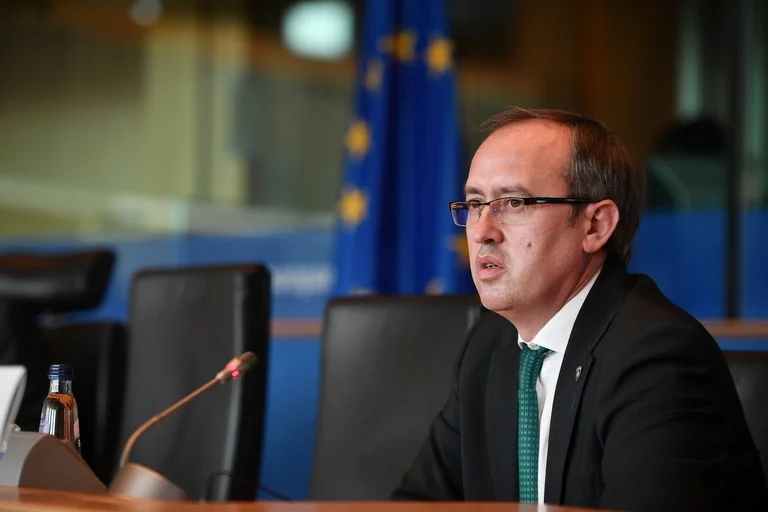
Periskopi(2 years ago)
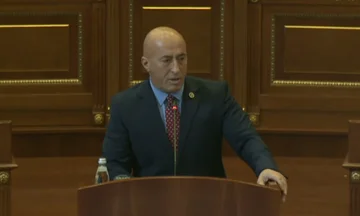
(2 years ago)Democratic League of Kosovo MP Avdullah Hoti has analysed the preliminary results of the census that were made public last week. He says the published “data is very low”, but stresses that Kosovo “ka 200 thousand inhabitants less” than at the end of 2011 and that apart from five municipalities, [...]
Democratic League of Kosovo MP Avdullah Hoti has analysed the preliminary results of the census that were made public last week.
He says the published “data is very low”, but stresses that Kosovo “ka 200 thousand people less” that at the end of 2011 and that in addition to the five municipalities, there are a decrease in the number of residents in all others.
“About 33% of homes/banes are uninhabited. The municipalities with mostly uninhabited houses/houses are: Dragashi 43%, Istog 41%, Suhareka 41%, Kline 40%, Gjilani 39%, Vitina 39%, Feriza 39%, Fushe Kosova 38%, Lipjan 35%, Prizren 35%, Kamenica 35%, and so on,”, writes Hoti on a Facebook post.
Although Kosovo's “demographic developments are similar to other countries in terms of train”, Hoti says that “the size of demographic developments is much bigger and faster, in particular in the last years”.
“Demographic video coming from the young population seems to be failing to use enough to ensure more accelerated economic growth to ensure faster economic convergence with countries in the region and the EU. The mass evacuation of specialized quartads, especially in medicine, information technology, engineering, and similar fields, is creating gaps in the market and in society. This will have long-term consequences for the economy. Based on the number of graduates within the year in these areas, it is impossible to replace those who emigrate”, he writes.
Full post of Avdullah Hoti:
Kosovo, with about 200 thousand inhabitants less, some municipalities have about 35% fewer residents
The preliminary data for the census in Kosovo has been made public last week. This census was postponed for a year due to the Kosovo Government's failures to in time carry out the procedures needed to start the census. For these delays, the Government offered the sacrifice to an official of the Statistics Agency, who had reported to the Parliamentary Commission on Board that the Statistics Agency had accomplished all the tasks in charge of the Agency. Thus, the use of data from population registration on issues of budgetary, infrastructure, environmental, educational and health planning is postponed a year behind other European countries.
The published data is very low. In addition to the number of populations according to municipalities, housing and family economies, there are no other data published at this stage.
Kosovo has about 200,000 inhabitants less compared to the latest 2011 census. Besides Fushe Kosovo, Pristina, Obilic, Mamsuza and Ferizaj, all other municipalities have a decline in the number of residents. Kamenica has 37% fewer residents; Yunik 35% less; Novoberda 33% less, Decani 31% less; Rahoveci 26% less; Year 24% less; Suhareka and Mitrovica 23% less; Kline 21% less; Ssongeraj, Podujevo and Malisheva 20% less, and so on.
About 33% of homes/banes are uninhabited. The municipalities with mostly uninhabited houses/houses are: Dragashi 43%, Istog 41%, Suhareka 41%, Kline 40%, Gjilani 39%, Vitina 39%, Feriza 39%, Fushe Kosova 38%, Lipjana 35%, Prizren 35%, Kamenica 35%, and so on.
In general, demographic developments in Kosovo are similar to other countries in terms of the train. But the size of demographic developments is much larger and faster, especially in recent years. The demographic drive coming from the young population seems to be not enough to ensure more accelerated economic growth to ensure faster economic convergence with countries in the region and the EU. The mass evacuation of specialized quartads, especially in medicine, information technology, engineering, and similar fields, is creating gaps in the market and in society. This will have long-term consequences for the economy. Based on the number of graduates within the year in these areas, it is impossible to replace those who emigrate.