16 minutes ago
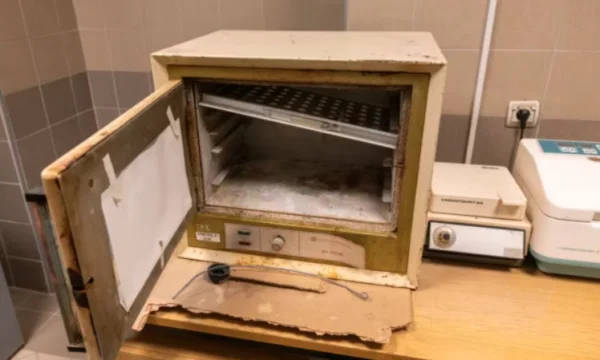
QKUK with rusty labs, but the accuracy of analysis is questioned
Periskopi(2 years ago)
(2 years ago)In wet and rust environments, Kosovo University Clinical Centre labs (QKUK) conduct thousands of daily tests of blood, saliva, urine, and others. The damaged inventory and a lack of ventilation make their work harder, even though the equipment is mostly new. We don't have anywhere to put [...]
In wet and rust environments, Kosovo University Clinical Centre labs (QKUK) conduct thousands of daily tests of blood, saliva, urine, and others.
The damaged inventory and a lack of ventilation make their work harder, even though the equipment is mostly new.
We don't have anywhere to put samples for analysis. We're very tight”, says a nurse of the Internes laboratory at the Biochemical Clinic, which will not be identified.
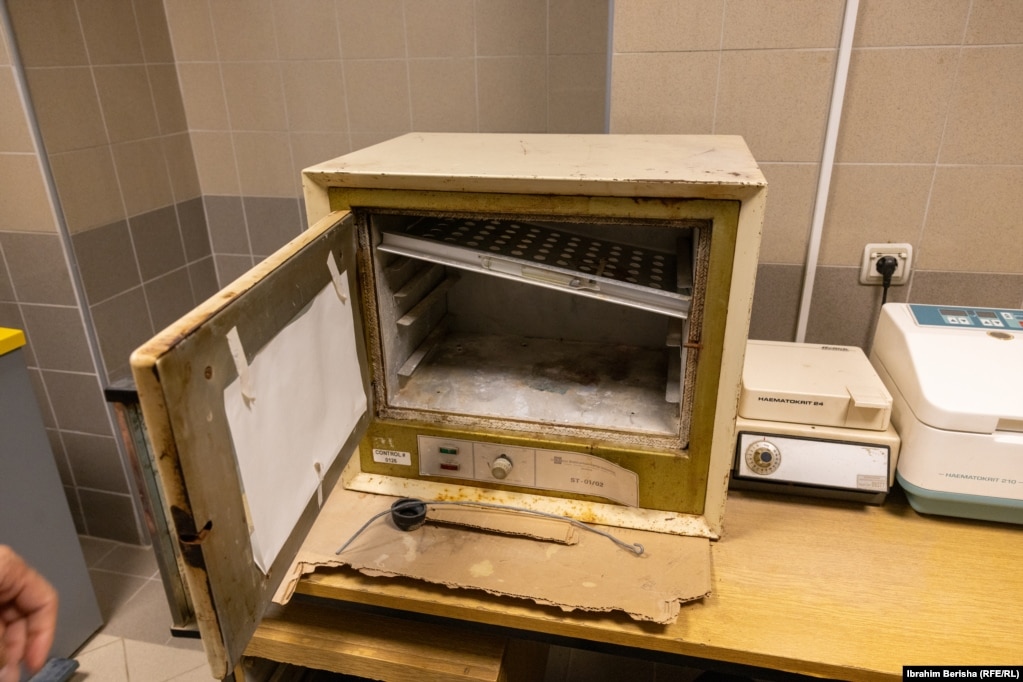
Biochemistry has 12 labs that are distributed to various QKUK clinics.
REL visited some of them at the Clinic of Pediatrics, Infectives, Dermatology, and others.
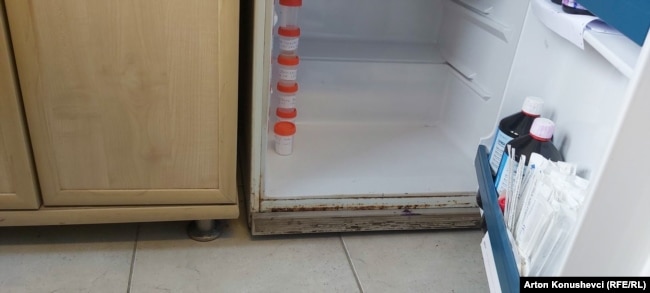
In Pulmology he found that the laboratory was improvised in a corridor, while the refrigerator where the samples were stored was small and rusty.
In the Pacific, in addition to the new test device, the work environment and inventory seem extremely old.
In the narrow spaces where we work, we are three or more lab technique”, says a lab worker there.
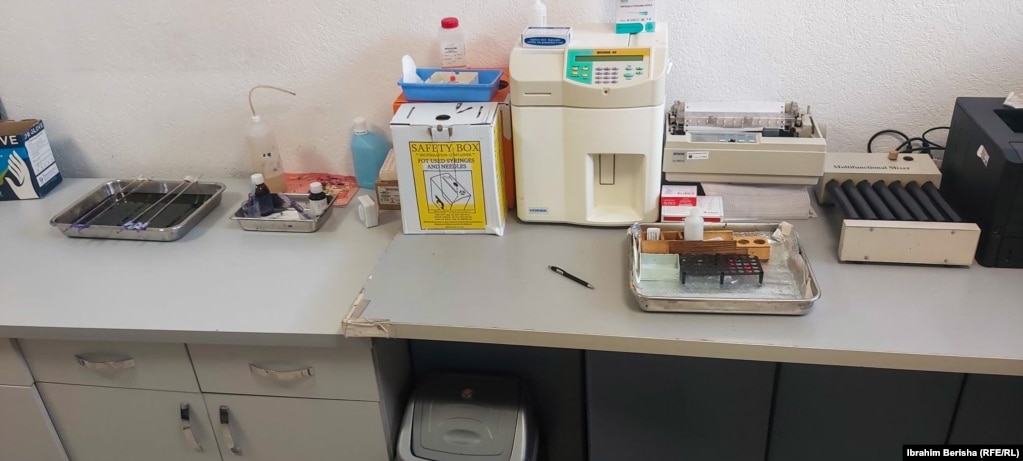
In the Emergency Lab, the lack of space brings together the testes, the staff's undocument papers.
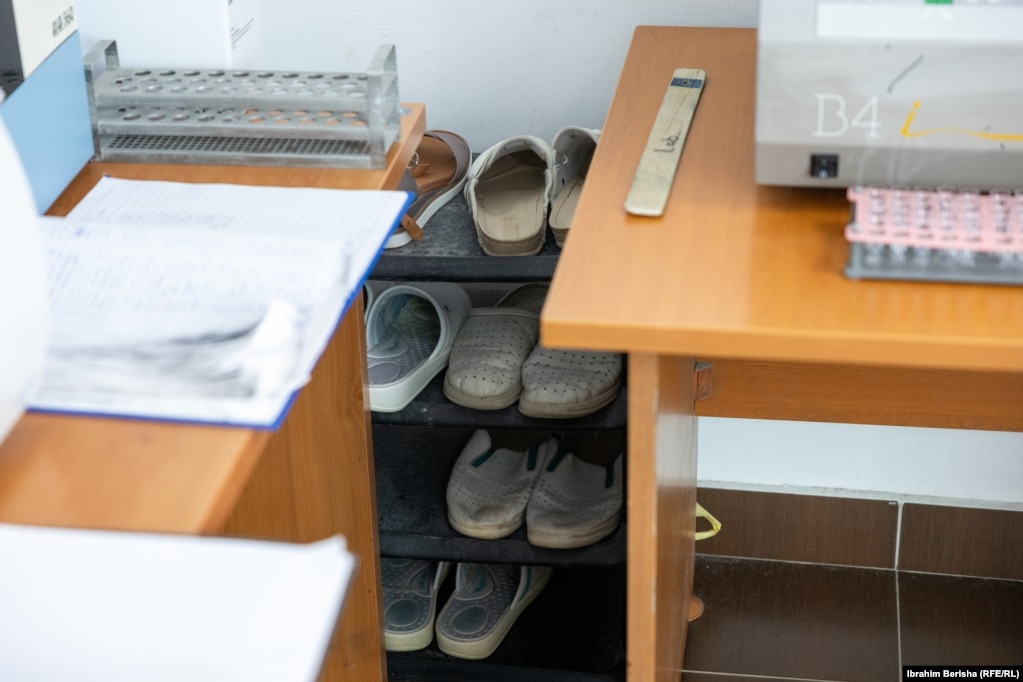
And in the Infecties, the closet in which the documents are stored seems to be hard to stay.
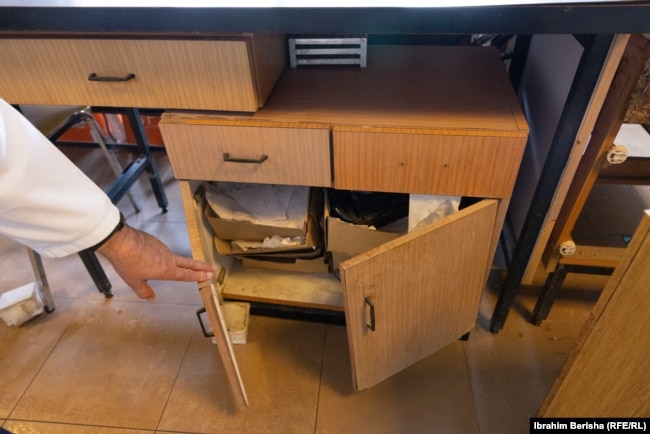
Due to poor conditions, the Cardiology Clinic has been moving its laboratory to Biochemistry Clinic for over nine months.
Cardiology is obtained only samples, while tests are conducted in Biochem.
One nurse says that staff needs to wander dozens of times a day between the two clinics.
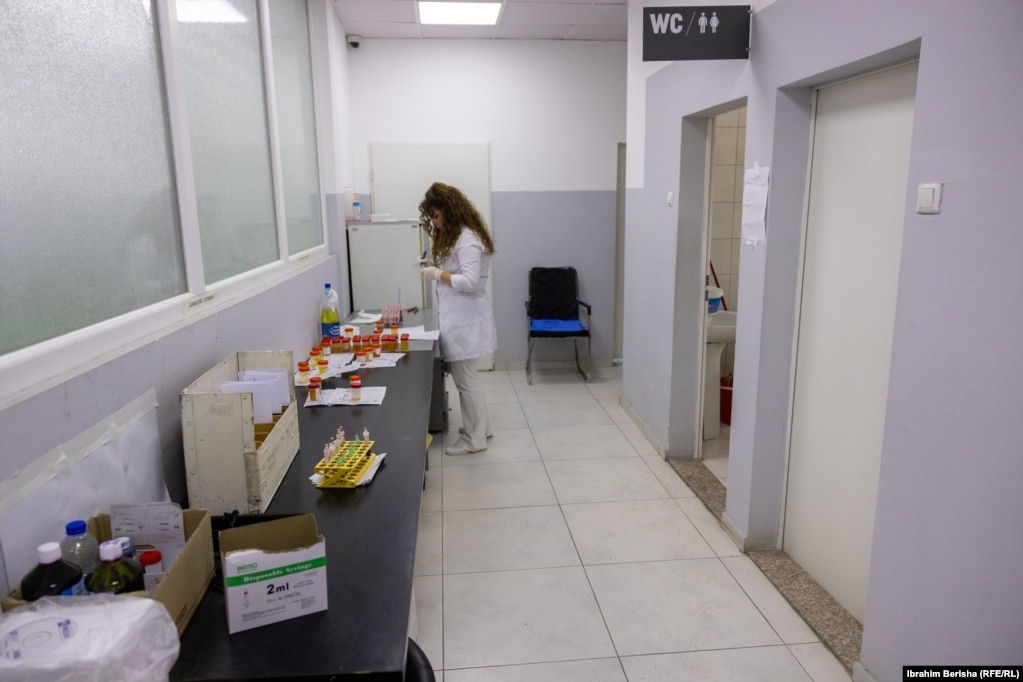
Biochemia Clinic Director Shemsie Veseli says all the labs “are left at the mercy of the time”.
There is no ventilation, no lighting, and no moisture... I understand there can be no quick and expensive investment, but inventory should have, chair table”, says Wessel for Radio Free Europe.
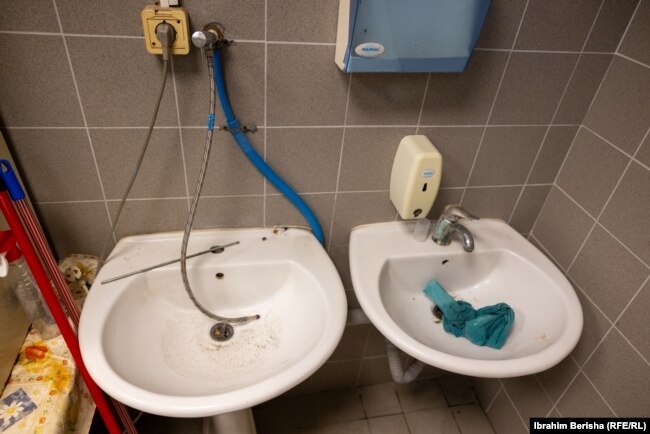
Despite such conditions for years, Wessel makes sure that the results of the tests are always accurate.
They can't contradict anyone, the facts speak. Last year we had over two million tests”, says Wessel.
That statement is echoed also in the Kosovo Clinical Hospital and University Service (SHSKUK), which is in charge. KKUK and regional hospitals.
According to director Elvir Azizi, in all these subx0-analysis institutions are accurate and reliable”.
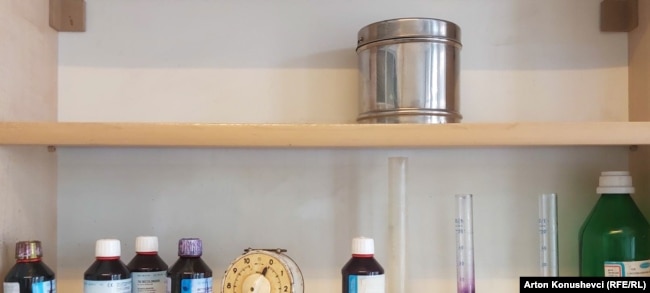
As for working conditions, Asia says it is working to improve them.
We're first working on laboratory power, so the nurses don't move with samples from clinic to clinic. So we're going to have a new system of carrying samples”, he says.
Asia also shows that a commission has been formed that is identifying new areas for laboratorys.
There will be divisions for them “in each clinic, says the director of KSFUK.
The REL asked the Kosovo Health Inspectorate, which functions under the Ministry of Health, how it praises the situation in QKUK's labs, but did not return concrete answers.
Depending on the findings, there are also recommendations that always conform to the competencies and legal provisions in force”, it says in response.
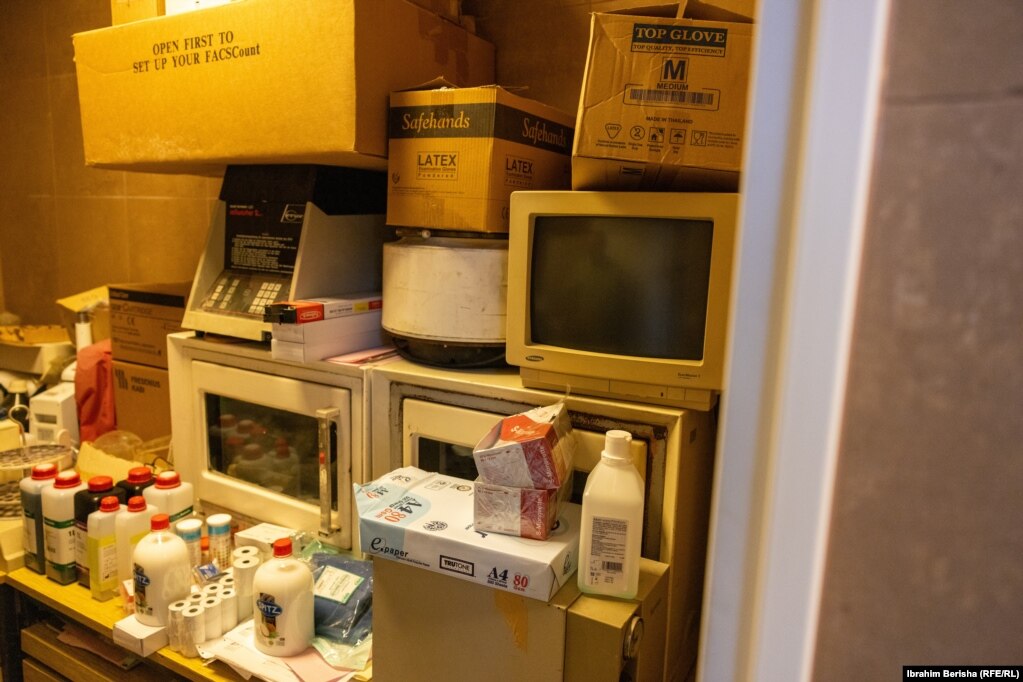
Bad conditions in QKUK labs are not isolated.
REL reported in March on similar situations throughout the Psychiatric Clinic.
Problems with long equipment and expectations for services are also challenges that convey the work of QKUK. / REL