3 minutes ago
Networks of Human Rights Organisations letter to Osman and Konjufca: You're risking democracy.
Periskopi(2 years ago)
(2 years ago)The rejection of the Kosovo Parliament's Annual Ombudsman Report 2022 has raised concern about the European Network for Human Rights. They have even been addressed with a letter to the country's president, Vjosa Osman, where they call upon him to ensure respect for international and regional standards of [...]
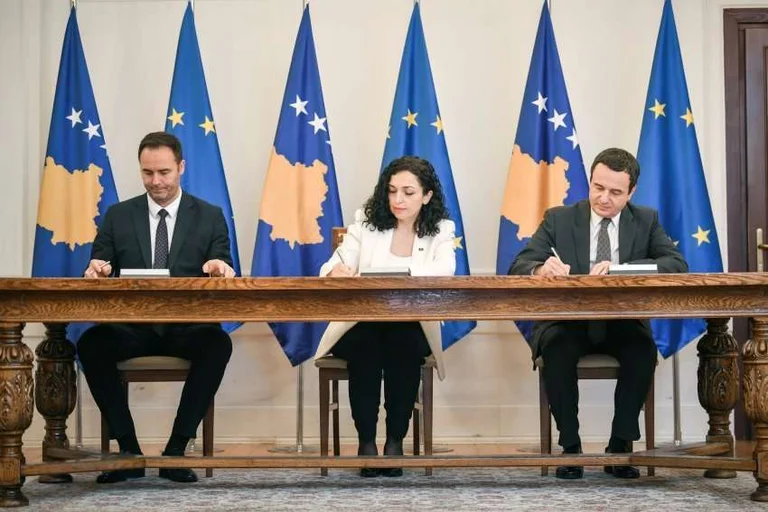
They have even been addressed with a letter to the country's president, Vjosa Osman, where they call on him to ensure respect for international and regional standards applicable to national institutions of Human Rights and rights organs as the Ombudsman.
With the same letter, Kosovo Parliament Speaker Glauk Konjufca has been addressed.
The full compliance with the principles of Paris and the independent bodies of Equality are the pillar of Human Rights, Democracy and the state of law, which play a crucial role in ensuring the implementation of fundamental rights at the national level. The European Commission, the European Parliament and the Council of the EU recognise these institutions as fundamental acts for balancing power in the country and ensuring respect for the rule of law, democracy and fundamental rights”, the European Network of Human Rights says among other things, the paper on Human Rights, reports the paper.
In addition to this letter, Kosovo's Ombudsperson Institute legislation reportedly included provisions for the annual report to be presented and discussed at the plenary session of the Assembly.
The report's “Rejection sets a disturbing precedent for unfair intervention in the findings and recommendations of the ombudsman. It is also disturbing for the public's confidence in the institution, which plays a crucial role in promoting and protecting the fundamental rights of individuals in Kosovo and currently enjoys a very high level of trust and popular assessment”, it says on paper.
The European Network for Human Rights notes that one of the fundamental requirements of Paris's Parliaments is that a National Institute of Human Rights should be able to act independently of political interference. Next, the principles of Venice are mentioned, stressing that annual reports should be taken into proper consideration by authorities.
The independence of these institutions is also defined in the EU directives 2024/1499 and 2024/1500, which set minimum standards for the Equality Organs. Member States are required to approve measures to ensure that the Eurasian organs operate independently and without outside influence. Also, these institutions should not seek or receive instructions from the Government or from any other public or private subject during their task and exercise of competencies, including preparing an annual report of the event”, it says on paper.
The European Network for Human Rights in this letter expresses concern that this development can harm the space that Ombudsperson does effectively and independently. They even have a call for Kosovo institutions.
Kosovo's “Government and Parliament, like all governments and parliaments on a global level, are tasked to ensure that institutions monitoring the state are protected from interference. These institutions should be free to exercise their mandate to promote and protect human rights, equality, good governance and rule of law”, the letter says.
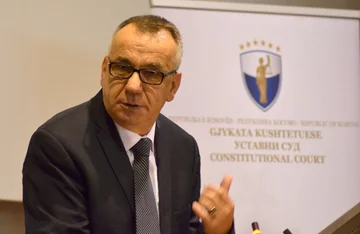
Days earlier on the Political Programme, the ombudsman, Naim Celaj, had talked about the criticism and rejection of the Parliament for this institution report. As such an action of the Parliament, Cela herself described it as intervention.
It had been Vetevendosje MP Arjeta Feyza, who had criticised the work of the ombudsman, saying his work has not yielded results, given the responsibilities that come up with the Constitution of the Republic of Kosovo and the Law for the Ombudsman.
In addition to international criticism of the intervention of the ombudsman institution, the Government of Kosovo has often been criticised for engaging in the justice system.