10 minutes ago
Kosovo awaiting Borrell report on removal or not of measures
Periskopi(2 years ago)
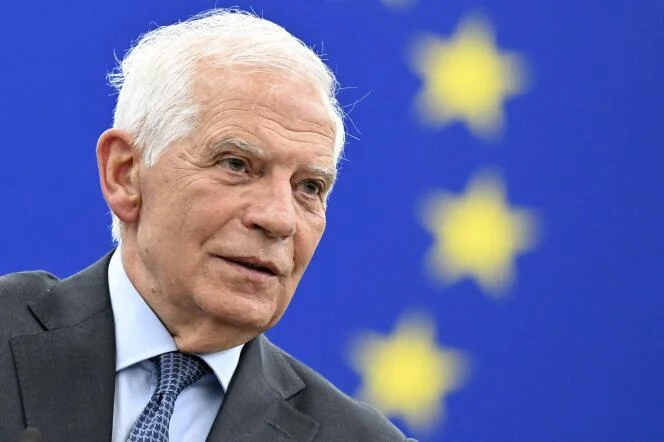
(2 years ago)EU member states have urged High Representative Borrell to hand over his assessment report on the steps Kosovo has taken to reduce the situation in its north, through which it can decide the heyre of punitive measures. The report is expected to be made public Tuesday, although there is not yet one [...]
The report is expected to become public Tuesday, though there is still no sign of whether Borrell will recommend lifting the measures. There is a driver among diplomats in Brussels that Borrell could include in the report other developments and steps Kosovo has taken with the closure of Serbian financial institutions, as well as the requirements for opening the bridge over Iber.
But, majority deputies in Kosovo say they expect the measures towards Kosovo to be taken away with the presentation of Borrell's report, despite the government's long-designed reserves.
MP Agon Batusha said the institutions have met EU requirements under the Bratislava agreement.
Kosovo has already fulfilled all the criteria that the EU has requested, we organised elections in the north, even though they were boycotted in our obligation and carried out because the elections were fair, but that Serbian citizens decided not to appear in these elections this is not the government's problem...”, Batusha told Rtv21.
Since one year Kosovo has been under European Union measures and economists in the country have been talking about a range of consequences they have brought to the country. A Borrell report was scheduled to surrender earlier, but was postponed due to Kosovo police actions in the country's north. At least 6 subsidiarys of Serbia's Postal Savings Bank were closed and over 1.6m euros confiscated. These actions are said to be included in the report by Josep Borrell, who will be presented to the European Commission.
Batusha disagrees with EU criticism. He says EU has a tendency to criticise any action of country institutions
“The municipalities in the Serb-run north of government and institutions are just some of the 38 municipalities in Kosovo, and the government has the right to intervene to act according to the country's legitimacy and expropriations and the closure of financial institutions were made in accordance with law...”
EU measures were imposed on Kosovo following developments in the northern part of the country that led to escalation of the situation. The remaining 90 members of NATO's peacekeeping forces were injured in a clash with Serb protesters who rejected being placed in municipal objects of elected Albanian mayors, under Kosovo police escorts.