12 minutes ago
EU spokeswoman: Russia in Kosovo is trying to spread narrativa in pro-Cremlin ícinforms could fuel tensions
Periskopi(2 years ago)
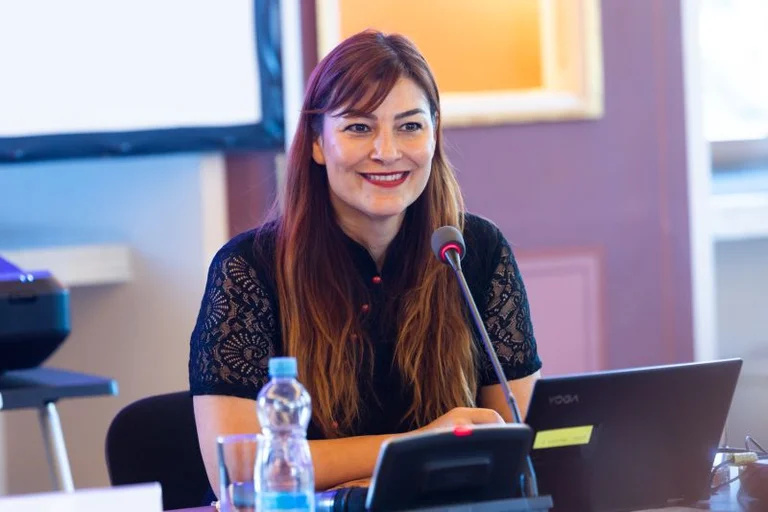
(2 years ago)The European Union's spokeswoman in Kosovo, Ioanna Lachana, says in an interview for The Geopost that in Kosovo, Russia tries to spread the pro-Kremlin Narrativa and throw everything that is pro-Western into a negative light. What we're seeing, especially in Kosovo, is this Russian anti-Western narrator. They are trying to spread these Narrativas [...]
European Union spokeswoman in Kosovo Ioanna Lachana says in an interview for Kosovo The Geopost that in Kosovo, Russia tries to spread the pro-Kremlin Narrativeva and throw everything that is pro-Western into a negative light.
What we're seeing, especially in Kosovo, is this Russian anti-Western narrator. They are trying to spread these pro-Kremlin narrativvas and throw everything that is pro-Western into a negative” light, she said.
So what we see here is that Russia is trying to derail the EU's clear path of six Western Balkan partners and arouse fear and hatred so that more people can support the EU path or Western Balkan partners less”.
It has also stressed that Russia's influence is spreading throughout the region, though to different degrees.
For example, we know very well that in Belgrade we have RT Balkans and Sputnik Serbia. These media, of course, spread the Kremlin propaganda and portray everything that is Western as negative”, added.
But neither is Kosovo immune to Russian propaganda. As I mentioned earlier, there are some Narrativa, Russian urativa based on the Kremlin, for example for EU-sponsored dialogue, that the Ohrid Agreement was something of blackmail, let's say. This is how it was presented to the Russian media”
However, Lachana stresses that Kosovo has much support for EU integration and, of course, a pro-Western population.
As it says Russia's influence is spreading throughout the region, the EU spokeswoman in Kosovo stresses the same uses different tactics.
It draws attention to caution, as it stresses that Russian disinfectants, especially in Kosovo, could trigger tensions.
“They use false accounts, bots, use many social networks, use many artificial intelligence, but also machine translation so that their product becomes available to more and more audiences. The moment propaganda is repeated, there may be people who start to fuel anti-Western propaganda feelings over interethnic tensions that a new” can erupt here.
For the new US strategy to fight deinformation in Europe, especially in the Balkans, Lachana points out that it included support of democracies, support of free media, and protection of human rights. /Ap