3 minutes ago
Election process for new European Parliament begins
Periskopi(2 years ago)
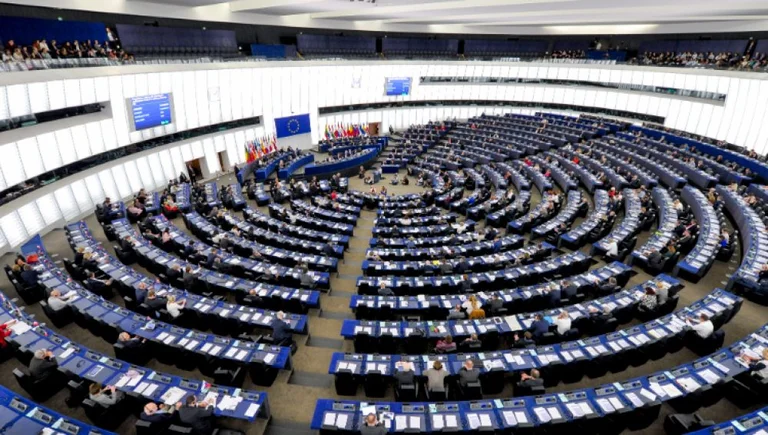
(2 years ago)The vote on the new European Parliament began in the Netherlands today, paving the way for the 4-day election process throughout Europe. The elections are expected to strengthen the positions of the extreme right, while the new parliament will face more challenges in the political, industrial and security aspect. About 400 million voters will choose [...]
About 400 million voters will elect the new 720 lawmakers of the European Parliament.
Their outcome will have a significant impact on a range of issues from global policies on climate change, on protection and migration and geopolitical relations with China and the United States.
In Estonia, voters will be able to vote for six days in the process that started Monday, but the Netherlands is the only country in the European Union to hold elections in a single day.
On Friday, it will be voted in Ireland on Saturday in Malta, Slovakia and Latvia, while in all other European Union countries on Sunday.
The results are expected to appear Sunday evening.
Elections in the Netherlands take place six months after the extreme right-wing force of Geert Wilders, the Freedom Party, became the largest party in the Dutch Parliament. Like many other parties throughout the European bloc, it seeks to empower positions in the European Parliament in order to weaken from within European institutions.
“You should have the strongest presence in the European Parliament and make sure that, if necessary, we will be able to change European guidelines in order to decide for our immigration and asylum policies ourselves,” said Mr. Wilders after the vote in The Hague.
Mr. Wilders failed to secure a seat in the last elections of the European Parliament in 2019. Although polls show the right centre in Europe is expected to win most of the seats in the new European legislature, far-right parties are expected to score more victories.
The stances of Mr. Wilders, Italy's Prime Minister Giorgia Melon and French opposition leader Marine Le Pen are in sharp contrast with most left and centreist parties, which advocate access to a more united Europe in any direction from climate change to defence measures, arguing that if a country stands alone there will be a weaker voice on the world stage.
Polls show that pro-European and centre-right parties and liberals will have a smaller majority than the current European Parliament, complicating efforts to advance new European laws and European enlargement.
The new parliament mandate will be completed in 2029. It will decide on the future seven-year EU budget, which should take effect in 2028, while Ukraine, Moldova and Western Balkan countries seek European membership. / VOA