10 minutes ago
Blinken condemns steps of Russia, North Korea for deepening military co-operation
Periskopi(2 years ago)
(2 years ago)US Secretary of State Antony Blinken has condemned deepening military co-operation between North Korea and Russia, including the transfer of weapons contrary to numerous UN Security Council resolutions, the State Department said Friday. During a conversation with South Korean Foreign Minister Cho Tae-yul, the top diplomat [...]
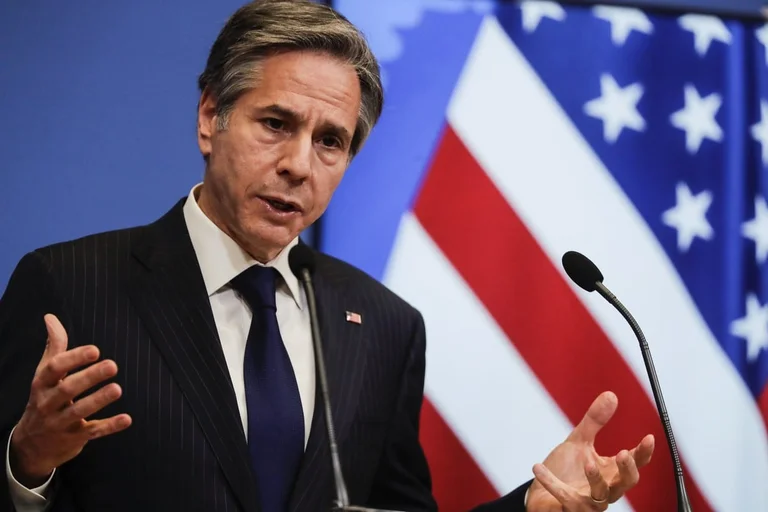
US Secretary of State Antony Blinken has condemned deepening military co-operation between North Korea and Russia, including the transfer of weapons contrary to numerous UN Security Council resolutions, the State Department said Friday.
During a conversation with South Korean Foreign Minister Cho Tae-yul, the American top diplomat also reaffirmed the vital importance of the “hecurt” coalition between the US and South Korea for “promising peace, security and prosperity throughout the world”, State Department spokesman Matthew Miller said in a communique.
Blinken thanked the South Korean minister for his country's continued support for Ukraine.
Russia's president, Vladimir Putin, and the northeastern leader, Kim Jong Un, signed a defence agreement this week during the Russian leader's visit to Penianan.
It is unclear what kind of stand-by agreement has been reached. But it has been described as “strategic co-operation”
Speaking after the signing ceremony, Kim said the agreement “is the most powerful treaty” signed “sometimes” between the two states, bringing the reports to the level of the alliance, which will also enable co-operation in many areas, including political, economic, cultural and military.
Putin said security and international issues were the focus of meeting with Kim, Russian state media reported.
US and South Korean officials have accused the North of offering Russia artillery, rockets and other military equipment Moscow to use in Ukraine in exchange for providing military technology.
Both Penian and Moscow have denied the accusations. Such arms transfers would constitute violations of UN Security Council sanctions, which Russia previously supported.