16 minutes ago
“Avalulation comes amid signs of rising nationalism”, The Guardian writes about cancelling “
Periskopi(2 years ago)
(2 years ago)Organisers of a festival established to promote cultural exchange between Kosovo and Serbia say Belgrade authorities have surrendered to pressure by hooligan groups, halting this year's event. In a statement issued Thursday afternoon, Belgrade police cited security concerns as the reason for cancelling [...]
In a statement issued Thursday afternoon, Belgrade police cited security concerns as the reason for the annulment of the Dobar Dan Good News event (which means the good “-day” in Albanian and Serbian), which would begin yesterday in the Serbian capital, wrote the British daily “The Guardian” for yesterday's event in Belgrade, Express broadcast.
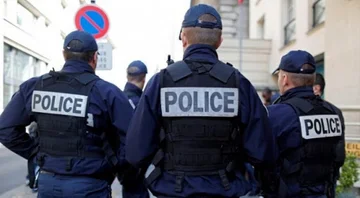
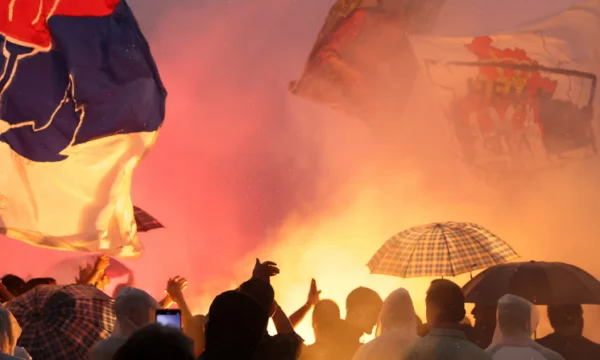
However, youth groups from Serbia and Kosovo organising the festival accuse Serbia's Interior Ministry of failing to protect them from nationalist hooligan groups, who have surrounded the area where the festival would be held and have intimidated its participants.
“During our presence in the area where the festival was to be held under police supervision, hooligans managed to set a lock on the back entrance, effectively creating a situation where people are held hostage before the MUP [Serbia's Ministry of Internal Affairs] members who claim they could not intervene”, the organisers said in a statement.
Days before the festival starts, messages like “get out! ” and “You are not welcome! ” were drawn in the outside of the country where the festival was scheduled to take place, they added.
Initiated in 2014 to overcome ethnic divisions intensified by the 1998-99 war between Kosovo and Serbia, Good afternoon Dobar Dan would celebrate its 10th anniversary this year.
Its annulment comes amid signs of rising nationalism and a blow of liberal voices in the region. Last month, tensions intensified by a resolution at the United Nations to mark July 11th as an international memorial day for the 1995 genocide in Srebrenica, Bosnia and Herzegovina, which Serbian leaders have described as an unprecedented attack on the Serbian people, continues reporting The Guardian.
Belgrade does not recognise its 2008 declaration of independence by its former province, Kosovo, which is mainly with ethnic Albanians.
“Unfortunately the festival's ban was very predictable”, said playwright Jeton Neziraj, whose father and father drama would open the manifesto Thursday.
For the past six years, Serbian politics has invested a lot in efforts to present any cultural co-operation between Kosovo and Serbia as a land horse, stigmatising it for populist domestic purposes”, Neziraj told Guardian.
Belgrade Mayor Aleksandar Shapiq said earlier this month that he was “specifically” against holding the festival in his town, claiming his organisers were counterfeiting history by denying that Kosovo was Serb.
“Under the cover of cultural activities, they always question directly the cultural and historical heritage of Serbia and our people”, he said.
Serbia's “Politicians have criticised the festival, which was to be held from 27 June to 29 June, for co-ing with Vidovdan, a national and religious holiday on 28 June commemorating holy Serb martyrs fallen during the Battle of Kosovo in 1389. Festival organisers had not planned any public events for that day”, concludes The Guardian's script