a minute ago
Discussions about NATO's AP Banjska, I was quoted CG: KFOR negotiated withdrawal of attack group
Periskopi(2 years ago)
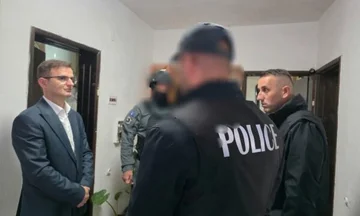
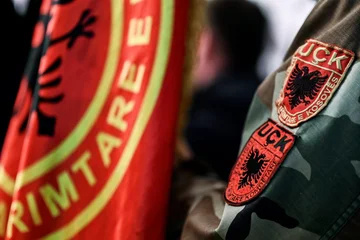
(2 years ago)They fled, and their appearance was unknown. However, 8 months after, in the most powerful coalition in the world, it will be shown by whose permission armed Serb attackers crossed the Banjska mountains on September 24th last year. In the report discussed Saturday on the Commission for Defence and Security in [...]
They fled, and their appearance was unknown.
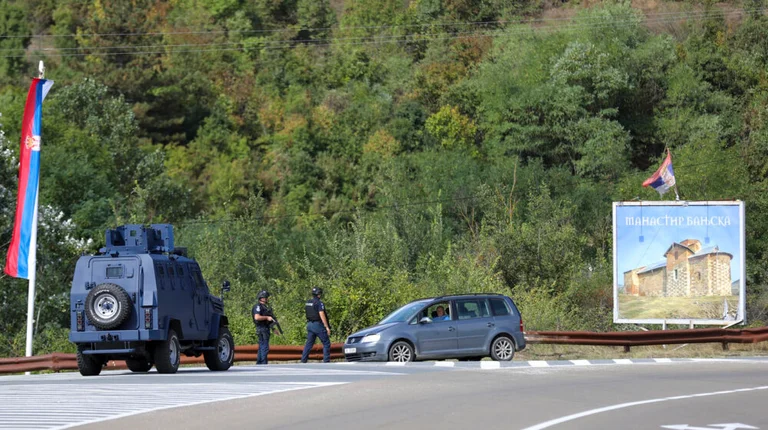
However, 8 months after, in the most powerful coalition in the world, it will be shown by whose permission armed Serb attackers crossed the Banjska mountains on September 24th last year.
In the report discussed on Saturday on the NATO General Assembly's Defence and Security Commission, it is written that the KFOR mission was informed with the attackers to leave where they came from.
KFOR's “Offices negotiated the withdrawal of the rest of the group in the surrounding forests, where they had disappeared. (ICG, 2024). Kosovo authorities believe potentially hundreds of other attackers were hiding in the forests between Banjska and the Serbian border, and they discovered a large arms archive ready to cause damage and casualties. This included anti-tank missiles, grenade launchers, anti-tank mines and 24 vehicles (an armoured one) (ICG, 2024)”, the NATO report reports.
For this part, former British Defence Secretary Lord Mark Lancaster, who is a rapporteur for the Western Balkans, has cited a report drafted by the International Crisis Group, except not in paragraphs where they explain in detail the role of many Serb fugitives Milan Radociq in Banjsca's terrorist attack and declared unwanted in America and Great Britain.
In the document detailing the history of Kosovo, and problems with Serbia, great attention has been given to the entire north of Kosovo.
“At the heart of the dispute are two key issues: non-recognition (and international campaign active against recognition) and the ways and means of integration of the Kosovo Serb population especially in four northern municipalities that limit Serbia, where Serbs make up about 90% of the population. The four municipalities are still partially under Belgrade's control, while Kosovo seeks to affirm sovereignty over the totality of its” territory, the report said further.
However, the challenge is estimated to be to implement agreements reached between Kosovo and Serbia.
The Defence and Security Commission met on Saturday, on the first day of the NATO Assembly's 3-day assembly meeting, where the agenda Monday is also the advancement of Kosovo's Assembly status by an associate member observer.