9 minutes ago
Ombudsman: The issue of missing people not getting into dialogue as compromise, but as priority obligation
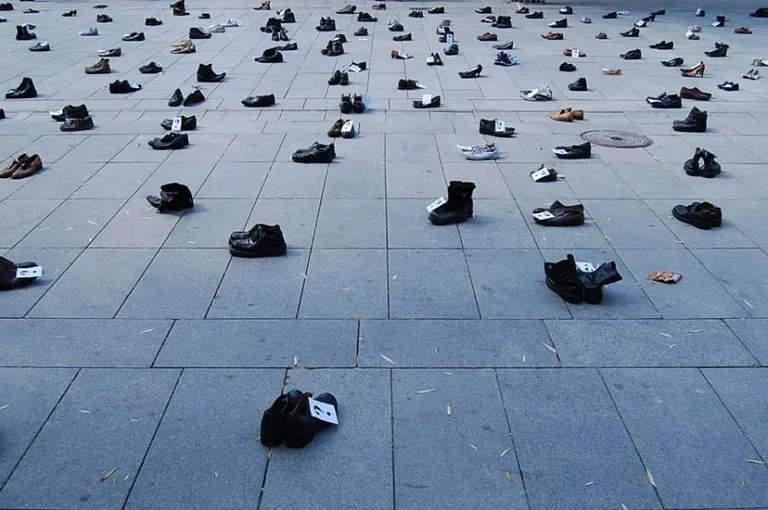
Periskopi(2 years ago)
(2 years ago)In the national agenda for violent missing persons, Ombudsman Naim Celaj has said that even after 25 years there is still no justice. It has called on local and international institutions to pressure the responsible side in order to whiteen the fate of missing persons during the war [...]
He has called on local and international institutions to pressure the responsible side in order to whiteen the fate of missing persons during the recent war in Kosovo.
The fate of over 1600 missing persons is still unknown. It's disturbing and unfair to victims. The ombudsman calls on local institutions and internationals without compromise to put pressure on responsible authorities to provide all the support and data leading to the dawning of the fate of missing persons”, he said.
Subsequently, the refusal or reluctance to offer evidence that would lead to the dawning of the fate of missing persons is denial of crimes.
He demanded that this issue not become part of the dialogue just to compromise, but be the obligation of priority.
“Refusing, failing to co-operate and reluctant to offer evidence is unacceptable and represents denial of crimes. Placeting on the table in political dialogue and aiming to compromise with the fate of missing persons is unacceptable if it is not set as the obligation as the clear demand and precondition of any other initiative, to be deemed a priority”, he said at a discussion table.
According to him, any attempt to establish other conditions to whiteen the fate of the missing is the continuation of war crimes.