17 minutes ago
Oil prices fall after Iran's attack on Israel
Periskopi(2 years ago)
(2 years ago)Oil prices dropped, following Iran's revenge attack on Israel over the weekend. The crude Brant oil plant a key reference point for international oil prices is lower, but it still trades close to $90 per barrel. Prices were rising pending actions from Iran; crude oil Brent was [...]
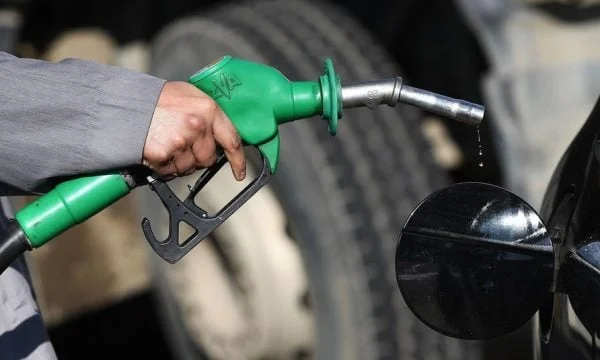
Oil prices dropped, following Iran's revenge attack on Israel over the weekend. The crude Brant oil plant a key reference point for international oil prices is lower, but it still trades close to $90 per barrel.
Prices were rising pending actions from Iran; crude oil Brant was approaching highest levels in six months last week
Analysts said markets would seek to see how the conflict could affect global supply chains.
Oil prices may cause wave effects worldwide because countries are highly dependent on products used to produce fuel, such as gasoline and oil. Fuel and energy prices have been the main driver, after the world's highest cost of living in the last two years.
When Russia invaded Ukraine in 2022, oil prices rose to $120 per barrel because of fear of supply, as Western countries imposed sanctions on Russia, one of the world's leading oil exporters.
The increase caused not only in higher oil prices but also increases in countless other goods, as businesses adjusted prices to cover higher costs.
Analysts said Israel's response to the attack would be key to global markets in the days and weeks ahead.
Israeli Defence Minister Yoav Gallant has said confronting Iran “has not yet ended”.
At the end of last week, the price of crude oil Brant reached 92.18 dollars per barrel, the highest since October, but early Monday, it had fallen back to about $89.70.
While oil prices dropped slightly, the price of gold rose to stay close to record levels, being traded close to $400,400 per oussion.
Gold is often seen as a secure investment, in times of uncertainty, and grew significantly before the weekend.
Stock markets in the Asia-Peacelore region fell, while investors weighed in on the impact of the attack. The FTSE 100 U.K. stock index also dropped marginally, in the beginning of trade.
Russ Mowld, director of investments at the investment firm AJ Bell, said the markets had started “with peace week relative to”.
However, he said that gold prices, which remain close to record levels, suggest a “ongoing recession among investors”.
“Situate remains busy and beyond geopolitical and humanitarian implications, a more widespread conflict in the Middle East, can see rising energy prices and undo careful efforts by central banks to reduce” inflation, he added.
Iran is the world's seventh largest oil producer, according to the US Energy Information Administration, and the third largest member of the OPEC oil producer's cartel.
Analysts say a key issue for the ongoing oil price is whether transport will be affected through the Strait of Hormuz.
The storm which is between Oman and Iran is an essential maritime route, as about 20% of the world's total oil supply passes through.
Members of the OPEC, Saudi Arabia, Iran, the United Arab Emirates, Kuwait and Iraq send out most of the oil they export through the strait.
On Saturday, Iran seized a merchant ship associated with Israel as it passed through the Strait of Hormuz. / BBC