31 minutes ago
The history of Kosovo, American photoreporter, gives Ukraine much hope
Periskopi(2 years ago)
(2 years ago)The history of Kosovo, the state that faced war 25 years ago, the Ukraine-based American photographer Brendan Hoffman, gives much hope for Ukraine's future. One of his photographs from the early days of Ukraine's invasion is part of the <x0-Ukraine exhibition: A war crime”, which opened in [...]
The history of Kosovo, the state that faced war 25 years ago, the Ukraine-based American photographer Brendan Hoffman, gives much hope for Ukraine's future.
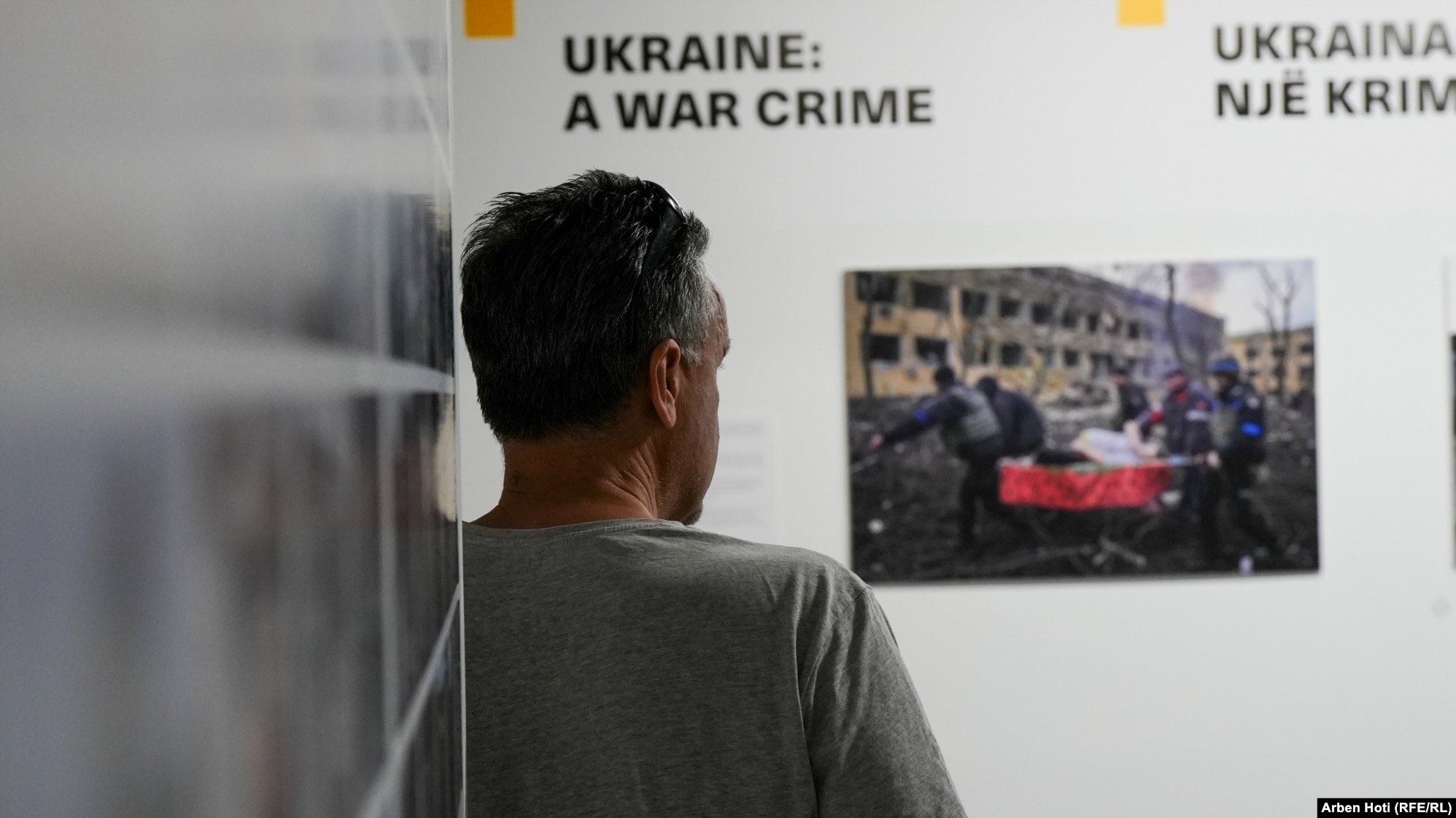
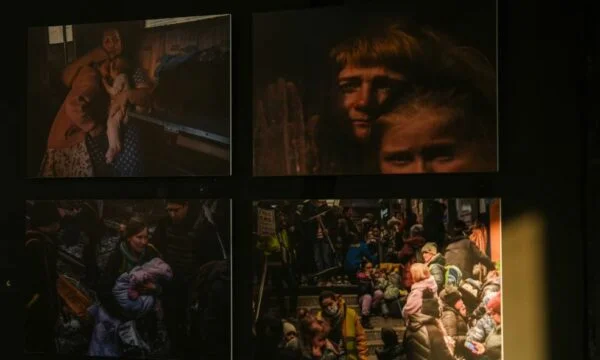
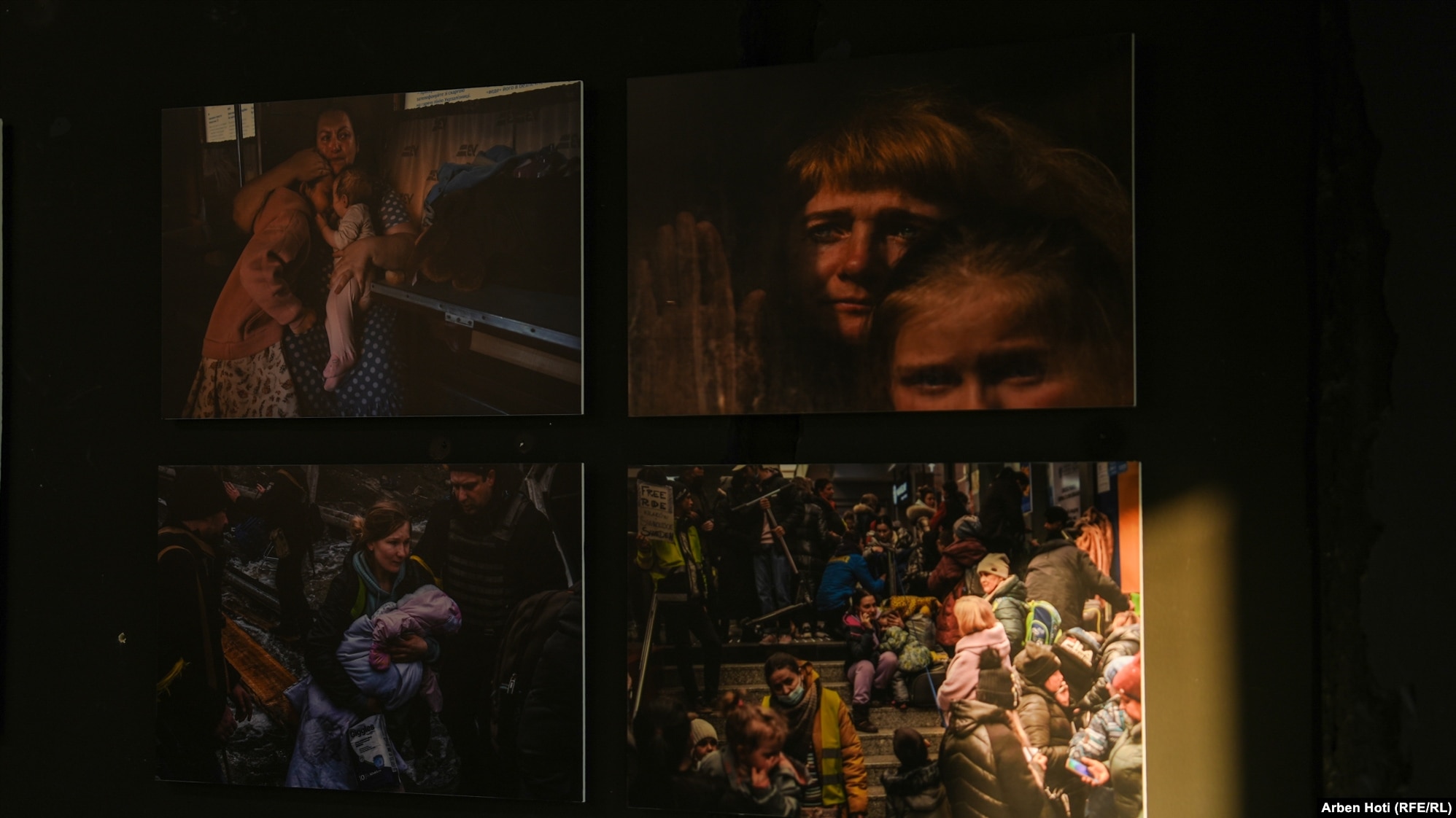
One of his photographs from the early days of Ukraine's invasion is part of the <x0-Ukraine exhibition: A war crime”, which opened in Pristina on 29 April. The exhibition derives from the same name book as published by the PhotoEvience, which includes over 360 photos and confessions of witnesses shed light on Ukraine's full-scale invasion, which Russia launched on February 24, 2022.
Hoffman, who lives in Kiev since late 2013, and is married to a Ukrainian, says it is important for him to learn about Kosovo's history.
It's been important for me to learn about the parallels, what this state has been through 25 years ago, and this is now happening in Ukraine. Now Kosovo is an independent, peaceful state. This gives me much hope for Ukraine's future”, he says aboutFree Europe Radio.
The open exhibition in Pristina includes photographs it fired on February 25, 2022, a day after the start of the Ukraine's full-scale invasion.
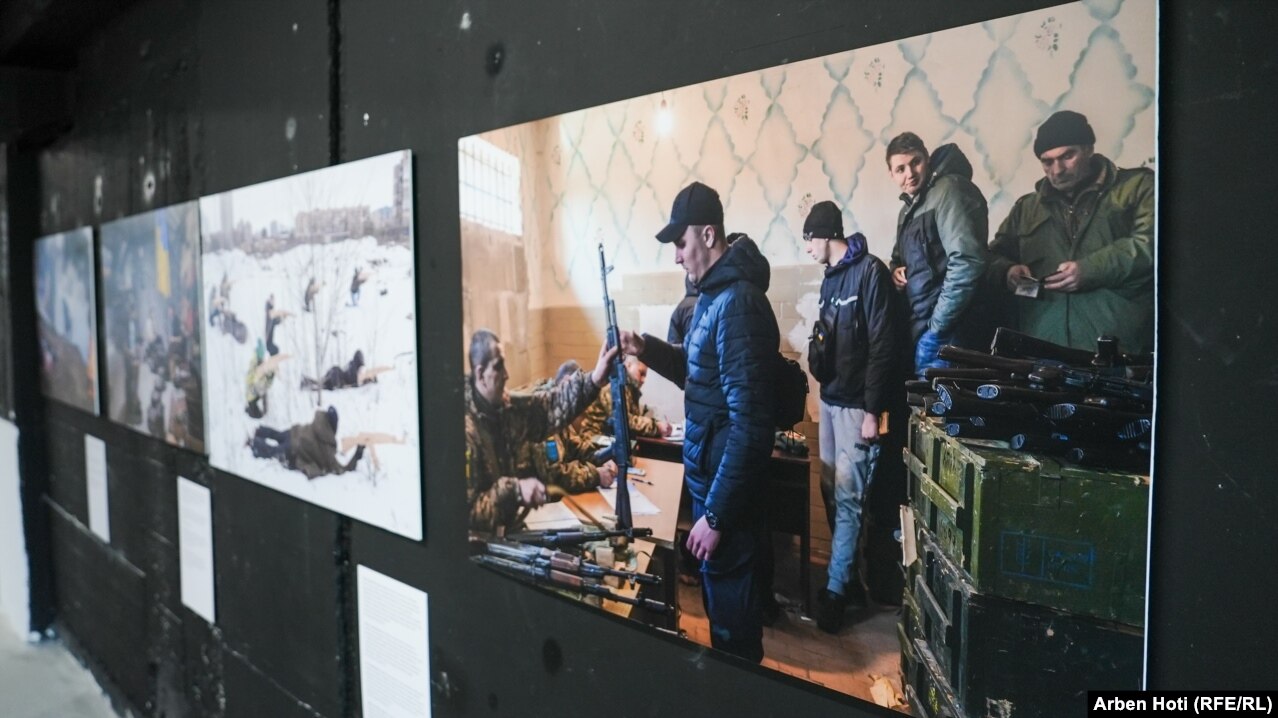
At that world, his wife was in her sixth month of pregnancy, and they decided to leave to avoid being trapped in the Ukrainian capital. He says that along the way, he stopped at one of the points where the Ukrainian army gave weapons to people who wanted to fight Russia.
We saw on the internet a list of different countries throughout the country where the army was giving weapons to every man at the age of military service who wanted to resist the Russian occupation. We went to one of them, they let us take pictures, and these are men who wanted to fight, and the weapons they gave to”, he relates.
His son was born in Poland and Hoffman with his family, now living in Kiev again.
“Personally and professionally, it's important for me to be there and continue documenting”, says Hoffman, whose work has also appeared in the New York Times.
For the exhibition curator, Svetlana Bachevanova, these pictures are important documents.
“photos are evidence. As you can see, the title of the book is Ukraine: A war crime. Thus, many of the works published are war crime. The idea was to gather and publish so that no one could deny, as has happened many times”, she tells Radio Free Europe.
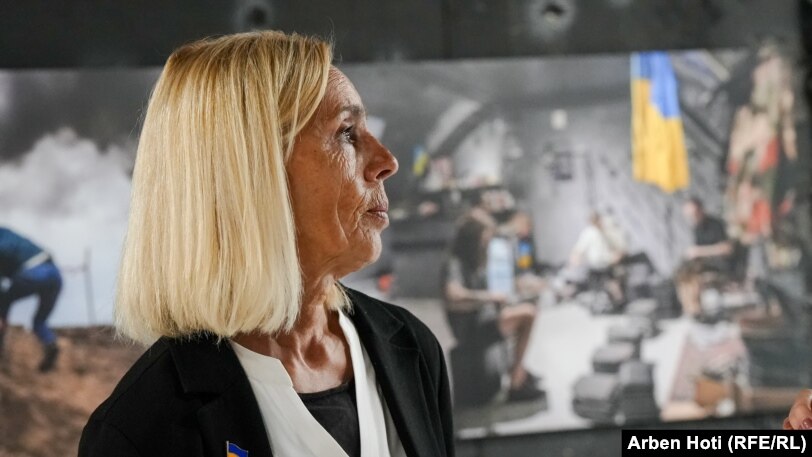
Bachevanova from Bulgaria, who during the war in Kosovo has worked as photoreporter, says that “I photographed images that have gone as evidence of war crimes in Kosovo”.
However, the important part is that Kosovo does not have a book documenting what happened. Many war crimes are not investigated, many cases are not resolved and there is no evidence. Will you blame him for that? No, I don't blame anybody. People say that history is written by winners. Winners write history. I would say that sometimes, bold editor also”, she says.
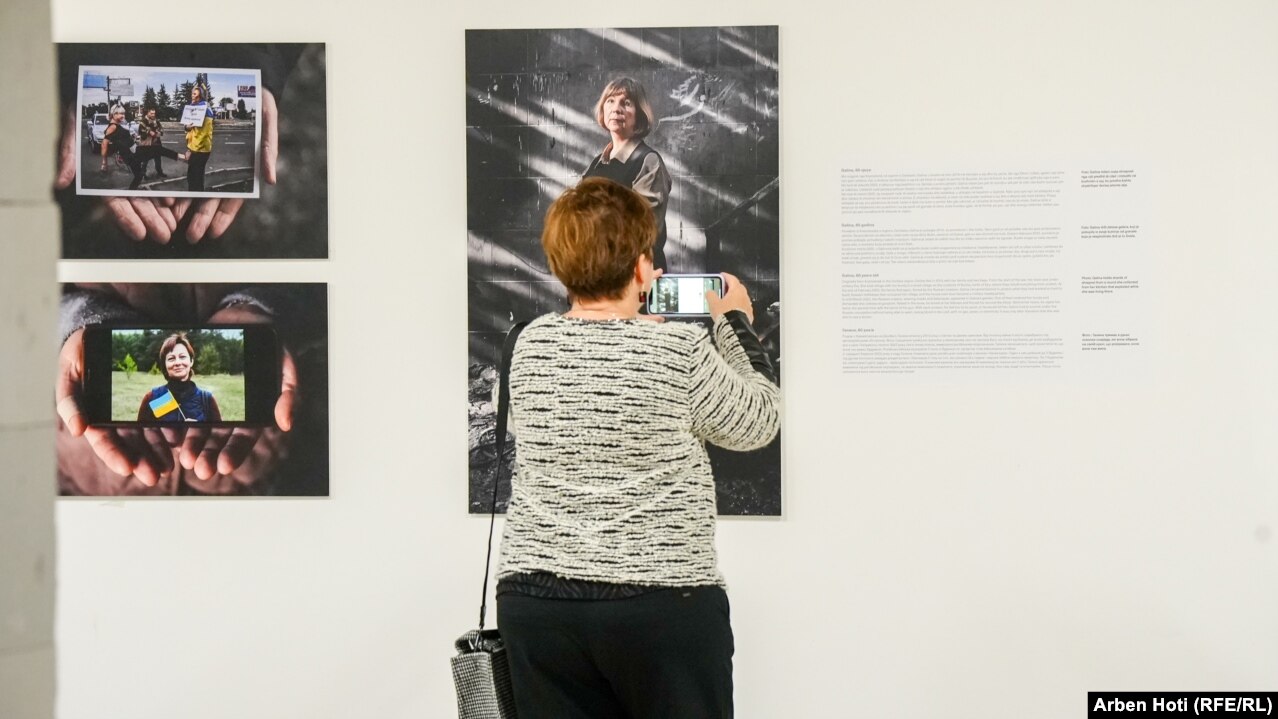
The exhibition has opened at the Grand Hotel in downtown Pristina. For Lura Limani from the Open Society Foundation, the site where the exhibition is being held has multiple meanings, as apart from being a place where international journalists who have been staying reported for the war in Kosovo in 1998-99, “was also the basis for paramilitary [Serb] troops allegedly torturing Albanian civilians” at the hotel building.
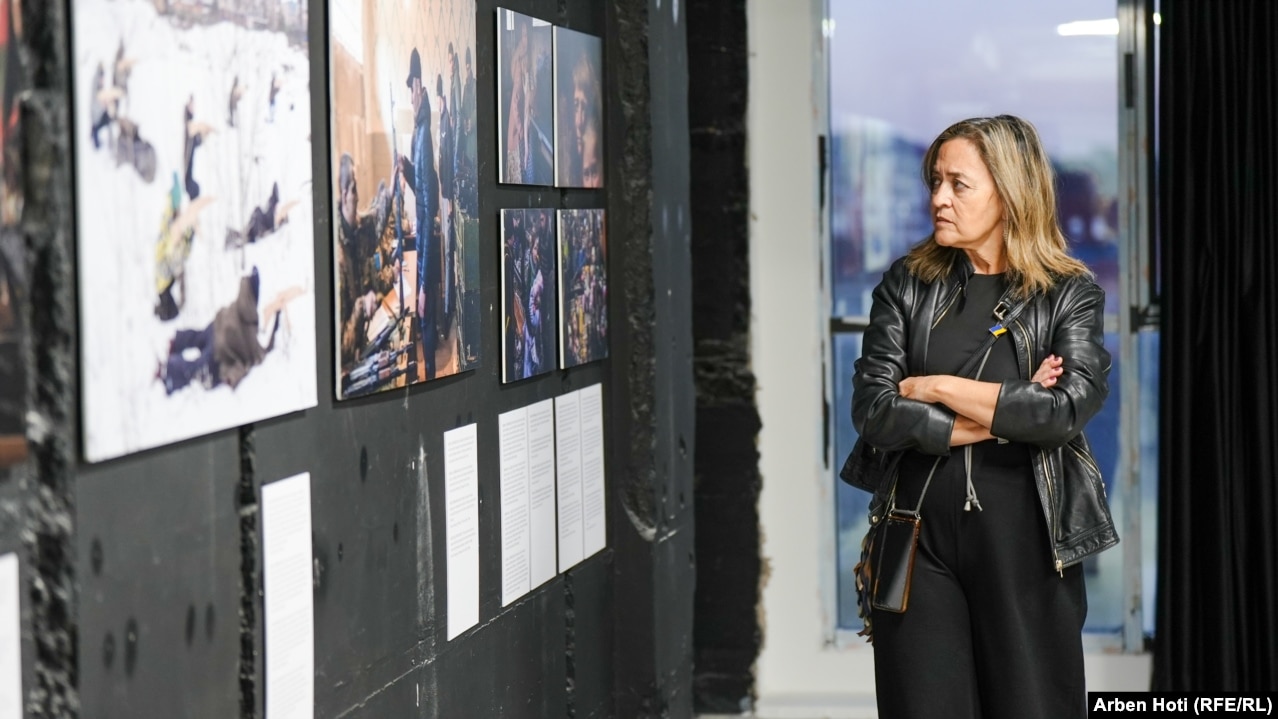
Kosovo has solidified with Ukraine shortly after the invasion began. The state has followed the example of the European Union and the United States, placing dozens of sanctions on Russia, as well as sheltering Ukrainian journalists in Kosovo.
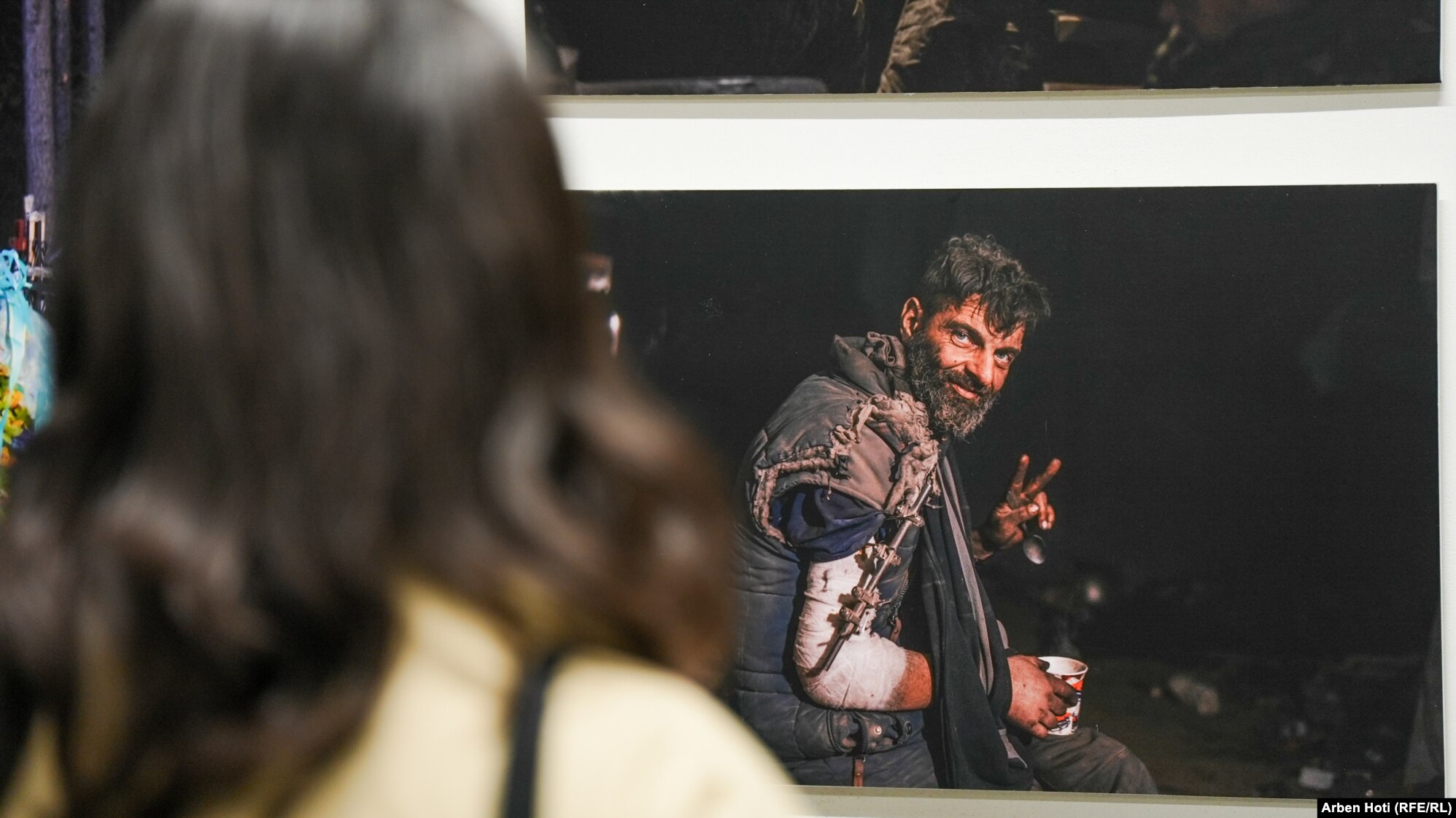
One of them is Lyudmila Makey, who participated in the exhibition. She tells Radio Free Europe that she feels grateful for all the support that is given to her homeland.
When I look at these pictures, I worry too much. I remember the first day of the invasion. It was the worst day of my life”, she says.
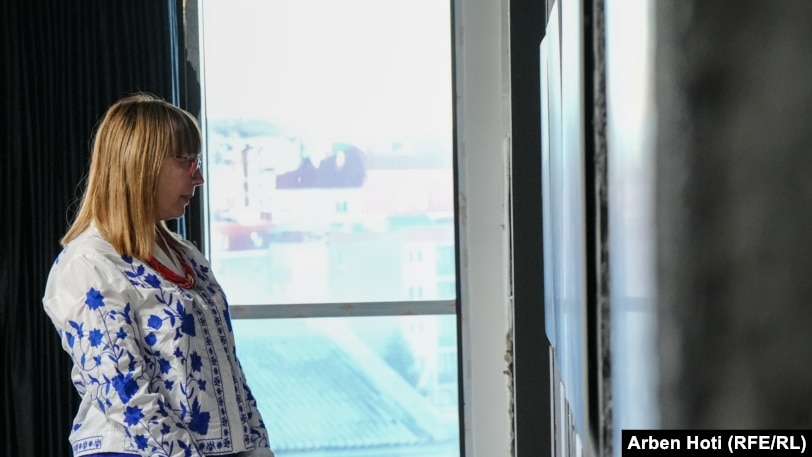
Makey reports that her daughter, who had stayed in Germany after the start of the war, has already returned to Ukraine and is living in Kiev.
Every day it says to me: Every day it stays from two to three hours in the basement because of the promotions and bombings. My dream is for this war to end as soon as possible. This is my dream. We must win. We must win victory, this is important”, she says.
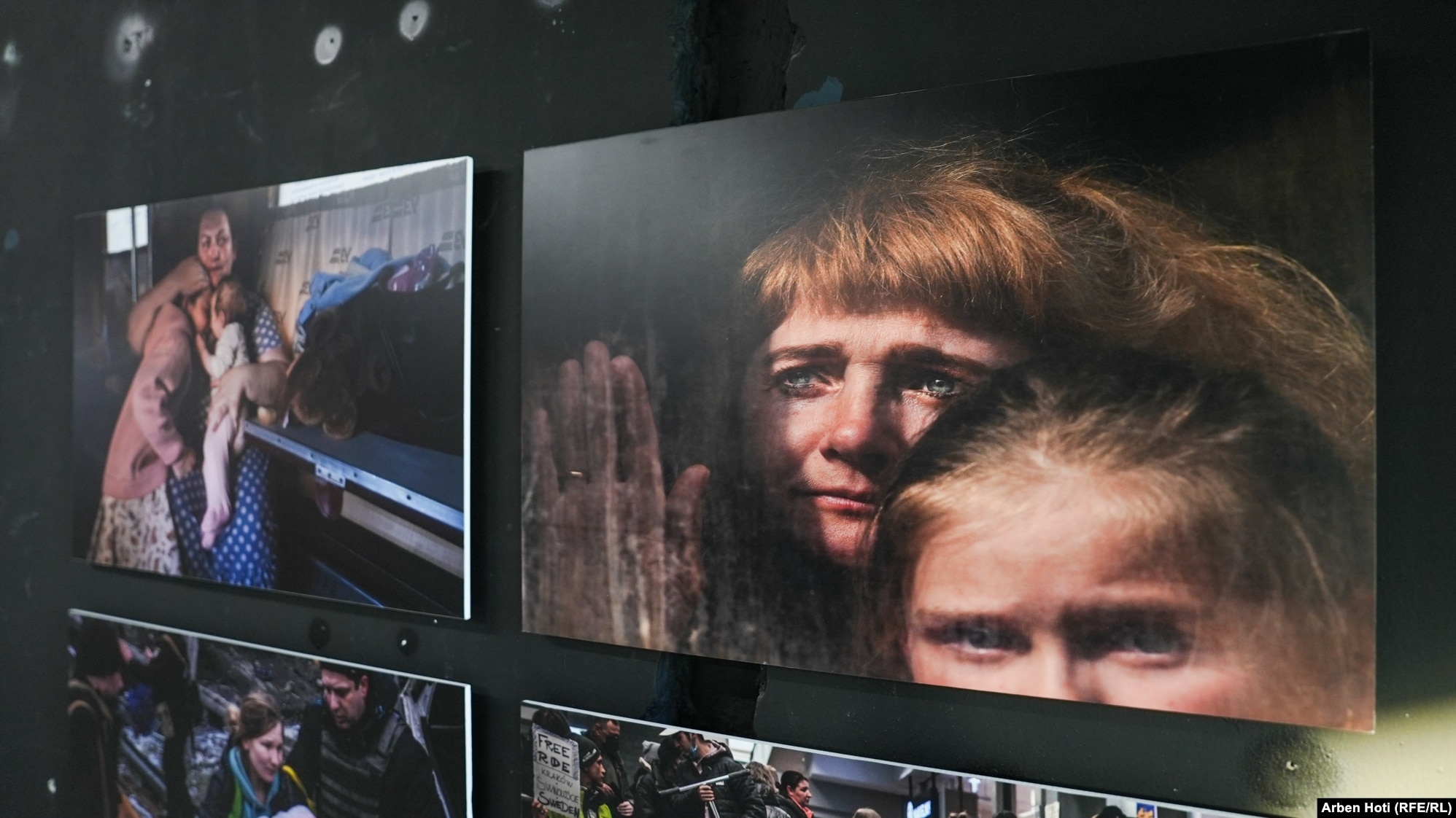
Even photographer Hoffman points to the resistance of the Ukrainian people and says that anyone who knows them expresses his conviction that war will be won by them. However, he says that because of the long time, people have also grown tired of not knowing how long the war will last.
It's very difficult without the future. But Ukrainians are being held”, he says, adding that the Ukrainian people's determination to resist the invasion of it is inspiring.
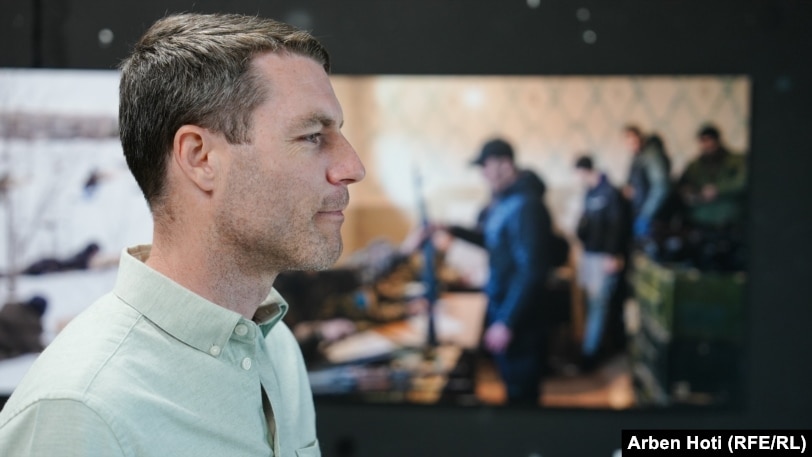
“Ukrainian exhibition: A war crime” in Pristina will be open until May 17th. This exhibition has only been shown in Tirana, and the next stops will be in Skopje, Belgrade and Sofia.
The ongoing war in Ukraine has left hundreds of thousands of people dead, millions more have been forced to leave the state, while also causing major damage to infrastructure.
Before launching Ukraine's full-scale invasion, Russia in 2013 illegally annexed the Ukrainian Crimean Peninsula and supported separatists in eastern Ukraine's regions in their fight against Ukrainian forces.