6 minutes ago
Why are the European Parliament elections important?
Periskopi(2 years ago)
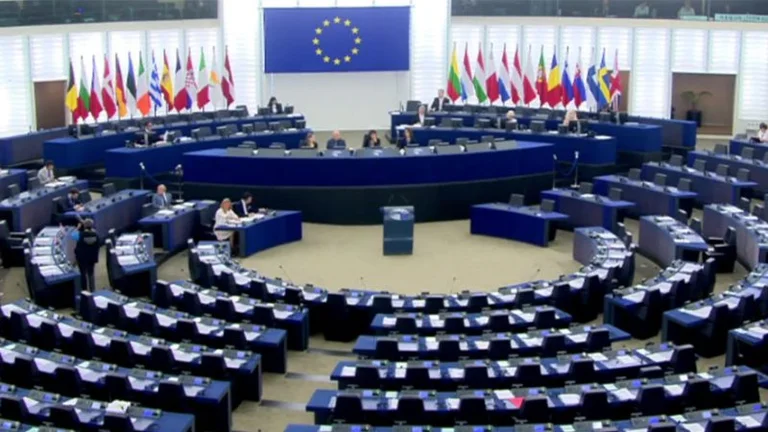
(2 years ago)Citizens of the European Union will vote from June 6th to 9th to elect 720 new members of the European Parliament for the next five years, and Reuters recalls that the EP is one of the three main European Union institutions leading the 27-nation bloc. The European Parliament, along with the governments of [...]
Citizens The European Union will vote from June 6th to 9th to elect 720 new members of the European Parliament for the next five years, and Reuters recalls that the EP is one of the three main European Union institutions leading the 27-nation bloc.
The European Parliament, together with EU governments, decides on laws related to common European policies and the EU market of nearly 450 million people.
The outcome of these elections will also affect the appointment of the next European Commission president, who is the bloc's executive branch and has the only power to propose new EU laws.
While there is still no formal requirement for such a thing, the winning political election group will have stronger arguments that the next chairman of the Commission should come from its ranks.
The upcoming European Parliament will decide together with EU governments on the future EU budget for 2028/2034.
The budget of the future long-term mandate could be increased, and of course it would have to change in terms of spending priorities, to take into account the possible expansion of the EU to include Ukraine, Moldova and Western Balkan countries.
EU officials and governments say the bloc must change its domestic agricultural policy and the way it supports its members to equalise living standards throughout the bloc before accepting other countries, especially the major ones like Ukraine.
Many also say the EU should also change the way it makes decisions, reducing the need for unanimity if more countries are joined.
If these reforms are proposed in the next five years, then parliament will have a crucial role in changing them.