4 minutes ago
EP approves visa lifting for Kosovo citizens who have Serbia's passports
Periskopi(2 years ago)
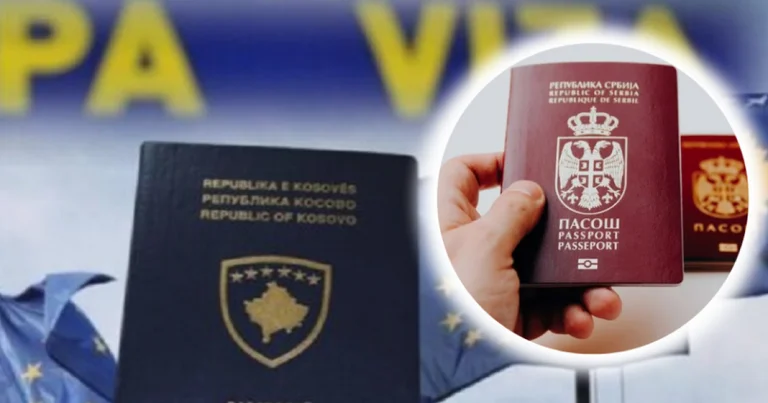
(2 years ago)The European Parliament on Tuesday has approved the decision to liberalise visas for Serbian passport bearers living in Kosovo, who are equipped with documents from the Co-ordination Directorate in Belgrade. Equipers of these passports were not involved in visa liberalisation at the time when the European Union lifted visas for citizens of Serbia. From [...]
The European Parliament on Tuesday has approved the decision to liberalise visas for Serbian passport bearers living in Kosovo, who are equipped with documents from the Co-ordination Directorate in Belgrade.
Equipers of these passports were not involved in visa liberalisation at the time when the European Union lifted visas for citizens of Serbia.
From Pristina Airport it is not possible to travel by passport issued by Serbia's MPB Co-ordination Directorate in Belgrade for citizens of Kosovo, because Kosovo authorities consider it illegal. However, owners of these passports can travel from any country in the region.
The European Commission in November last year, when it recommended lifting visas even for carriers of these passports, as a rationale, gave the goal of all citizens of the Western Balkan region enjoying visa liberalisation, regardless of what passports they possess. This European Commission proposal came as it was clear that on January 1st Kosovo citizens will be able to travel visa-free to Schengen countries.
Tuesday's decision was adopted at the European Parliament's plenary session with 406 votes for 97 against and 94 abstentions.
This vote in the European Parliament is the last step in this EU institution towards the decision to abolish visas for carriers of these passports. The report, which was voted into the plenary session on Tuesday, has been compiled by the MP from Slovenia, Matjazh Nemec.
He has said that his report does not intend to resolve any political issue or disagreement between Kosovo and Serbia, but, as he put it, a practical and technical problem to ensure free movement and ensure equal treatment.
He, even, said this problem was created by the EU itself in 2009 when visas were removed for Serbia, but not for the carriers of these passports, and now the EU has to improve this mistake. Nemec stressed in his speech that this decision, proposed by the European Commission, has also been supported by the EU Foreign Action Service and has Council reconciliation.
The Kosovo government had criticised and rejected the proposal for including these passports in visa liberalisation, calling it a “violation of Kosovo's territorial integrity”. Moreover, the Government of Kosovo had argued that with such a decision, the EU would negatively influence the process Integration of Kosovo Serbs.
According to the Government of Kosovo, the argument that Kosovo Serbs are not involved in liberalisation does not stand, as if all other Kosovo citizens could be equipped with Kosovo biometric passports with hasty procedures and with those passports can travel without visas to European countries.
For the Government of Kosovo, the problem is also the fact that in passports that release Serbia's Co-ordination Directorate in Belgrade, dwellings on Kosovo territory are written as if they were in Serbia, which is contrary to agreements reached in dialogue to eliminate Serbia's parallel structures.
But Kosovo's arguments were not taken into account by European Union institutions, neither the European Commission, the European Parliament, nor the Council.
After today's vote at the plenary session of the European Parliament, it is only for the EU Council to formalise the decision and enter into force.
Just because the plenary sessions this week are the last in this composition of the European Parliament, there was also time pressure for the vote to be closed in this session, because after this week the European Parliament will be dissolved, while the founding session of the new composition will be in July, following European elections.
Had it not been voted this week, everything would have been delayed for the end of this year. Now the formalities in the Council remain to be completed so that the decision can come into effect. /Radio Free Europe