7 minutes ago
Former spokeswoman NATO: EU quickly removes Kosovo measures
Periskopi(2 years ago)
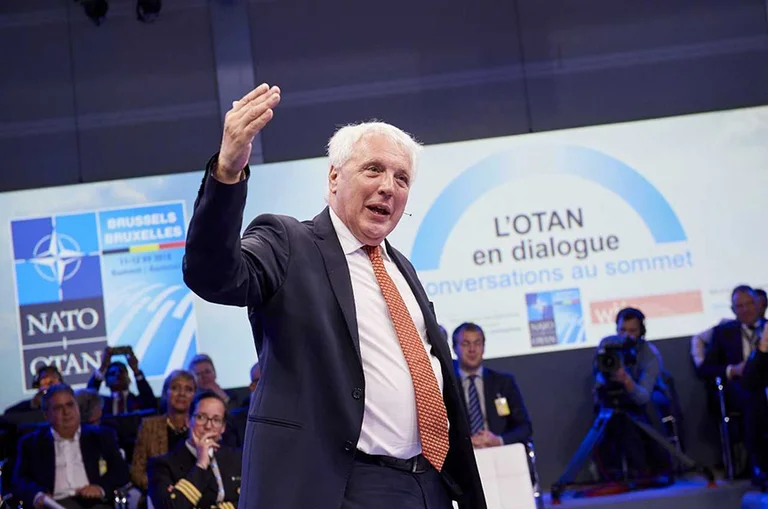
(2 years ago)On the eve of 25th anniversary of NATO's attacks on former Yugoslavia, former spokeswoman NATO, during the war in Kosovo, Jamie Shea said it was the right decision to shell Serbian forces in 1999, while now considers the situation in Europe very dangerous. Meanwhile, Shea said the EU must lift measures on Kosovo [...]
On the eve of 25th anniversary of NATO's attacks on former Yugoslavia, former spokeswoman NATO, during the war in Kosovo, Jamie Shea said it was the right decision to shell Serbian forces in 1999, while now considers the situation in Europe very dangerous. Meanwhile, Shea said the EU must remove measures on Kosovo, while Kosovo's NATO membership must happen sooner.
According to him, the massacre in Rajcak marked the turning point in its brutality and the Milosevic regime had rejected the peace of compromise. He in an interview for RTKlive says the people of Kosovo over 25 years have been able to live in peace and security shows that NATO intervention succeeded. In this interview he speaks of denying the crimes Serbia committed against the people of Kosovo.
It is the responsibility of each state to reconcile with its history, both bad and good. Thus, trying to cover hard facts with denials, distortions, and consummation is an abdicate of political responsibility at a time when so many other countries in Europe have publicly accepted the dark side of their history, regardless of whether it concerns slave trade, the deportation of Jews”, he said.
For the possibility of Kosovo being part of NATO, in the near future, Shea says the process may seem slow, but must quickly resolve the issue of recognition of Kosovo by any ally and then things will go much faster. He said Kosovo should imitate the Baltic states for NATO membership. He also talked about the defence budget. NATO's “Synnisation is to spend 2% of GDP on defence, and that would be a good goal to walk even Kosovo”, he stressed.
Shea said the EU must urgently lift the sanctions it imposed on Kosovo due to the situation in the country's north.
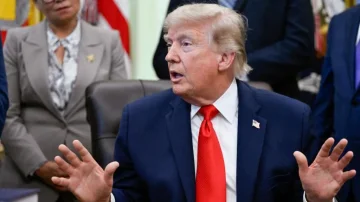
As for the effect that the US elections will be held on dialogue between Kosovo and Serbia may have, Shea said that predictions are always dangerous, but do not believe that US and European elections this year will change the approach to dialogue. When he was at the White House last time, Donald Trump worked for normalising relations between Kosovo and Serbia and even invited the two presidents to a summit in Washington. However, the US and Europe should be committed to Serbia when it comes to controlling paramilitary forces' activities on its territory and preventing intervention in northern Kosovo. Being reasonable with Belgrade and offering carrots only makes sense if Belgrade shows a more conciliatory approach”, Shea said.
Full interview provided for RTKlive:
RTKlive: This year are 25 years from NATO intervention in the former Yugoslavia, which banned ethnic cleansing in Kosovo. How do you describe that decision?
Shea: It was the right decision back then and I believe it was acquitted of history. In the first weeks of 1999, Serbian pressure on Kosovo's civilian population was becoming worse. The massacre in Rajcak marked a turning point in its brutality, and the Milosevic regime had rejected the peace of compromise that had been negotiated between Belgrade and the Kosovo delegation in Rambouje and Paris. Thus, NATO had given diplomatic options to any opportunities to work but clearly could not stay apart as violence and humanitarian crisis intensified in Kosovo. So it launched an air campaign against the Milosevic regime and its forces responsible for human rights violations at the end of March. The fact that refugees and displaced Kosovars could later return to their homes and that the people of Kosovo over the past 25 years have been able to live in peace and security (even though far from perfect) shows that NATO intervention succeeded and justified.
RTKlive: How do you describe the consensus for NATO intervention in 1999?
Shea: On the eve of air campaign, Secretary General NATO gathered ambassadors of 19 alliance member states into his office and asked two questions. Was he authorized to launch the air campaign and each of the allies was sure that it was necessary and had a solid legal basis in international humanitarian law. All asked the same questions without exception. So NATO acted on the basis of a full consensus and that solidarity continued until the end of the air campaign and the freedom of the Kosovo people.
RTKlive: Although 25 years have passed, Serbia still refuses to accept the crimes committed by former Milosevic's regime, what does this mean for an aspiring EU country?
Shea: It's every country's responsibility to reconcile with its history, both bad and good. This is even more necessary when evidence for war crimes is overwhelming and well documented beyond scientific or legal doubt. Serbian leaders, like Milosevic, were indicted by the UN International Court on numerous counts of war crimes, including genocide. Thus, trying to cover hard facts with denials, distorts and constipation is an obligation to political responsibility at a time when so many other countries in Europe have publicly accepted the dark side of their history, whether it concerns slave trade, the deportation of Jews in World War II or the use of torture in the Algeria War. Countries turning their history into myths are often unreliable partners, as Putin's Russia has shown in recent decades. Stability in the Western Balkans also needs countries to render an honest and full account for the past and to leave the job to professional historians rather than politicians or media. So I can only hope that Serbia will follow the good example of many other European countries. To be European means to be honest about the past so that you can build a better future instead of endlessly reproduce old historical hostilities.
RTKlive: Kosovo has achieved successes in many areas, including the Defence Forces, can we be optimistic that in a not too distant future it will be part of NATO?
Shea: Yes, I think we can be optimistic, even though the process often seems slow. But the main thing is to have a clear sense of direction and stick to it, progressively building support among NATO allies. As the examples of Ukraine and Georgia show, NATO cannot close its doors indefinitely for European democracies that share its values and are willing to contribute to collective defence. But we must quickly resolve the issue of recognition of Kosovo by any ally. Then things will go much faster.
RTKlive: The EU has projected that in 2030 Western Balkan countries are part of the European Union, how possible is this?
Shea: This was the hope of EU Council President Charles Michel, more than an official EU collective target date. But opening membership negotiations with Ukraine and Moldova, as well as Albania and Northern Macedonia, means that the EU must prepare within the country for another major round of enlargement. The EU has just launched a new Stability and Growth Pact for the Western Balkans with many additional investments and infrastructure financing. This new dynamic will certainly help Kosovo achieve the EU process, and visa liberalisation has been a long-delayed first step. But even the EU must urgently lift the sanctions it has imposed on Pristina due to the situation in the country's north. Personally, I think future EU enlargement will come a little later than 2030, but the main thing is to have a more stable moment and serious commitment on both sides.
RTKlive: New circumstances with the war in Ukraine have led to a new approach to security, should we increase the budget for the military?
Shea: NATO's goal is to spend 2% of GDP on defence, and that would be a good goal to keep Kosovo going. The situation in Europe has become more dangerous in recent years. Russia has invaded Ukraine and launched a brutal war there, but has also invaded Georgia, has refused to remove its troops from Moldova and has deployed Russian troops and nuclear weapons in Belarus. In the Western Balkans, it has sown instability by interfering in elections, carrying out cyber attacks and disinforming campaigns and sending weapons to Serbia and the Serbian entity in Bosnia. Thus, vigilance, endurance, and increased readiness of defence forces is a prudent policy.
RTKlive: The agreement between Kosovo and Serbia seems distant, how much effect can elections be held in both the US and the European Union?
Shea: The forecasts are always dangerous, but I don't believe the US and European elections this year will significantly change access to the Pristina-Belgrade dialogue. When he was at the White House the last time, Donald Trump worked for normalising relations between Kosovo and Serbia and even invited the two presidents to a summit in Washington. The dialogue is also addressed by the EU, which makes it less sensitive to changes in national elections within Europe. The prospect of EU enlargement also makes it more urgent to resolve the issue of Kosovo's recognition and pressure Belgrade to adopt a more flexible and real position. However, the US and Europe should be committed to Serbia when it comes to controlling paramilitary forces' activities on its territory and preventing intervention in northern Kosovo. Being reasonable with Belgrade and offering carrots only makes sense if Belgrade shows a more conciliatory approach. So, the international community should also be between Pristina and Belgrade.
RTKlive: Expanding NATO in the Baltic countries, is it a signal that other countries have expressed their will to be part of NATO?
Shea: Three Baltic states joined NATO 20 years ago in 2004. Since then they have overcome a story of foreign invasion and depression and have developed into secure, prosperous and independent states integrated into the EU as well. So I think this is really a good precedent for Kosovo to imitate. NATO's door remains open for Kosovo, and the example of Baltic State shows that NATO is the best security solution for countries that through history and geography are forced to live neighbours with difficult neighbours.
RTKlive: How do you feel about Serbia's policies regarding developments in the region, including its co-operation with Vladimir Putin's Russia?
Shea: An aspiring EU member state must embrace European values. He cannot be in a democracy camp and in the camp of aggressive authoritarian states at the same time, trying to play one against the other. Opinion polls show that most Serbs, particularly the younger generation, want their country to be part of Europe. They have demonstrated in a large number against corruption, gun violence and election manipulation and have sought a better quality of governance and democracy. It is now up to Serbia's political leadership to show courage and make the country reflect the European aspirations of most of the population.